

How to Maintain Your Auto Clean Chimney Effectively
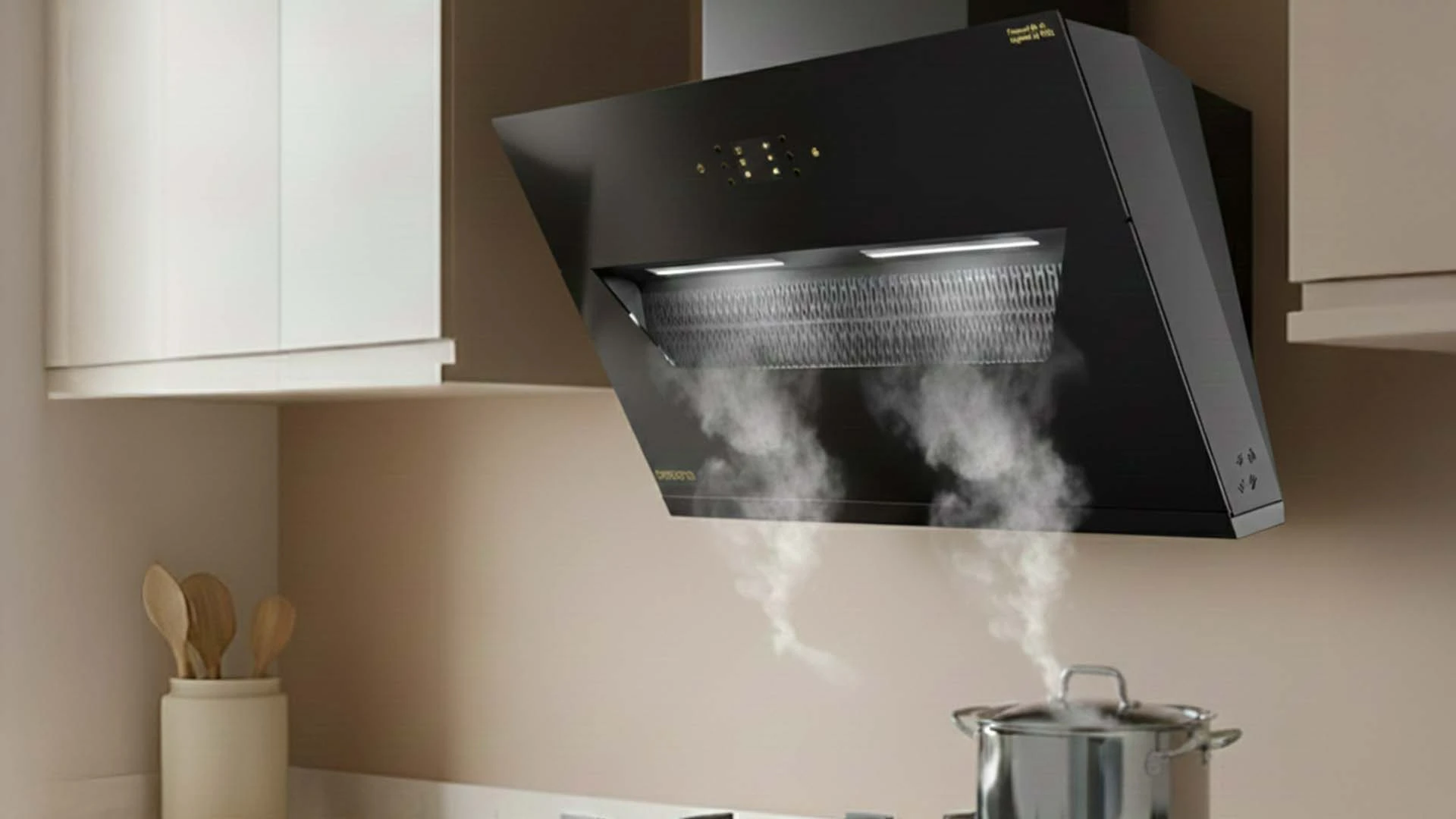
Modern kitchens demand efficient ventilation solutions, and auto clean chimneys have revolutionized how we maintain clean cooking environments. These advanced appliances combine powerful suction with automated cleaning technology, making kitchen maintenance simpler than ever. Understanding proper auto clean chimney maintenance ensures your investment continues delivering optimal performance while extending its operational lifespan. Whether you're using a sleek T-shaped design or a compact ductless model, following the right maintenance practices keeps your kitchen smoke-free and your appliance running smoothly for years to come.
Auto clean chimneys feature sophisticated technology that sets them apart from traditional models. The system uses heat elements and specialized mechanisms to break down oil and grease deposits automatically, reducing manual cleaning frequency significantly. The core components requiring attention include baffle filters, exhaust fans, heat elements, and control circuits. Unlike conventional chimneys that rely solely on manual filter cleaning, auto clean models perform self-maintenance cycles that burn off accumulated residue. This automatic chimney cleaner function operates at high temperatures, converting grease into easily removable ash.
Baffle filters capture larger grease particles before they reach internal components. The auto clean mechanism targets these filters specifically, ensuring consistent airflow and suction power. Heat elements activate during cleaning cycles, reaching temperatures that effectively break down stubborn deposits. Control panels manage the entire process, from regular operation to automated cleaning sequences. Understanding these components helps identify when professional chimney service becomes necessary versus routine maintenance you can handle yourself.
Watch for reduced suction power, unusual noises, or incomplete cleaning cycles. These signs often indicate maintenance needs before major issues develop. Regular monitoring prevents costly repairs and ensures consistent performance.
Proper operation of the auto clean feature maximizes its effectiveness while preventing damage to internal components. The process requires specific steps and timing to achieve optimal results. Before activating auto clean mode, ensure adequate ventilation in your kitchen. Remove any flammable materials from the cooking area and verify that all burners are turned off. The cleaning process generates heat and may produce temporary odors as accumulated grease burns away.
Press and hold the auto clean button for 3-5 seconds until the indicator light activates. The system will begin its 12-minute cleaning cycle automatically. During this period, avoid opening windows or creating air currents that might interfere with the process. The chimney cleaning cycle operates at predetermined intervals, typically requiring 10-15 minutes for complete execution. Allow the system to cool completely before resuming normal cooking activities.
After each auto clean cycle, inspect the baffle filters for any remaining residue. While the automated process handles most cleaning tasks, occasional manual touch-ups ensure thorough maintenance. Check that all components return to normal operating positions and temperatures.
Despite automated cleaning capabilities, manual maintenance remains crucial for optimal performance. Regular attention to specific components prevents buildup that even auto clean functions cannot address completely. Monthly filter inspection should become routine practice. Remove baffle filters carefully and examine them for excessive grease accumulation or damage. Clean filters maintain proper airflow and prevent strain on the motor system.
Wash baffle filters in warm, soapy water using a soft brush to remove stubborn deposits. Avoid harsh chemicals that might damage filter coatings or compromise their effectiveness. Rinse thoroughly and allow complete drying before reinstallation. For models like the innovative PlugnPlay Cube Chimney, the active carbon filter lasts 4 years with proper maintenance. This extended filter life reduces replacement costs while maintaining consistent performance throughout its warranty period.
Clean exterior surfaces weekly using appropriate degreasers and soft cloths. Pay special attention to control panels, ensuring buttons remain responsive and displays stay clear. Regular exterior maintenance preserves the appliance's appearance and prevents buildup that might affect operation.
Inspect fan blades quarterly for accumulated debris or damage. Clean accessible areas gently, avoiding excessive moisture near electrical components. Proper fan maintenance ensures consistent suction power and reduces operational noise levels.
While auto clean technology reduces maintenance frequency, professional chimney inspection remains essential for comprehensive care. Trained technicians identify issues that routine maintenance might miss and ensure all safety systems function correctly. Schedule annual professional inspections regardless of apparent performance levels. These comprehensive evaluations examine internal components, electrical systems, and safety mechanisms that require specialized knowledge and equipment.
Contact qualified technicians when auto clean functions malfunction, unusual noises persist, or suction power decreases significantly despite regular maintenance. Complex technology sometimes requires professional diagnosis and chimney repair services. Electrical issues, motor problems, or control system malfunctions demand immediate professional attention. Attempting repairs without proper expertise might void warranties or create safety hazards.
Select certified technicians familiar with auto clean technology and your specific model. Verify credentials and warranty coverage before scheduling services. Quality service providers offer transparent pricing and detailed maintenance reports.
Understanding common problems and their solutions helps maintain optimal performance between professional services. Many issues have simple causes that proper maintenance practices can prevent or resolve. Reduced suction power often results from clogged filters or blocked exhaust paths. Regular soot removal and filter cleaning typically restore normal operation. Check for external obstructions that might impede airflow.
If auto clean cycles fail to activate or complete properly, verify power connections and control settings. Reset the system according to manufacturer instructions before seeking professional assistance. Incomplete cleaning cycles might indicate component wear or electrical issues requiring professional evaluation. Document any error codes or unusual behaviors to assist technicians with diagnosis.
Excessive operational noise often signals fan blade problems or motor strain. Regular maintenance prevents most noise issues, but persistent problems require professional attention to prevent further damage.
Establishing consistent maintenance routines maximizes auto clean chimney performance and longevity. Create a schedule that balances automated features with necessary manual tasks. Daily practices include wiping exterior surfaces and checking for obvious issues. Weekly routines should include auto clean cycle activation and basic filter inspection. Monthly tasks involve thorough filter cleaning and detailed component examination.
Perform comprehensive cleaning quarterly, addressing areas that routine maintenance might miss. This includes detailed exterior cleaning, thorough filter washing, and complete system inspection. Seasonal maintenance also provides opportunities to update maintenance logs and schedule professional services as needed. Consistent documentation supports warranty claims and helps track performance trends.
Proper maintenance reduces long-term costs by preventing major repairs and extending component life. Invest in quality cleaning supplies and follow manufacturer guidelines to maximize your investment's value.
Auto clean chimneys have higher initial costs compared to traditional models and feature complex technology that may be more prone to malfunctions than simpler baffle filter systems. However, proper auto clean chimney maintenance minimizes these concerns and provides long-term value through reduced manual cleaning requirements.
Turn on the power button, press and hold the auto clean button for 3-5 seconds, then let the chimney auto-clean for 12 minutes. Ensure proper ventilation during the process and avoid creating air currents that might interfere with the cleaning cycle.
Regular maintenance includes monthly filter cleaning, weekly auto clean cycle activation, quarterly professional inspections, and annual comprehensive service. Daily exterior wiping and routine performance monitoring also contribute to optimal operation.
Auto clean chimneys offer consistent performance through automated cleaning and require less frequent manual intervention, making them ideal for busy households despite higher initial costs. The automated chimney cleaning process provides more thorough maintenance than most manual cleaning attempts.
Use the auto clean function weekly, clean filters monthly, and schedule professional inspection annually for optimal performance. Daily exterior maintenance and routine monitoring help identify issues before they become serious problems.
Yes, you can clean accumulated oil using the auto clean function, manual filter cleaning with warm soapy water, and gentle exterior cleaning with appropriate degreasers. However, excessive buildup or persistent issues may require professional soot removal services.
Effective auto clean chimney maintenance combines automated technology with consistent manual care. Understanding your appliance's capabilities and limitations ensures optimal performance while preventing costly repairs. Regular maintenance schedules, proper operation techniques, and timely professional services maximize your investment's value and extend its operational life. Whether you choose a traditional T-shaped design or an innovative ductless model like the PlugnPlay Cube Chimney, following these maintenance practices keeps your kitchen environment clean and your appliance functioning efficiently for years to come.
