

How to Install Cooktop Support Like a Pro
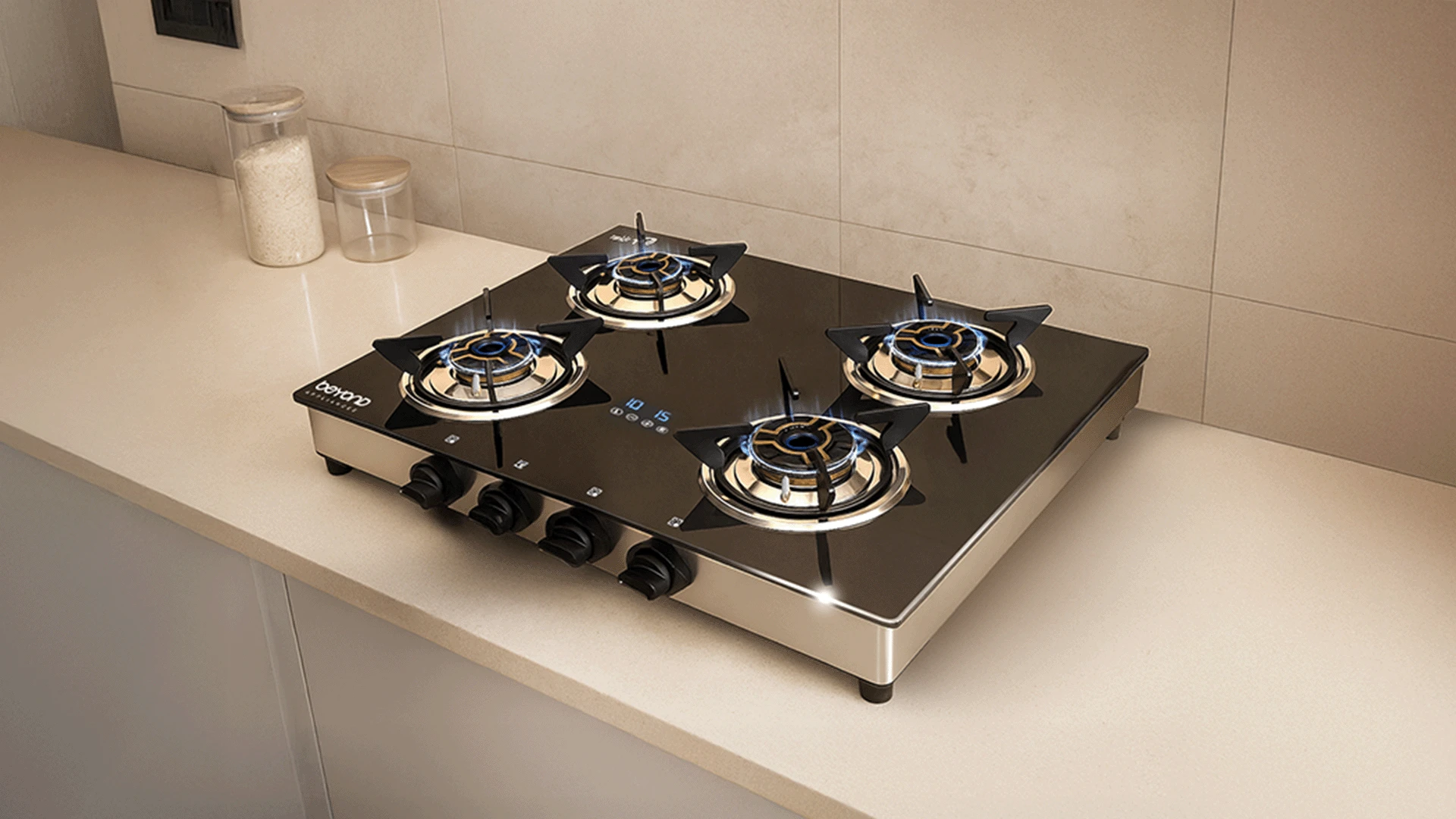
Installing a cooktop requires careful attention to structural support and safety regulations. Proper cooktop under-counter support rules ensure your kitchen appliance operates safely while maintaining the integrity of your countertop and cabinetry. Whether you're upgrading your kitchen with a new gas stove or installing a modern cooktop, understanding the essential support requirements protects your investment and keeps your family safe.
Proper cooktop installation begins with understanding the fundamental support requirements that govern safe appliance mounting. These rules exist to prevent structural damage, ensure user safety, and maintain compliance with building standards.
Most local building codes require specific clearances and support structures for cooktop installation. Gas stoves typically need additional ventilation considerations compared to electric models. Always check with your local building authority before beginning installation, as requirements vary by region and appliance type.
Cooktops can weigh between 15-50 kg depending on size and features. Your countertop material affects support requirements significantly. Granite and quartz surfaces distribute weight differently than laminate or wood. Calculate the total load including the appliance weight plus any cookware during use.
Maintain minimum 5cm clearance on all sides of your cooktop. Gas models require additional space for proper air circulation. Heat-sensitive materials like certain plastics or woods need extra protection through proper spacing and heat shields.
Choosing the right support system depends on your cooktop type, cabinet structure, and countertop material. Different mounting approaches offer varying levels of stability and ease of installation.
Metal brackets provide the most reliable support for heavy cooktops. Adjustable systems accommodate different cabinet depths and cooktop sizes. Look for brackets rated for at least 1.5 times your cooktop's weight to ensure adequate safety margin.
Wooden frames work well for lighter electric cooktops but may require reinforcement for gas models. Steel frameworks offer superior strength and heat resistance. Hybrid systems combine wood and metal components for optimal cost-effectiveness and performance.
Use only manufacturer-approved clamps and fasteners designed for your specific cooktop model. Anti-vibration components reduce noise and prevent loosening over time. Heat-resistant materials prevent degradation from cooking temperatures.
Careful planning prevents costly mistakes and ensures your cooktop installation meets all safety requirements. Accurate measurements and proper preparation streamline the installation process.
Examine your cabinet structure for adequate strength to support the cooktop weight. Check for any countertop overhang limitations that might affect support placement. Identify the location of electrical, gas, and water lines to avoid conflicts during installation.
Measure the cutout dimensions precisely according to manufacturer specifications. Allow for thermal expansion by adding 2-3mm to each side. Verify that your chosen location provides adequate clearance from walls, cabinets, and other appliances.
Gather essential tools including a jigsaw, drill, level, measuring tape, and safety equipment. Purchase all necessary hardware including brackets, screws, and mounting clips. Have a helper available as cooktops can be awkward to handle alone.
Following proper installation procedures ensures your cooktop operates safely and efficiently. Take time with each step to avoid mistakes that could compromise safety or performance.
Turn off power and gas supplies before beginning work. Remove any existing appliances and clean the installation area thoroughly. Mark the cutout location carefully using the manufacturer's template.
Position support brackets according to the manufacturer's specifications. Ensure brackets are level and securely fastened to cabinet structure. Test the framework by applying gentle pressure before proceeding with cooktop installation.
Lower the cooktop carefully into the prepared opening. Connect gas or electrical supplies according to local codes and manufacturer instructions. Secure the cooktop using provided mounting clips, ensuring even pressure distribution.
Proper maintenance extends your cooktop's lifespan while ensuring continued safe operation. Regular inspections help identify potential issues before they become serious problems.
Test all burners or heating elements to ensure proper operation. Check for gas leaks using soapy water solution if applicable. Verify that all safety features function correctly before regular use.
Inspect support brackets annually for signs of wear or loosening. Clean around the cooktop regularly to prevent grease buildup that could affect ventilation. Schedule professional maintenance for gas connections every few years.
Vibration during operation often indicates loose mounting hardware. Uneven heating may suggest improper installation or damaged components. Contact a qualified technician if you notice any unusual sounds, smells, or performance issues.
Deciding between professional installation and DIY depends on your skill level, local regulations, and the complexity of your specific installation. Consider all factors carefully before proceeding.
Gas line connections require licensed professionals in most areas. Complex electrical work should be handled by qualified electricians. If your installation requires structural modifications, consult with professionals to ensure safety and code compliance.
DIY installation works well for simple electric cooktop replacements in existing cutouts. Ensure you have adequate skills and tools before attempting installation. Follow all manufacturer instructions precisely and don't skip safety steps.
Improper installation may void manufacturer warranties. Check your home insurance policy regarding DIY appliance installation. Professional installation often includes guarantees on workmanship and may be required for warranty coverage.
Electric cooktops typically require support brackets rated for 25-35 kg, while gas models may need 40-50 kg capacity. Always check manufacturer specifications for your specific model.
Most building codes allow 15-20cm overhang without additional support for standard countertop materials. Longer overhangs require brackets or corbels for proper support.
Yes, existing cabinets can usually accommodate cooktop support with minor modifications. Ensure cabinet structure is sound and can handle the additional weight.
Gas cooktops often weigh more and require additional clearance for ventilation. Electric models may need special electrical considerations but typically have simpler support requirements.
Yes, most areas have specific codes governing clearances, ventilation, and electrical/gas connections. Check with local building authorities for current requirements in your area.
Proper cooktop installation requires careful attention to support requirements, safety regulations, and manufacturer specifications. Understanding cooktop under-counter support rules ensures your installation meets building codes while providing years of safe operation. Whether you choose professional installation or tackle the project yourself, following proper procedures protects your investment and keeps your kitchen safe. Remember that gas connections typically require professional installation, while electric models offer more DIY-friendly options for experienced homeowners.
