

How to Identify High-Quality Cooktop Glass Today
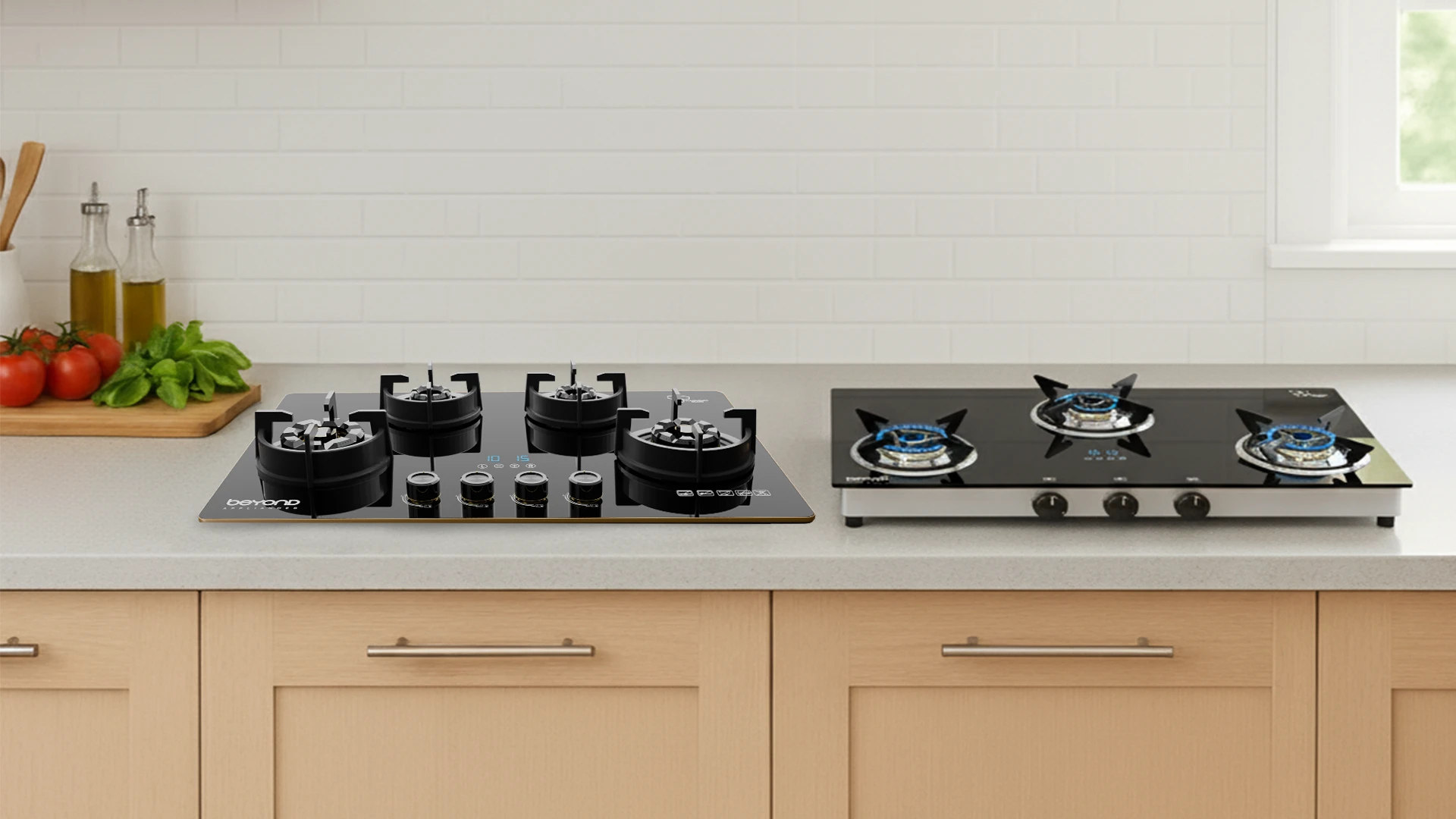
Choosing the right cooktop glass can make or break your kitchen experience. With so many options flooding the market, knowing how to identify high-quality cooktop glass becomes crucial for any homeowner. Quality glass surfaces not only enhance your cooking experience but also ensure safety and durability for years to come. The difference between premium and substandard glass can mean the difference between a smooth cooking surface that lasts decades and one that chips, scratches, or cracks within months. Understanding the key markers of superior cooktop glass will help you make an informed decision that protects your investment and elevates your kitchen's functionality.
High-quality cooktop glass displays several distinct characteristics that set it apart from inferior alternatives. The most reliable indicator of cooktop glass quality lies in its thickness uniformity, with premium surfaces maintaining a minimum 4mm thickness throughout the entire cooking area.
Premium cooktop glass maintains consistent thickness across the entire surface. Quality manufacturers ensure uniform distribution without thin spots that could become weak points. You can identify this by running your hand along the edges and checking for any variations in thickness.
Tempered ceramic glass offers superior heat resistance and durability compared to standard glass options. This specialized material can withstand temperatures up to 700°C without cracking or warping. The tempering process creates internal stress patterns that make the glass significantly stronger than regular alternatives.
A smooth, flawless surface finish indicates superior manufacturing quality. Premium glass surfaces should feel completely smooth to the touch, without any rough patches, bumps, or irregularities. The finish should also resist fingerprints and water spots effectively.
Modern cooktops utilize various glass materials, each offering unique benefits and characteristics. Understanding these differences helps you identify which type best suits your cooking needs and quality expectations.
Advanced glass-ceramic materials incorporate special compounds that significantly improve scratch resistance. These surfaces can withstand daily use from pots, pans, and cooking utensils without showing wear marks. The molecular structure of these materials provides enhanced durability compared to standard glass options.
Radiant cooktop glass features heating elements beneath the surface, while induction glass accommodates magnetic coil technology. Induction glass typically offers superior heat control and energy efficiency. Both types require different manufacturing specifications to handle their respective heating methods effectively.
Quality cooktop glass must withstand rapid temperature changes without cracking. Premium materials can handle temperature differentials of up to 400°C within seconds. This thermal shock resistance prevents damage from placing cold pots on hot surfaces or sudden temperature fluctuations.
Proper glass cooktop inspection requires systematic examination of multiple quality factors. These inspection methods help you identify potential issues before making a purchase decision.
Examine the glass surface under good lighting conditions. Look for any bubbles, discoloration, or manufacturing defects within the glass material. Quality surfaces should appear completely clear and uniform without any visible imperfections or cloudiness.
Run your hand gently across the entire surface to check for smoothness. Premium glass should feel completely uniform without any rough spots or texture variations. Pay special attention to areas around heating elements where manufacturing quality often varies.
Inspect all edges for proper finishing and beveling. Quality cooktop glass features smooth, rounded edges without sharp points or rough areas. The edge treatment should be consistent around the entire perimeter, indicating careful manufacturing attention.
Evaluating cooktop glass durability requires understanding industry standards and testing methods. These assessments help determine long-term performance expectations for your investment.
Quality cooktop glass typically rates between 5-6 on the Mohs hardness scale. This rating indicates resistance to scratching from normal kitchen utensils and cookware. Higher ratings provide better protection against daily wear and tear.
Premium glass surfaces can withstand rapid temperature changes without cracking. Quality materials handle thermal shock testing that simulates extreme cooking conditions. This resistance prevents damage from placing frozen items on hot surfaces or sudden temperature fluctuations.
High-quality cooktop glass meets strict impact resistance requirements. These standards ensure the surface can withstand accidental drops of cookware or kitchen utensils without cracking or shattering. Quality glass maintains structural integrity even under significant impact stress.
Contemporary cooktop glass incorporates advanced design elements that enhance both functionality and aesthetics. These modern cooktop design features distinguish premium products from basic alternatives.
Premium glass cooktops offer seamless integration with countertop surfaces. This design approach creates a continuous, elegant appearance that enhances kitchen aesthetics. Quality installation ensures perfect alignment with surrounding surfaces.
Modern glass surfaces accommodate touch-sensitive controls without compromising durability. These compact cooktop features provide intuitive operation while maintaining the sleek appearance of the glass surface. Quality implementation ensures responsive touch sensitivity throughout the product's lifespan.
Advanced surface treatments make cleaning effortless and effective. Premium glass surfaces resist staining and allow easy removal of spills and cooking residue. These coatings maintain their effectiveness over years of regular use.
Recognizing inferior cooktop glass helps you avoid costly mistakes and safety hazards. Understanding these warning signs protects your investment and ensures optimal kitchen performance.
Poor quality glass often displays obvious manufacturing flaws including bubbles, scratches, or uneven coloring. These defects indicate inadequate quality control and suggest potential durability issues. Avoid any glass surface showing visible imperfections.
Inferior products often feature poor edge sealing that allows moisture penetration. This deficiency can lead to electrical problems and safety hazards. Quality edge sealing provides complete protection against moisture and debris infiltration.
Low-quality glass frequently shows thickness inconsistencies across the surface. These variations create weak points that may crack under thermal stress. Uniform thickness throughout the entire surface indicates superior manufacturing quality.
Scratch-resistant cooktop glass typically features a specialized ceramic-glass composition that rates 5-6 on the Mohs hardness scale. You can identify this by checking manufacturer specifications or looking for certifications indicating enhanced durability.
Premium cooktop glass maintains a minimum thickness of 4mm throughout the entire surface. This thickness provides optimal heat distribution and durability while preventing cracking under thermal stress.
Induction-compatible glass features special markings or symbols indicating magnetic compatibility. The surface may also appear slightly different in texture or finish compared to standard radiant cooktop glass.
Ceramic cooktop surfaces offer superior heat resistance and durability compared to standard glass. Ceramic materials can withstand higher temperatures and provide better thermal shock resistance for demanding cooking applications.
Premium cooktop glass can last 15-20 years with proper maintenance and care. Quality materials resist scratching, staining, and thermal damage throughout their extended lifespan.
Identifying high-quality cooktop glass requires careful attention to thickness uniformity, surface finish, and material composition. Premium glass surfaces offer superior durability, scratch resistance, and thermal shock protection that justify their investment value. Understanding the differences between various glass types and inspection techniques empowers you to make informed decisions that enhance your kitchen's functionality and safety. Remember that quality cooktop glass represents a long-term investment in your home's value and your cooking experience.
