

How to Evaluate Filterless Chimney Effectiveness
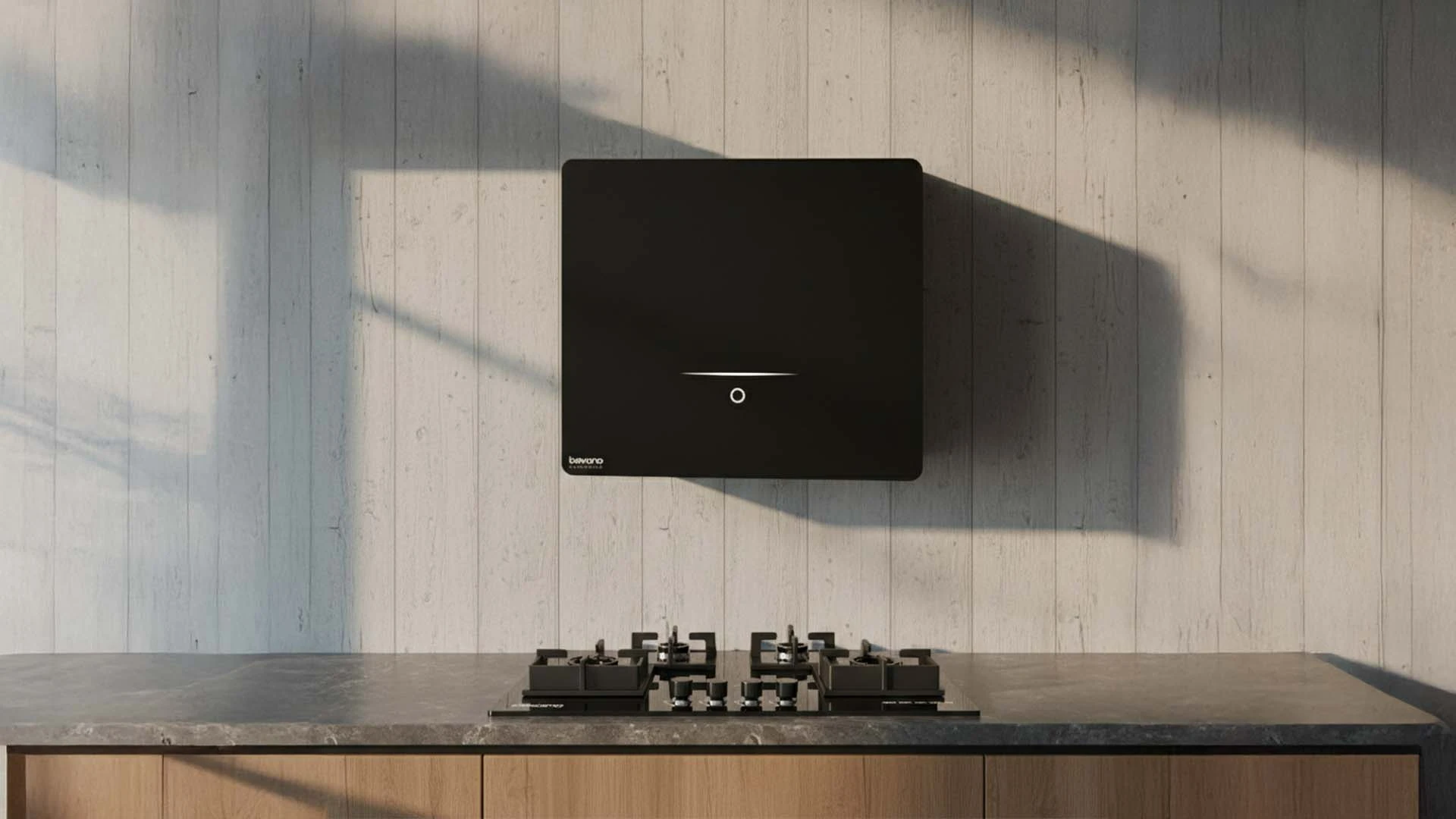
Modern kitchens demand efficient ventilation solutions that can handle the rigors of daily cooking without constant maintenance. Filterless chimneys have emerged as a popular choice for homeowners seeking powerful performance with minimal upkeep. These innovative appliances promise superior suction power and reduced maintenance compared to traditional filtered models. But are filterless chimneys effective enough to meet your kitchen's ventilation needs? Understanding their technology, performance metrics, and real-world effectiveness helps you make an informed decision for your home.
A filterless chimney operates on centrifugal force technology rather than traditional mesh or baffle filters. The system uses high-speed motor rotation to separate oil particles and grease from smoke through centrifugal action. This mechanism eliminates the need for replaceable filters while maintaining effective smoke and odor removal.
The auto clean chimney features include an oil collector chamber that captures separated grease automatically. Heat-based cleaning systems activate periodically to burn off accumulated residue. The motor assembly generates powerful suction while the centrifugal chamber handles particle separation efficiently.
Today's modern kitchen chimney designs prioritize sleek aesthetics alongside functionality. Filterless models offer streamlined profiles without bulky filter housings. The compact chimney options fit seamlessly into contemporary kitchen layouts while delivering professional-grade performance.
Evaluating chimney effectiveness requires examining multiple performance factors. Suction power, measured in cubic meters per hour (CMH), indicates the volume of air the chimney can process. Most effective filterless models deliver 1200-1500 CMH for average home kitchens.
Filterless technology provides 15-20% better suction efficiency compared to filtered alternatives. Without filter resistance, air flows more freely through the system. The absence of clogged filters maintains consistent performance over time. Proper kitchen ventilation requires matching chimney capacity to kitchen size and cooking intensity.
Centrifugal separation effectively removes oil particles from cooking smoke. The technology works particularly well with Indian cooking styles that generate heavy grease and strong odors. Regular oil collector maintenance ensures optimal separation efficiency throughout the chimney's lifespan.
Choosing between filterless and traditional filtered models depends on your specific cooking habits and maintenance preferences. Each technology offers distinct advantages for different kitchen environments.
Chimney cleaning becomes significantly easier with filterless models. Users only need to empty the oil collector every few weeks instead of cleaning or replacing filters monthly. The auto-clean feature reduces manual maintenance further by burning off accumulated grease automatically.
Indian cooking generates substantial smoke, grease, and strong spices that challenge any ventilation system. Filterless chimneys handle high-heat cooking and heavy oil usage effectively. The chimney for Indian cooking must process complex odors from masalas and spices while maintaining consistent suction power.
Initial investment in filterless technology may be higher, but ongoing costs remain lower. Filter replacement expenses accumulate significantly over time with traditional models. Energy efficiency improvements in filterless designs also reduce electricity consumption compared to older filtered systems.
While filterless chimneys offer many advantages, understanding their limitations helps set realistic expectations. These systems work best with proper installation and regular maintenance of key components.
Effectiveness depends heavily on proper ductwork installation and positioning. Ductless chimney options recirculate air but may not provide the same performance as ducted models. Professional installation ensures optimal airflow and prevents performance issues.
Oil collector maintenance remains essential despite reduced overall upkeep. Neglecting this component can lead to reduced efficiency and potential motor damage. The auto-clean feature supplements but doesn't eliminate the need for regular oil removal.
Systematic evaluation helps determine whether a filterless chimney meets your specific kitchen requirements. Consider cooking patterns, kitchen layout, and performance expectations when assessing different models.
Measure suction power using smoke tests during actual cooking sessions. Time how quickly the chimney clears visible smoke from the cooking area. Observe oil separation efficiency by monitoring the oil collector after heavy cooking sessions.
Motor power ratings indicate the chimney's capability to handle different cooking intensities. CMH ratings should match your kitchen size and cooking frequency. Auto-clean technology effectiveness varies between manufacturers, so research specific models thoroughly.
Proper height positioning ensures maximum suction efficiency without interference. Electrical requirements must match your home's power supply capacity. Safety features like thermal protection prevent motor damage during extended use.
Yes, filterless chimneys handle heavy Indian cooking effectively through centrifugal separation technology. They maintain consistent suction power without filter blockages and process high-grease cooking efficiently.
Filterless chimneys require emptying the oil collector every 2-3 weeks and periodic auto-clean cycles. No filter cleaning or replacement is needed, making maintenance simpler than traditional models.
Filterless chimneys provide 15-20% better suction efficiency and require less maintenance. Baffle filter models may handle extremely heavy commercial cooking better but need regular filter cleaning.
Some filterless models work as recirculating units without ducting, but ducted installation provides better performance. Proper ventilation to the outside ensures optimal smoke and odor removal.
Neglecting oil collector maintenance reduces suction efficiency and can damage the motor. Regular emptying prevents grease buildup and maintains optimal performance throughout the chimney's lifespan.
Filterless chimneys prove effective for most home kitchens, offering superior suction power and reduced maintenance compared to traditional filtered models. Their centrifugal technology handles Indian cooking requirements well while providing long-term cost savings. Success depends on proper installation, regular oil collector maintenance, and choosing appropriate capacity for your kitchen size. Consider your cooking patterns, kitchen layout, and maintenance preferences when evaluating filterless chimney effectiveness for your specific needs.
