

How to Design a Small Kitchen: Layout Inspiration
Small kitchens present unique design challenges, but with the right small kitchen layout inspiration, even the most compact spaces can become highly functional and beautiful. Whether you're working with a narrow galley, a studio apartment corner, or a modest family kitchen, smart planning and creative solutions can transform your space into an efficient culinary haven. Modern homeowners are discovering that size doesn't limit style or functionality when you apply proven design principles and innovative storage solutions.
Understanding the core principles of small kitchen design forms the foundation for any successful remodel. These fundamentals ensure your space works efficiently while maintaining visual appeal and practical functionality.
The classic work triangle connecting your sink, stove, and refrigerator becomes even more critical in compact kitchen layouts. In small spaces, aim for triangle sides between 4-9 feet total. This creates efficient movement without cramped conditions. Position your most-used appliances within easy reach, and ensure clear pathways between each point.
Proper measurements prevent costly mistakes during kitchen remodeling. Allow minimum 36-inch walkways in single-cook kitchens, expanding to 42 inches for multiple users. Counter depth should measure 24-25 inches, while upper cabinets need 15-18 inches clearance above countertops. These standards ensure comfortable movement and safe appliance operation.
Smooth traffic flow maximizes your small space kitchen efficiency. Create designated zones for prep, cooking, and cleanup. Avoid placing the refrigerator at the end of a galley, which creates bottlenecks. Instead, position it near the entrance for easy access without disrupting cooking activities.
Efficient kitchen design relies on logical zoning. Group related items together: store pots near the stove, dishes near the dishwasher, and prep tools near cutting areas. This reduces unnecessary movement and creates intuitive workflows that make cooking more enjoyable.
Choosing the right layout forms the backbone of successful kitchen layout ideas. Each configuration offers distinct advantages depending on your space constraints and lifestyle needs.
Galley kitchen ideas excel in narrow spaces typically 7-12 feet wide. Place the sink and stove on opposite walls to create an efficient work triangle. Install upper cabinets on both sides, but consider open shelving on one wall to prevent a tunnel effect. Light colors and under-cabinet lighting enhance the sense of space.
L-shaped configurations work beautifully in square or rectangular rooms. This layout provides ample counter space while maintaining an open feel. Position the sink in the corner with the stove and refrigerator on separate legs of the "L." This creates natural work zones while maximizing storage opportunities.
U-shaped designs offer maximum storage and counter space in compact kitchen layouts. Ideal for rooms at least 8 feet wide, this configuration surrounds the cook with everything needed. Ensure the opening measures at least 4 feet to prevent a cramped feeling. Consider removing upper cabinets from one wall to maintain visual openness.
Apartment kitchen design often requires single-wall solutions. Arrange appliances in order: refrigerator, prep area, sink, cooking zone. Use tall cabinets to maximize vertical storage. Install a fold-down table or rolling cart for additional prep space when needed.
Peninsulas provide extra counter space while maintaining connection to living areas. This layout works well for contemporary kitchen layouts in open floor plans. The peninsula can house seating, storage, or appliances while defining the kitchen boundary without walls.
When traditional islands won't fit, consider mobile alternatives. Rolling carts, narrow prep tables, or fold-out surfaces provide flexibility. These solutions offer additional workspace when cooking and tuck away when not needed, perfect for small space kitchen requirements.
Parallel layouts feature two opposing walls of cabinets and appliances. This design works well in wider spaces, typically 8+ feet between walls. Place wet functions (sink, dishwasher) on one side and dry functions (stove, prep) on the other for optimal workflow.
Modern kitchen design emphasizes clean lines, minimal clutter, and smart technology integration. These principles work especially well in small kitchens where every element must serve multiple purposes.
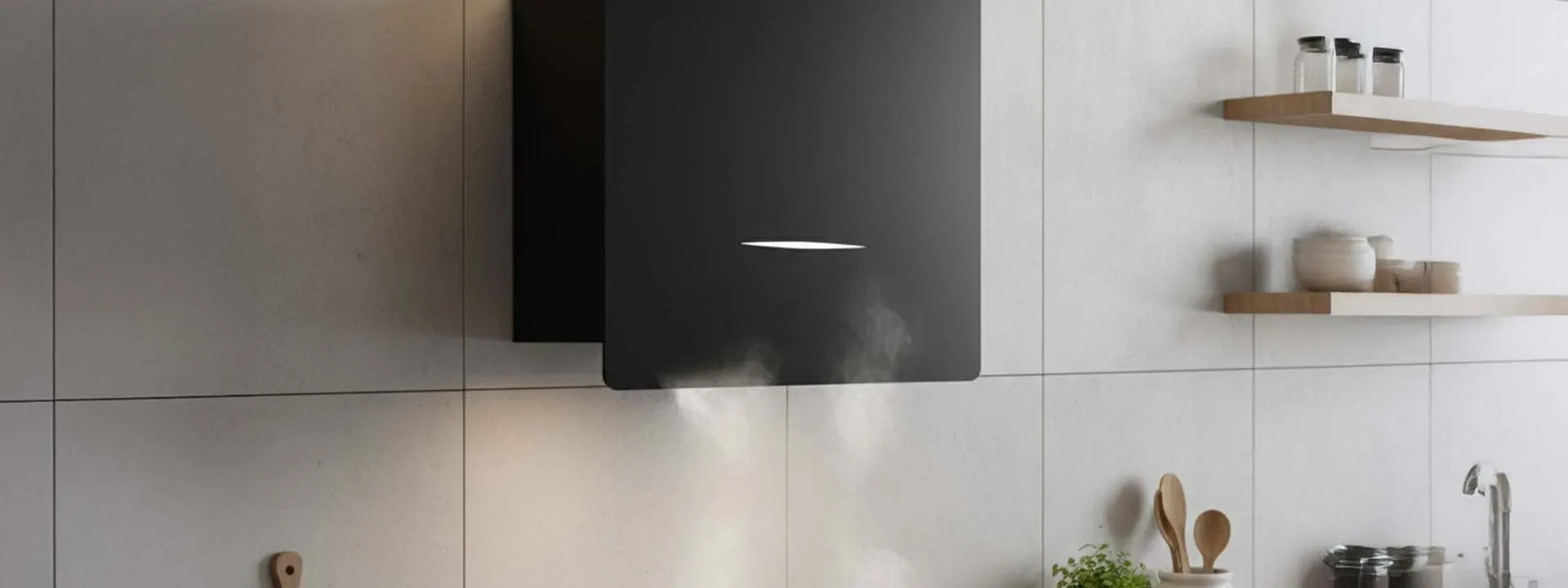
Contemporary kitchen layouts favor sleek, handleless cabinets and integrated appliances. Choose flat-panel doors in light colors to create seamless surfaces. Integrate your chimney hood into the cabinetry for a streamlined appearance that doesn't overwhelm the space.
Minimalism reduces visual clutter through careful editing. Select multi-functional items and hide small appliances in appliance garages. Choose a limited color palette with one or two accent colors maximum. This approach makes small kitchens feel larger and more serene.
Light colors reflect light and create spaciousness. White, cream, and pale gray work beautifully for cabinets and walls. Add personality through colorful backsplashes or accessories that can easily change over time. Monochromatic schemes create seamless flow that visually enlarges the space.
Layered lighting transforms small kitchens. Combine recessed ceiling lights, under-cabinet task lighting, and pendant lights over islands or peninsulas. LED strips inside glass cabinets add ambient glow. Natural light should be maximized through window treatments that don't block illumination.
Choose materials that reflect light and create continuity. Glossy subway tiles, quartz countertops, and stainless steel appliances work harmoniously. Avoid busy patterns that can overwhelm small spaces. Instead, create interest through texture variations in similar color tones.
Maximizing storage requires creative thinking and smart product selection. Every inch counts in small kitchen design, making efficient storage solutions essential for functionality.
Extend cabinets to the ceiling for maximum storage capacity. Use the top shelves for rarely needed items. Install magnetic strips on walls for knives and spice jars. Pegboards provide flexible storage that adapts to changing needs while keeping tools visible and accessible.
Select pieces that serve multiple purposes. Kitchen islands with built-in seating and storage maximize functionality. Choose dining tables with drawers or shelving underneath. Bar stools that nest completely under counters save floor space when not in use.
Pull-out drawers in lower cabinets provide better access than traditional shelves. Install lazy Susans in corner cabinets to utilize awkward spaces. Toe-kick drawers offer hidden storage for flat items like baking sheets and cutting boards.
When dedicated pantries aren't possible, create alternatives. Tall, narrow cabinets can house significant storage. Over-refrigerator cabinets work for rarely used items. Consider converting nearby closets into pantry space if kitchen expansion isn't feasible.
Maximize existing cabinets through smart organization. Install door-mounted racks for spices and cleaning supplies. Use stackable containers to create uniform storage. Drawer dividers keep utensils organized and easily accessible.
Transforming your kitchen doesn't require enormous budgets. Strategic improvements can create dramatic changes while respecting financial constraints common in kitchen remodeling projects.
Paint existing cabinets for instant transformation. Replace cabinet hardware with modern pulls and knobs. Install new lighting fixtures to update the space's mood. These changes typically cost under INR 50,000 but create significant visual impact.
Install open shelving to replace upper cabinets, creating openness while reducing costs. Paint walls in light, fresh colors. Add peel-and-stick backsplash tiles for easy installation and removal. These projects require minimal skills but offer substantial improvements.
Replace outdated appliances strategically. A new chimney hood improves both function and aesthetics. Modern cooktops offer better efficiency and sleeker profiles. Choose appliances that fit your space perfectly rather than forcing oversized units into small areas.
Laminate countertops now mimic expensive materials convincingly. Vinyl plank flooring provides durability and style at reasonable costs. These surfaces offer excellent value while maintaining attractive appearances that complement modern kitchen design principles.
Seeing actual transformations provides concrete small kitchen layout inspiration and demonstrates what's possible within various constraints and budgets.
A 150-square-foot studio kitchen maximized every inch through vertical storage and multi-functional elements. Wall-mounted fold-down tables provided prep space when needed. Magnetic strips held knives and tools. The result: a fully functional kitchen that didn't overwhelm the living space.
This narrow 6x12-foot kitchen gained functionality through strategic layout changes. Removing a wall opened sight lines while maintaining work zones. Light colors and under-cabinet lighting eliminated the tunnel effect. Smart storage solutions doubled the usable space.
This project focused on surface updates and smart shopping. Painted cabinets, new hardware, and updated lighting created a fresh look. A new backsplash and modern appliances completed the transformation. The result proved that style doesn't require unlimited budgets.
Successful kitchen remodeling requires careful planning and realistic timelines. Following proven steps prevents costly mistakes and ensures satisfying results.
Evaluate your current kitchen's strengths and weaknesses. List must-have improvements versus nice-to-have features. Set realistic budgets including 20% contingency for unexpected issues. This foundation guides all subsequent decisions.
Create detailed floor plans showing exact measurements and appliance locations. Select materials that complement your home's style while meeting practical needs. Consider maintenance requirements and longevity when making choices.
Plan renovations during seasons when you can manage without a full kitchen. Order materials well in advance to avoid delays. Coordinate contractors and deliveries carefully. Most small kitchen remodels take 4-8 weeks depending on complexity.
Galley layouts work best for very small kitchens under 100 square feet. They maximize efficiency by placing everything within easy reach while maintaining clear traffic flow. Single-wall layouts work for extremely narrow spaces.
Use light colors, maximize natural light, install under-cabinet lighting, choose glossy surfaces that reflect light, and maintain clean, uncluttered countertops. Mirrors and glass cabinet doors also create illusions of space.
L-shaped and galley layouts prove most efficient for apartments. They provide maximum storage and counter space while maintaining good traffic flow. One-wall layouts work for studio apartments with severe space constraints.
Small kitchen remodels typically range from INR 1-5 lakhs depending on finishes and appliances chosen. Basic updates cost INR 1-2 lakhs, while premium remodels reach INR 4-5 lakhs. Labor costs vary significantly by region.
Current trends include integrated appliances, handleless cabinets, smart storage solutions, and multi-functional islands. Minimalist aesthetics with hidden storage and clean lines dominate contemporary designs.
Extend cabinets to the ceiling, use both walls for storage, install pull-out drawers in lower cabinets, add magnetic strips for tools, and utilize toe-kick drawers. Every vertical surface should serve storage purposes.
White, cream, light gray, and pale blue work best for small kitchens. These colors reflect light and create spaciousness. Add personality through colorful backsplashes or accessories rather than major surfaces.
Focus on clean lines, integrated appliances, minimal hardware, and smart storage solutions. Choose sleek materials like quartz countertops and subway tile backsplashes. Maintain uncluttered surfaces and use hidden storage extensively.
Designing a small kitchen successfully requires balancing functionality with aesthetics while maximizing every available inch. The key lies in understanding fundamental design principles, choosing appropriate layouts for your specific space, and implementing smart storage solutions. Whether you're working with a narrow galley, compact L-shape, or studio apartment kitchen, proven strategies can transform even the smallest spaces into highly functional culinary environments. Remember that small kitchen layout inspiration comes from understanding your specific needs, budget constraints, and lifestyle requirements. With careful planning and creative solutions, your small kitchen can become the heart of your home, proving that great design isn't about size—it's about smart choices and thoughtful execution.
