
How to Create Compact Kitchen Layout Ideas for Small Spaces
Cart
Your cart is empty
Small kitchens present unique challenges, but with the right approach, they can become highly functional and beautiful spaces. Whether you're dealing with a studio apartment, condo, or simply a compact kitchen in your home, smart design choices can transform even the tiniest cooking area into an efficient culinary haven. The key lies in understanding how to maximize every square inch while maintaining style and functionality.
Creating effective compact kitchen layout ideas requires careful planning, creative storage solutions, and strategic appliance placement. From galley configurations to L-shaped designs, each layout type offers distinct advantages for small spaces. The goal is to create a workspace that feels open, organized, and perfectly suited to your cooking needs.
Choosing the right layout forms the foundation of any successful small kitchen design. Different configurations work better for different spaces, and understanding these options helps you make informed decisions. The most efficient kitchen layouts maximize workflow while minimizing wasted space.
Each layout type offers unique benefits and challenges. Consider your space dimensions, existing plumbing locations, and daily cooking habits when selecting the best option for your home.
Galley kitchens work exceptionally well in narrow spaces, typically measuring 7-12 feet wide. These galley kitchen ideas focus on creating efficient corridors with appliances and storage on one or both sides. Single-wall galleys place everything along one wall, while double-wall designs create a cooking corridor.
Traffic flow becomes crucial in galley designs. Ensure at least 36 inches of clearance between opposing counters for comfortable movement. Position your refrigerator, sink, and cooking area to create an efficient work triangle that minimizes steps during meal preparation.
L-shaped layouts utilize corner spaces effectively while maintaining an open feel. This configuration works well for apartment kitchen design because it doesn't require extensive wall space. The corner area can accommodate a sink or provide additional counter space for food preparation.
Consider adding a small peninsula or breakfast bar to extend counter space without overwhelming the room. This addition creates natural separation between kitchen and living areas in open-concept homes.
U-shaped kitchens maximize storage and counter space by utilizing three walls. This layout works best in square or rectangular rooms with at least 8 feet of width. The design creates an enclosed cooking area that keeps everything within easy reach.
Focus on corner accessibility when planning U-shaped layouts. Install lazy Susans or pull-out drawers in corner cabinets to prevent dead space. Ensure adequate lighting in the center of the U to prevent shadows during food preparation.
Effective kitchen space saving solutions go beyond basic organization. They involve strategic design choices that multiply functionality without adding square footage. These solutions transform cramped kitchens into efficient workspaces that feel larger than their actual dimensions.
The best space-saving strategies combine vertical storage, multi-functional elements, and hidden storage innovations. Each solution should serve multiple purposes while maintaining easy access to frequently used items.
Vertical space often goes underutilized in small kitchens. Install cabinets that reach the ceiling, even if you need a step stool to access upper shelves. Store seasonal items or rarely used appliances in these high spaces. Wall-mounted magnetic strips hold knives and metal utensils safely while freeing drawer space.
Open shelving creates visual interest while providing accessible storage for dishes and glassware. Choose shelves with integrated lighting to highlight your items and brighten the space.
Every piece in a compact kitchen should serve multiple purposes. Kitchen islands with built-in storage provide extra counter space, seating, and organization. Fold-down tables attach to walls and disappear when not needed, perfect for small dining areas.
Pull-out pantry systems fit into narrow spaces between appliances or at the end of cabinet runs. These tall, thin units provide surprising storage capacity for canned goods, spices, and cleaning supplies.
Toe-kick drawers utilize the space beneath base cabinets for storing flat items like baking sheets and cutting boards. These hidden compartments add storage without affecting the kitchen's visual flow. Corner cabinet solutions include rotating shelves and pull-out systems that make deep spaces accessible.
Under-stair kitchen integration works well in multi-level homes or lofts. This space can house a compact kitchen with clever storage built into the stair structure itself.
Modern compact kitchens emphasize clean lines, efficient storage, and seamless appliance integration. Contemporary design principles help small spaces feel larger and more sophisticated. The key is balancing functionality with visual appeal while maintaining a clutter-free environment.
Current trends favor neutral color palettes, streamlined hardware, and integrated appliances that blend seamlessly with cabinetry. These design choices create cohesive looks that don't overwhelm small spaces.
Minimalist kitchens focus on essential elements while eliminating visual clutter. Choose flat-panel cabinet doors without ornate details. Integrated handles or push-to-open mechanisms create smooth, uninterrupted surfaces that reflect light and create spacious feelings.
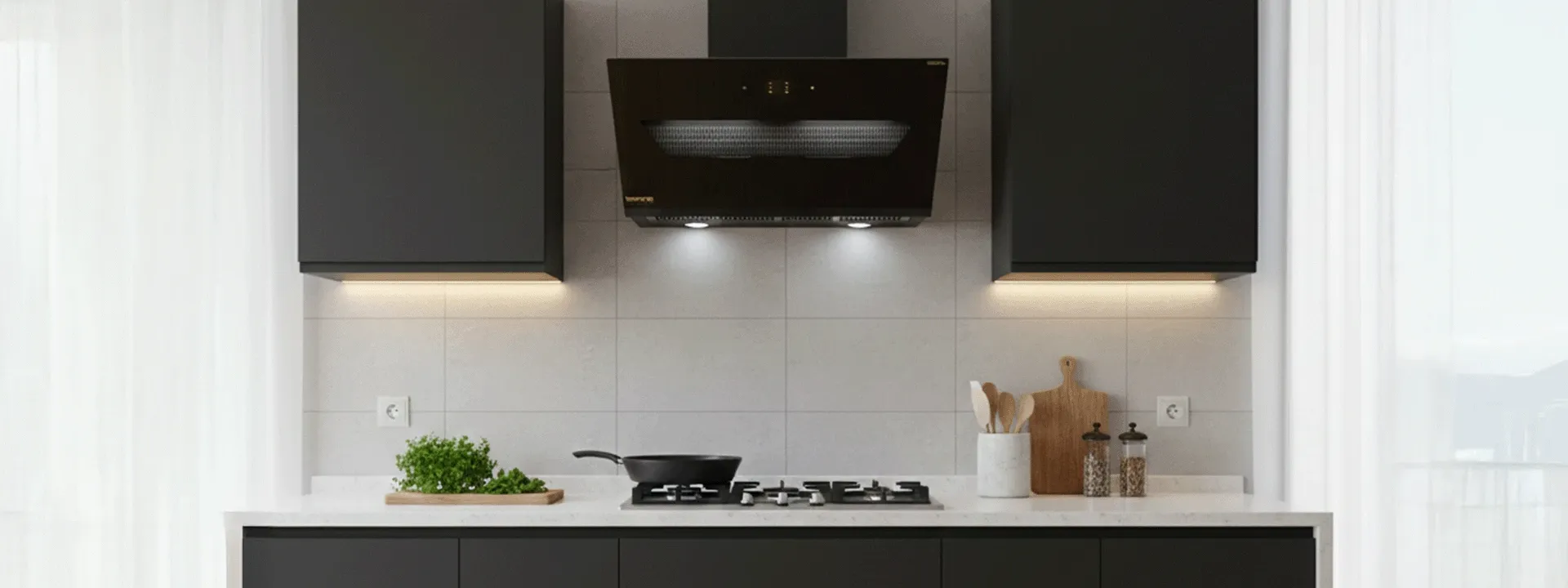
Streamlined appliance integration involves selecting models that fit flush with cabinetry. Built-in chimneys and cooktops create seamless looks while providing powerful performance in compact spaces.
Light colors reflect natural light and create illusions of space. White, cream, and pale gray cabinets paired with light countertops maximize brightness. Add personality through colorful backsplashes or accent walls that draw the eye upward.
Reflective surfaces multiply light and create depth. Consider glossy cabinet finishes, mirrored backsplashes, or stainless steel appliances that bounce light throughout the space.
Sleek countertop materials like quartz or solid surface create seamless looks with integrated sinks. These materials resist stains and scratches while maintaining consistent appearance over time. Choose edge profiles that complement your cabinet style without adding visual weight.
Cabinet hardware should be proportional to door and drawer sizes. Longer pulls on larger doors create balanced proportions, while smaller knobs work well on upper cabinets and drawers.
A successful tiny kitchen remodel doesn't require massive budgets. Strategic improvements can transform your space without breaking the bank. Focus on changes that provide maximum visual and functional impact for your investment.
Prioritize improvements based on daily usage and visual impact. Sometimes simple updates like paint and hardware create dramatic transformations that cost a fraction of full renovations.
Paint transforms kitchens instantly and affordably. Choose light, neutral colors for cabinets and walls to maximize brightness. Replace cabinet hardware with modern pulls and knobs for updated looks. Peel-and-stick backsplashes provide style without tile installation costs.
Organizational accessories like drawer dividers, shelf risers, and door-mounted racks improve functionality immediately. These small investments create big improvements in daily kitchen efficiency.
Cabinet refacing updates door fronts and hardware while keeping existing cabinet boxes. This approach costs significantly less than full replacement while providing fresh appearances. Consider adding crown molding or extending cabinets to the ceiling for custom looks.
Countertop alternatives like butcher block or laminate provide style at lower costs than natural stone. These materials offer durability and beauty while fitting modest budgets.
Invest in quality appliances that fit your space perfectly. Compact chimneys with powerful suction maintain air quality without overwhelming small kitchens. Choose models with sleek designs that complement your aesthetic while providing excellent performance.
Professional design consultation helps avoid costly mistakes and ensures optimal space utilization. Designers provide valuable insights into layout optimization and material selection.
Condo kitchen layouts must work within existing structural constraints while maximizing functionality. Building restrictions, shared walls, and limited modification options require creative solutions. Understanding these limitations helps set realistic expectations and guides design decisions.
Many condos feature open-concept living that requires careful kitchen integration with adjacent spaces. Visual flow and noise control become important considerations in these environments.
Load-bearing walls cannot be removed without structural modifications that may be prohibited or expensive. Work with existing wall locations to optimize your layout. Plumbing and electrical locations often determine appliance placement, especially in older buildings.
HOA restrictions may limit renovation scope or require approval for certain changes. Review building guidelines before planning major modifications to avoid compliance issues.
Kitchen-living room flow requires careful planning to maintain functionality while preserving open feelings. Use consistent flooring and color palettes to create seamless transitions. Consider partial walls or peninsulas that provide separation without blocking sightlines.
Powerful ventilation becomes crucial in open-concept spaces to prevent cooking odors from spreading throughout the home. Quality chimneys with adequate CFM ratings handle this challenge effectively.
Neutral design choices appeal to broader buyer pools when selling. Avoid overly personal or trendy elements that may not age well. Focus on quality materials and timeless designs that maintain appeal over time.
Document all improvements and warranty information for future buyers. This documentation adds value and provides peace of mind for potential purchasers.
Organizing small kitchen storage by functional zones maximizes efficiency and reduces clutter. Each area should contain items related to specific tasks, minimizing movement during cooking and cleaning. This approach creates logical workflows that make small kitchens feel larger and more functional.
Zone-based organization also simplifies maintenance and restocking. When everything has a designated place, keeping the kitchen organized becomes much easier.
Store pots and pans near the cooktop for easy access during meal preparation. Deep drawers work better than cabinets for heavy cookware storage. Install pull-out organizers that prevent stacking and scratching while maximizing space utilization.
Utensil storage should be within arm's reach of cooking surfaces. Wall-mounted magnetic strips, countertop crocks, or drawer organizers keep tools accessible while maintaining counter space.
Cutting board storage near prep areas saves time and effort. Vertical slots in cabinets or pull-out drawers keep boards organized and easily accessible. Knife storage should prioritize safety while maintaining convenience.
Small appliance placement requires balancing accessibility with counter space preservation. Store frequently used items like blenders or coffee makers in easily accessible cabinets with outlets for convenient use.
Under-sink organization maximizes this often-wasted space. Install pull-out trash systems, cleaning supply organizers, and water filter systems. Use door-mounted racks for additional storage without blocking plumbing access.
Separate recycling and trash solutions help maintain organization while supporting environmental goals. Compact systems fit into small spaces while providing adequate capacity for daily needs.
Galley layouts typically provide the most efficiency in small spaces by creating clear work triangles and maximizing wall utilization. Single-wall galleys work best in very narrow spaces, while double-wall configurations suit slightly wider areas. The key is maintaining at least 36 inches of clearance for comfortable movement.
Maximize storage by utilizing vertical space with ceiling-height cabinets, installing pull-out organizers in deep cabinets, and using multi-functional furniture. Add toe-kick drawers, magnetic strips for utensils, and door-mounted storage racks. Every surface should serve a storage purpose while maintaining accessibility.
Light, neutral colors like white, cream, and pale gray reflect light and create spacious feelings. Glossy finishes multiply light reflection while maintaining easy cleaning. Add personality through colorful backsplashes or accent walls rather than overwhelming the space with dark colors.
Small kitchen remodels range from INR 40,000 for basic updates to INR 8,00,000 for complete renovations. Budget-friendly improvements include paint, hardware, and organizational accessories. Mid-range projects involve countertop replacement and cabinet refacing, while full remodels include new appliances and layout changes.
Small islands or rolling carts can work in kitchens with at least 10 feet of width, maintaining 36 inches of clearance on all sides. Choose narrow designs with built-in storage to maximize functionality. Portable options provide flexibility for different activities and can be moved when extra space is needed.
Essential appliances include a compact refrigerator, efficient cooktop, powerful chimney for ventilation, and microwave. Choose models sized appropriately for your space and cooking habits. Combination appliances like microwave-convection ovens save space while providing multiple functions.
Creating effective compact kitchen layout ideas requires balancing functionality with aesthetics while maximizing every available inch. The most successful small kitchens combine smart layout choices, vertical storage solutions, and carefully selected appliances that fit the space perfectly. Whether you choose a galley, L-shaped, or U-shaped configuration, the key is creating efficient workflows that make cooking enjoyable rather than cramped.
Remember that small doesn't mean sacrificing style or functionality. With proper planning, creative storage solutions, and quality appliances designed for compact spaces, your small kitchen can become the heart of your home. Focus on solutions that serve multiple purposes, maintain visual flow, and reflect your personal style while staying within your budget constraints.
