

How to Create a Minimalist Kitchen Style for Modern Living
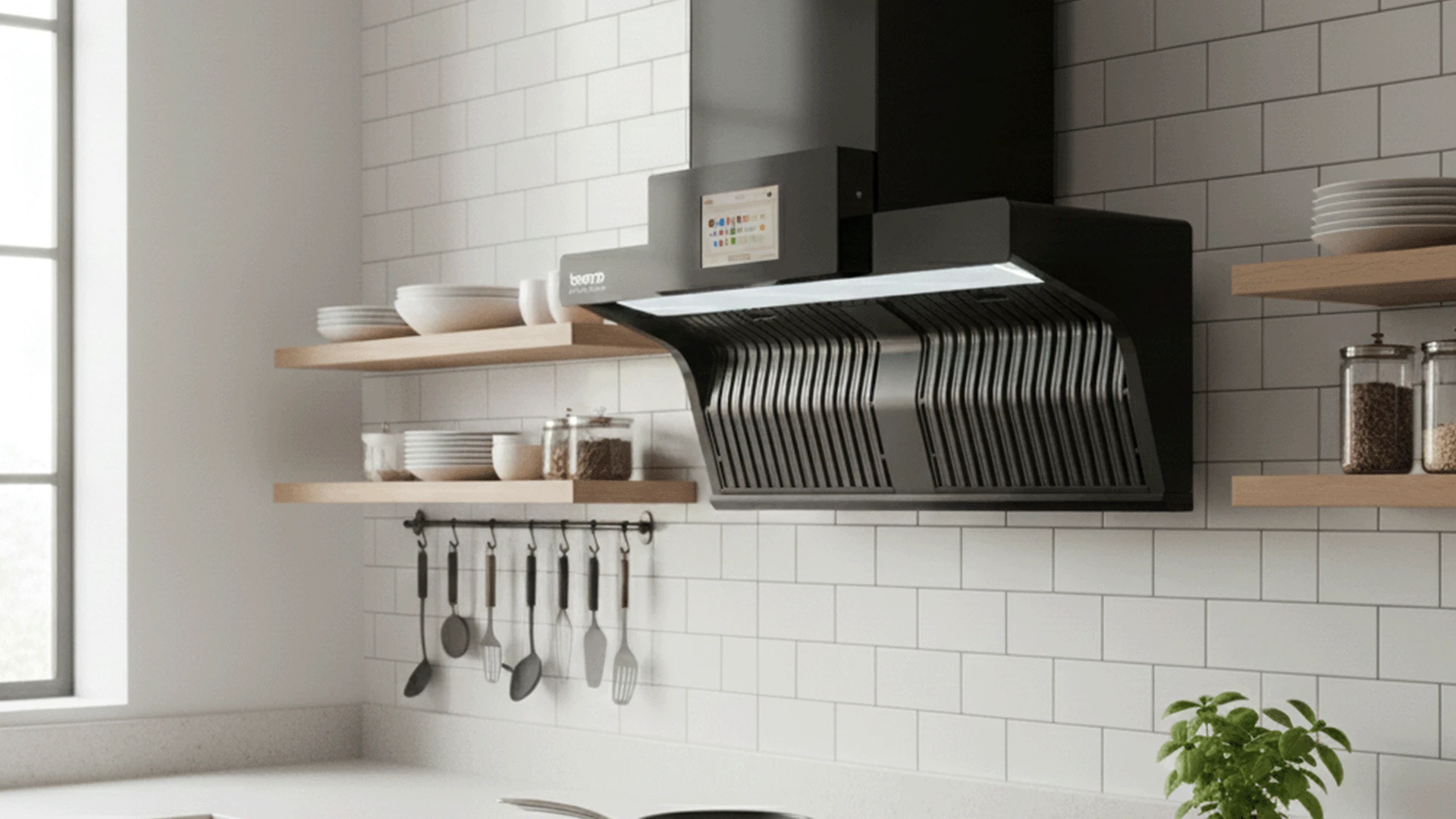
Modern homeowners are embracing the beauty of simplicity through minimalist kitchen design. This approach transforms cluttered cooking spaces into serene, functional environments that promote both efficiency and calm. Creating minimalist kitchen style goes beyond removing items—it's about thoughtful design choices that maximize both form and function. The minimalist philosophy emphasizes quality over quantity, clean lines over ornate details, and purposeful elements over decorative excess.
The foundation of any successful minimalist kitchen lies in understanding the core principle: less is more. This philosophy doesn't mean creating a stark, empty space but rather curating a kitchen where every element serves a purpose. Modern kitchen design embraces this concept by focusing on clean lines, uncluttered surfaces, and carefully selected materials that create visual harmony.
Key characteristics of minimalist design include flat-panel cabinets, hidden hardware, integrated appliances, and neutral color palettes. The goal is to create a space that feels open and breathable while maintaining full functionality. Unlike stark or empty designs, true minimalism incorporates warmth through natural materials like wood or stone, ensuring the space remains inviting and livable.
Creating minimalist kitchen style requires careful attention to foundational design elements. The most successful minimalist kitchens balance simplicity with functionality, ensuring that the reduced visual clutter doesn't compromise the kitchen's usability. Each design choice should contribute to the overall sense of calm and order.
The color scheme forms the backbone of minimalist design. Neutral tones create a timeless foundation that won't feel dated in years to come. White kitchen designs remain popular because white reflects light, making spaces appear larger and more open. However, minimalist doesn't mean monochromatic—subtle variations in white, cream, and light gray add depth without visual chaos.
Natural wood accents provide warmth and prevent the space from feeling cold or sterile. Light oak, maple, or birch tones complement neutral palettes while adding organic texture. These warm elements can appear in flooring, open shelving, or cabinet accents.
Minimalist kitchens feature straight edges and geometric forms rather than ornate curves or decorative moldings. Flat-panel cabinets with integrated handles create seamless surfaces that don't interrupt visual flow. When hardware is necessary, choose simple bar pulls or touch-latch systems that maintain clean lines.
Integrated appliances contribute significantly to the streamlined aesthetic. Built-in refrigerators, dishwashers, and cooking appliances create uninterrupted cabinet runs. Modern chimney designs, particularly slant or inclined chimneys, complement minimalist aesthetics with their geometric profiles and sleek finishes.
Effective kitchen organization is crucial for maintaining minimalist aesthetics. The key lies in creating abundant storage that keeps everyday items accessible yet hidden from view. Smart storage solutions ensure that countertops remain clear while everything needed for cooking and meal preparation stays within easy reach.
Pull-out drawers maximize cabinet efficiency by providing full access to stored items. Deep drawers work better than traditional shelves for pots, pans, and small appliances. Internal organizers keep utensils, spices, and cooking tools neatly arranged and easily accessible.
Concealed pantry systems integrate seamlessly with cabinet designs while providing substantial storage. Floor-to-ceiling pantry units maximize vertical space and can house everything from dry goods to cleaning supplies. Multi-functional furniture pieces, such as kitchen islands with built-in storage, serve dual purposes without adding visual clutter.
The one-in-one-out rule helps maintain minimalist organization long-term. When acquiring new kitchen items, remove something of equal size or function. This prevents gradual accumulation that can undermine minimalist goals.
Distinguish between essential and non-essential items by evaluating frequency of use. Items used daily deserve prime real estate, while occasional-use items can be stored in less accessible areas. Countertop clearing strategies include designated homes for every item and daily reset routines that restore order.
Small kitchen design benefits tremendously from minimalist principles. Limited square footage demands efficient use of every inch, making the minimalist focus on functionality particularly valuable. Compact kitchen ideas can transform cramped cooking areas into surprisingly spacious-feeling environments.
Maximizing vertical space with tall cabinets draws the eye upward and provides substantial storage without consuming floor space. Cabinets that extend to the ceiling eliminate dust-collecting gaps while offering storage for seasonal or rarely used items. Open shelving can work in small spaces when used sparingly and styled with restraint.
Creating visual flow involves eliminating barriers that fragment the space. This might mean removing upper cabinets on one wall to create an open feel or using consistent materials throughout. Mirror backsplashes and strategic lighting placement can make small kitchens appear significantly larger than their actual dimensions.
Contemporary kitchen design incorporates modern technology and materials that support minimalist goals. The latest innovations in appliances and fixtures offer improved functionality while maintaining clean aesthetic lines. These features enhance daily cooking experiences while contributing to the overall design vision.
Built-in appliances create seamless integration that supports minimalist aesthetics. Panel-ready dishwashers and refrigerators disappear into cabinet runs, while built-in ovens and microwaves eliminate countertop clutter. Modern hobtops and cooktops offer sleek profiles that integrate beautifully with minimalist designs.
Energy-efficient options align with minimalist values of mindful consumption. Induction cooktops provide precise temperature control while maintaining smooth, easy-to-clean surfaces. Modern chimney systems, including curved chimneys and ductless chimneys, offer powerful ventilation with minimal visual impact.
Under-cabinet LED strips provide task lighting while maintaining clean lines. These fixtures illuminate work surfaces without adding visual bulk or requiring countertop space. Pendant lights can serve as focal points when chosen carefully—simple geometric shapes work better than ornate designs.
Natural light optimization involves maximizing existing windows and considering skylights where possible. Light-colored surfaces reflect natural light throughout the space, reducing dependence on artificial lighting during daylight hours.
Kitchen renovation projects require careful planning to achieve minimalist goals within budget constraints. Kitchen remodeling for minimalist design often involves removing elements rather than adding them, which can sometimes reduce costs. However, high-quality materials and integrated appliances may require significant investment.
Budget considerations should prioritize elements that provide the biggest visual impact. Cabinet refacing or replacement typically offers the most dramatic transformation. Appliance upgrades, particularly integrated models, significantly enhance the minimalist aesthetic but require substantial budget allocation.
DIY versus professional renovation decisions depend on project scope and skill level. Simple updates like painting cabinets or installing new hardware suit DIY approaches. Complex projects involving plumbing, electrical work, or structural changes require professional expertise. Timeline planning should account for permit requirements and potential delays in custom elements.
Minimalist kitchen renovations typically range from INR 2,00,000 to INR 8,00,000, depending on size and scope. Simple updates like cabinet refacing and new appliances cost less than complete remodels with custom cabinetry and high-end integrated appliances.
White, cream, light gray, and soft beige create ideal minimalist foundations. These neutral tones can be accented with natural wood, black hardware, or subtle stone textures for added warmth and interest.
Yes, through removable updates like new cabinet hardware, peel-and-stick backsplashes, and strategic decluttering. Focus on organization systems and minimal decor rather than permanent structural changes.
Establish daily cleaning routines, implement the one-in-one-out rule for new purchases, and conduct quarterly decluttering sessions. Regular maintenance prevents gradual accumulation that undermines minimalist goals.
Avoid creating sterile environments without warmth, sacrificing functionality for aesthetics, and choosing trendy elements over timeless design. Insufficient storage planning also leads to visible clutter that defeats minimalist purposes.
Incorporate personality through material choices like natural wood or stone, carefully selected artwork, or a single statement piece like a unique light fixture. Quality over quantity ensures personal touches don't create visual chaos.
Creating a minimalist kitchen style requires thoughtful planning and commitment to simplicity principles. Success lies in balancing aesthetic goals with practical functionality, ensuring the space serves daily needs while maintaining visual calm. Quality materials, smart storage solutions, and integrated appliances form the foundation of effective minimalist design.
The investment in minimalist kitchen design pays dividends through improved daily experiences and timeless appeal. By focusing on essential elements and eliminating excess, homeowners create spaces that promote both efficiency and tranquility in their daily cooking routines.
