
How to Choose Your First Gas Hob: Beginner's Guide
Cart
Your cart is empty
Choosing your first gas hob for beginners can feel overwhelming with so many options available. Whether you're setting up your first kitchen or upgrading from a traditional gas stove, understanding the basics will help you make the right choice. Modern gas hobs offer superior safety features, sleek designs, and user-friendly controls that make beginner cooking much more enjoyable. This guide covers everything you need to know about selecting, installing, and using your first gas hob safely and effectively.
A gas hob is a cooking appliance that uses gas burners mounted on a flat surface, typically built into your kitchen countertop. Unlike traditional gas stoves that include an oven below, hobs focus solely on the cooking surface, offering better space utilization and modern aesthetics. Gas hobs work through a simple yet effective system. Gas flows through individual burner controls to create flames that provide instant, adjustable heat. Most modern models feature automatic ignition systems that eliminate the need for matches or lighters. The burners are designed with different heat outputs, allowing you to simmer delicate sauces on low heat while boiling water rapidly on high-powered burners.
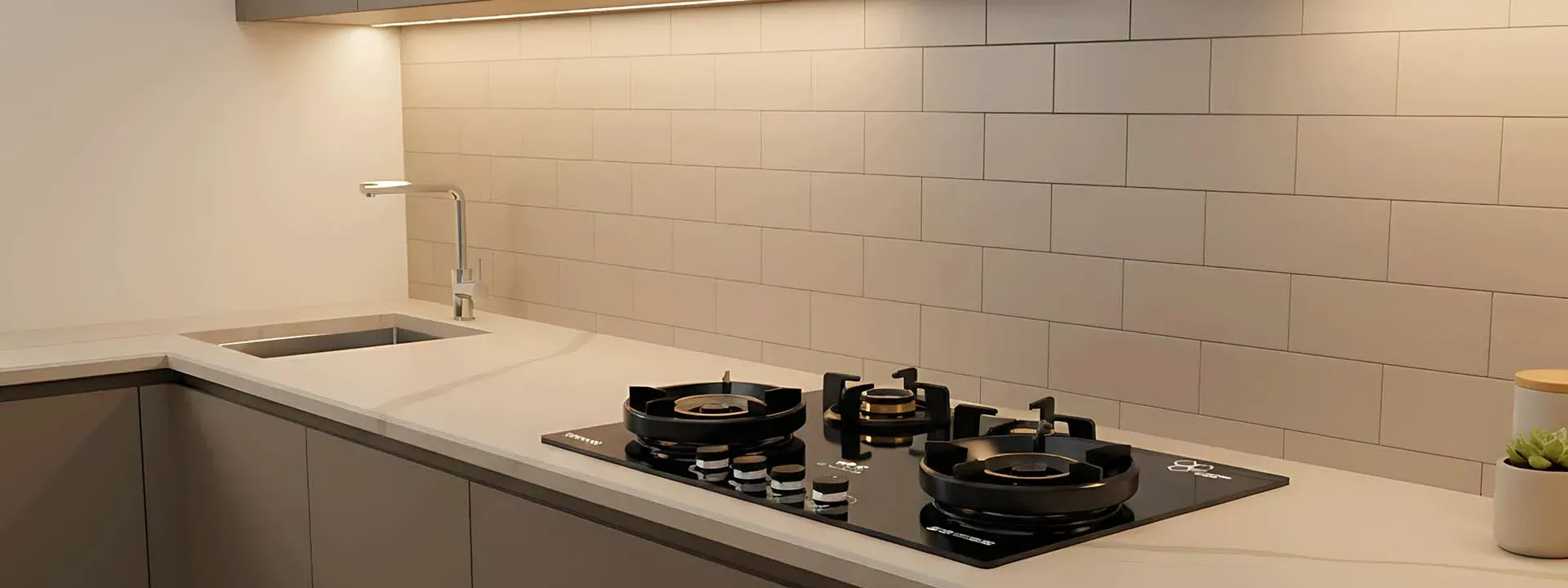
Built-in gas hobs integrate seamlessly into your countertop, creating a sleek, professional appearance. These models require proper installation and gas line connections but offer superior stability and safety. Standalone models sit on top of your counter and can be moved if needed, making them ideal for rental properties or temporary setups.
Today's gas hobs include flame failure devices that automatically shut off gas supply if flames are extinguished accidentally. Auto-ignition systems provide safe, reliable lighting without manual intervention. These safety features make modern hobs particularly suitable for those new to gas cooking, reducing common risks associated with traditional gas stoves.
Selecting the right features ensures your easy gas hob experience from day one. Focus on elements that enhance safety, convenience, and cooking performance rather than getting overwhelmed by advanced features you may not need initially.
The number of burners directly impacts your cooking flexibility and kitchen space requirements. A small gas hob with two burners works perfectly for single people or couples who prepare simple meals. Three-burner models offer a good balance between functionality and space efficiency, while four-burner hobs provide maximum cooking versatility for larger families. Consider your typical cooking patterns when choosing burner configuration. If you frequently prepare multiple dishes simultaneously, invest in a larger model. For basic cooking needs like boiling, frying, and simple meal preparation, a compact two-burner design offers excellent value and fits comfortably in smaller kitchens.
Auto-ignition eliminates the need for external lighting sources, reducing accident risks significantly. Look for models with clear flame indicators that show when burners are active. Child safety locks prevent accidental activation, essential for households with young children. Flame failure devices represent the most critical safety feature for beginners. These sensors detect when flames are extinguished and immediately stop gas flow, preventing dangerous gas accumulation. This feature provides peace of mind, especially for those transitioning from electric cooking methods.
Easy-to-clean surfaces save time and effort in daily maintenance. Stainless steel and tempered glass tops resist stains and wipe clean easily. Avoid models with excessive crevices or decorative elements that trap grease and food particles. Control knob placement affects daily usability significantly. Front-mounted controls offer easier access but may be accidentally activated. Side-mounted controls provide better safety but require reaching across the cooking surface. Choose based on your kitchen layout and personal preferences.
Assessing your kitchen layout forms the foundation of smart hob selection. Measure your available counter space carefully, considering both width and depth requirements. Account for necessary clearances around the hob for safe operation and maintenance access. Your cooking style directly influences the ideal hob specifications. Frequent entertainers benefit from larger models with multiple high-output burners. Simple home cooks find compact designs more practical and economical. Consider your typical meal complexity and frequency when making this decision. Budget considerations extend beyond the initial purchase price. Factor in installation costs, which can range from INR 2,000 to INR 8,000 depending on your kitchen's gas line configuration. Energy efficiency ratings affect long-term operating costs, with higher-efficiency models consuming less gas over time.
Verify your kitchen's gas line capacity and pressure requirements before purchasing. Most residential gas hobs operate on standard LPG connections, but commercial-grade models may require different specifications. Ensure adequate ventilation exists or plan for exhaust fan installation to maintain air quality during cooking. Counter cutout dimensions must match your chosen hob precisely. Built-in models require professional measurement and cutting for proper fit. Standalone models offer more flexibility but may require counter reinforcement for heavier units.
Different hob types cater to varying skill levels and kitchen requirements. Understanding these categories helps narrow your choices to models that match your experience level and cooking ambitions.
Compact two-burner models excel in studio apartments and small kitchens where space efficiency matters most. These units typically measure 60-70 cm in width, fitting comfortably in limited counter space while providing adequate cooking capability for basic meal preparation. Portable compact hobs offer flexibility for renters or those who frequently relocate. These models connect to standard LPG cylinders and can be stored when not in use. While convenient, ensure proper ventilation and stable placement during operation.
Look for models with clearly marked control knobs that indicate heat levels and burner selection. Some manufacturers use color-coding or numbered systems that simplify operation for new users. Avoid overly complex control panels with multiple functions that may confuse beginners. Models with graduated flame control allow precise heat adjustment, essential for learning proper cooking techniques. Large, easy-to-grip knobs provide better control than small or flush-mounted alternatives. Consider models with audible ignition feedback that confirms successful lighting.
Professional installation ensures safety and warranty compliance for your new gas hob. While some experienced DIY enthusiasts can handle basic connections, gas appliances require certified technician installation in most areas to meet safety codes and insurance requirements. Installation typically involves connecting the gas supply line, securing the hob in place, and testing all safety systems. Professional installers verify proper gas pressure, check for leaks, and ensure adequate ventilation. This process usually takes 2-4 hours depending on your kitchen's existing infrastructure.
Prepare your kitchen by clearing the installation area and ensuring gas supply accessibility. Remove any existing appliances and clean the counter surface thoroughly. Have your gas cylinder or main line connection ready for testing. Measure twice to avoid costly mistakes. Verify that your chosen hob fits the available space with proper clearances. Consider the location of electrical outlets if your model requires power for ignition systems or safety features.
Ensure your installation meets local building codes and safety standards. Most areas require certified gas fitters for appliance connections. Obtain necessary permits if required by your local authorities. Ventilation requirements vary by kitchen size and hob output. Adequate air circulation prevents gas accumulation and maintains comfortable cooking conditions. Plan for exhaust fan installation if your kitchen lacks proper ventilation.
Mastering basic hob cooking tips transforms your culinary experience from stressful to enjoyable. Start with simple techniques and gradually build confidence with more complex cooking methods.
Begin by familiarizing yourself with all controls and safety features. Read the manufacturer's manual thoroughly before first use. Test each burner individually to understand their heat output characteristics and ignition behavior. Start with low heat settings and gradually increase as needed. Gas hobs respond instantly to adjustments, unlike electric alternatives that require time to heat up or cool down. This responsiveness allows precise temperature control but requires attention to prevent overheating. Select appropriate cookware for optimal results. Flat-bottomed pots and pans distribute heat evenly and provide stable cooking surfaces. Avoid warped or damaged cookware that may create hot spots or unstable cooking conditions.
Oversizing flames wastes gas and creates safety hazards. Flames should never extend beyond the bottom of your cookware. Adjust burner output to match pot size for efficient, safe cooking. Neglecting regular cleaning leads to grease buildup and potential fire hazards. Wipe spills immediately and perform thorough cleaning weekly. Remove burner caps and drip trays for deep cleaning as recommended by your manufacturer. Ignoring unusual odors or flame colors indicates potential problems requiring immediate attention. Normal gas flames burn blue with minimal yellow tips. Persistent yellow flames or gas odors when burners are off require professional inspection.
Start by reading the manufacturer's manual completely. Ensure proper ventilation in your kitchen before lighting any burners. Turn the control knob to the ignition position while pressing the ignition button. Once the flame lights, adjust to your desired heat level. Always supervise cooking and turn off burners completely when finished. Keep flammable materials away from the cooking area and never leave flames unattended.
Poor ventilation can cause carbon monoxide buildup, leading to dizziness or headaches. Ensure adequate airflow by opening windows or using exhaust fans during cooking. Install carbon monoxide detectors in your kitchen area. If you experience persistent dizziness while cooking, stop immediately, ventilate the area, and have your gas connections inspected by a professional.
Gas hobs offer several advantages for beginners, including better safety features, easier cleaning, and more precise temperature control. Modern hobs include automatic ignition and flame failure devices that traditional stoves often lack. Hobs also provide better space utilization and contemporary aesthetics. However, traditional gas stoves may be more economical initially and don't require built-in installation.
A two or three-burner hob works well for most beginners. Two-burner models suit single people or couples with basic cooking needs. Three-burner hobs provide good versatility for small families without overwhelming new users. Avoid four-burner models initially unless you frequently cook multiple dishes simultaneously, as they require more skill to manage effectively.
Installation costs typically range from INR 2,000 to INR 8,000, depending on your kitchen's existing gas infrastructure. Simple connections to existing gas lines cost less, while new line installations or counter modifications increase expenses. Professional installation ensures safety compliance and warranty coverage, making it worthwhile despite the additional cost.
Prioritize flame failure devices that automatically shut off gas if flames are extinguished. Auto-ignition systems eliminate the need for matches or lighters. Look for clear flame indicators and easy-to-read control markings. Child safety locks prevent accidental activation. Heat-resistant surfaces and stable burner design reduce accident risks during cooking.
Choosing your first gas hob for beginners requires balancing safety, functionality, and budget considerations. Focus on essential features like automatic ignition, flame failure devices, and appropriate sizing for your kitchen and cooking needs. Professional installation ensures safe operation and warranty compliance, while proper maintenance keeps your hob performing reliably for years. Remember that cooking skills develop over time, so choose a model that accommodates your current abilities while allowing room for growth. Start with basic techniques and gradually explore more advanced cooking methods as your confidence builds. With the right gas hob and proper safety practices, you'll enjoy years of efficient, enjoyable cooking experiences.
