

How to Choose the Perfect Kitchen Cooktop for Your Home
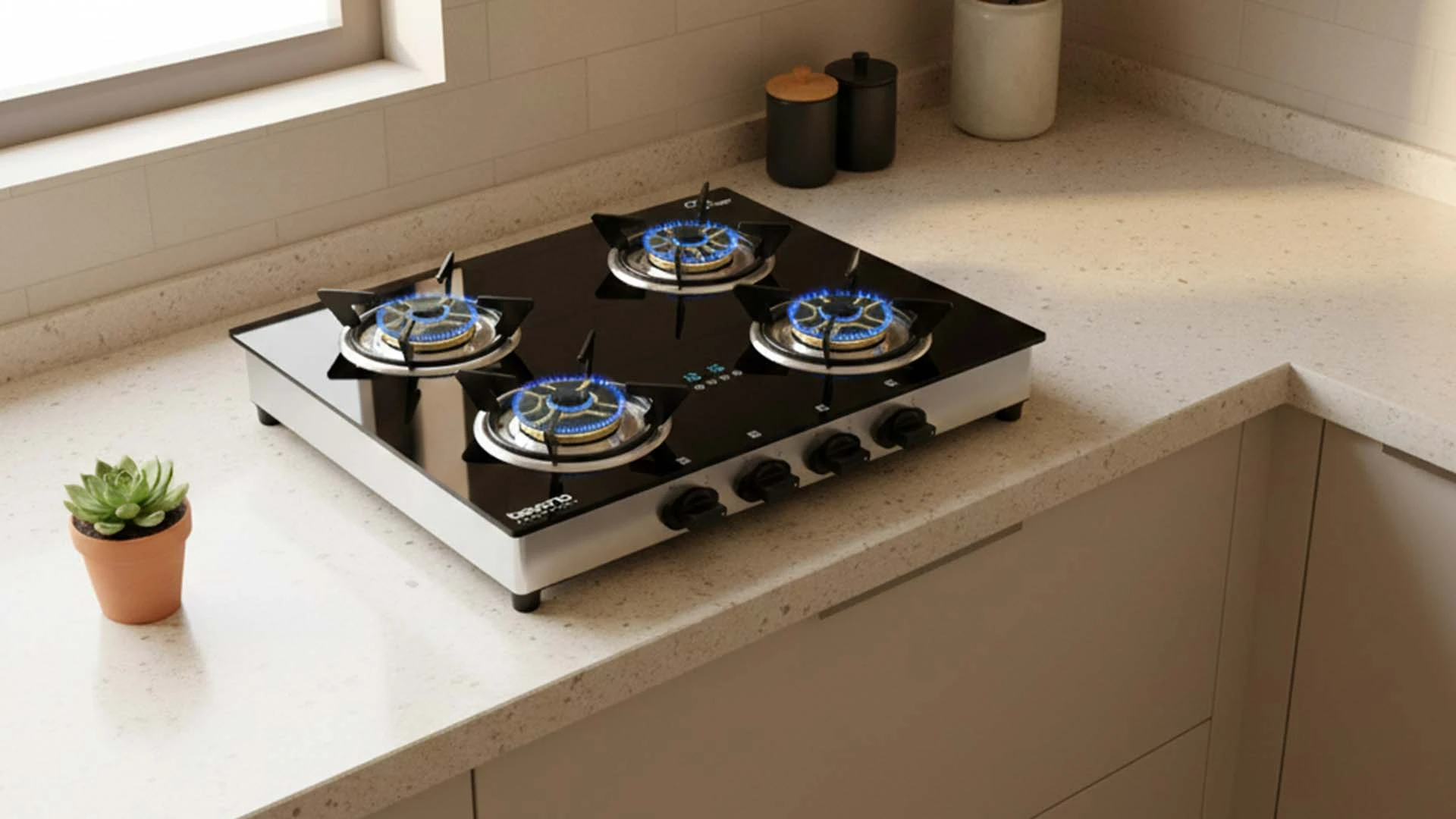
Choosing the right cooktop transforms your entire cooking experience. Whether you're upgrading your kitchen or building a new home, understanding the different types of kitchen cooktops helps you make an informed decision. Modern kitchens offer various options, from traditional gas burners to cutting-edge induction technology. Each type brings unique benefits for different cooking styles and kitchen layouts. The perfect cooktop balances your cooking needs, kitchen design, and budget considerations. This comprehensive guide explores every option to help you find the ideal cooking surface for your home.
The world of kitchen cooktops offers four primary categories, each designed for specific cooking preferences and kitchen requirements. Understanding these fundamental differences helps narrow your choices before diving into specific features and brands.
Gas cooktops remain the preferred choice for many home cooks and professional chefs. The instant flame control allows precise temperature adjustments, making them ideal for techniques requiring quick heat changes. Visual flame indicators help monitor cooking intensity, while the immediate response to control adjustments provides unmatched cooking flexibility. Installation requires proper gas line connections and adequate ventilation. Safety features include automatic ignition systems and flame failure protection. Operating costs depend on local gas prices, but gas typically offers lower long-term expenses compared to electricity.
Electric cooktops come in two main varieties: traditional coil elements and smooth ceramic glass surfaces. Coil models offer reliable performance at budget-friendly prices, while ceramic tops provide sleek aesthetics and easier cleaning. Both types deliver consistent heat distribution across the cooking surface. Energy efficiency varies by model, with newer units featuring improved heating elements and better insulation. Maintenance involves regular cleaning and occasional element replacement for coil models. Ceramic surfaces require gentle cleaning products to prevent scratches and maintain their appearance.
Induction cooktops represent the latest advancement in cooking technology. Electromagnetic fields heat compatible cookware directly, resulting in faster cooking times and precise temperature control. The cooktop surface remains relatively cool, reducing burn risks and making cleanup easier. Cookware compatibility requires magnetic materials like cast iron or magnetic stainless steel. Safety features include automatic pan detection and child lock controls. Energy efficiency surpasses other cooktop types, with up to 90% of energy transferred directly to food.
Downdraft systems integrate ventilation directly into the cooktop, eliminating the need for overhead range hoods. These units work well in kitchen islands or areas where traditional ventilation isn't feasible. The built-in ventilation system captures smoke and odors at the cooking surface level. Performance varies compared to traditional range hoods, particularly for high-heat cooking methods. Installation requires adequate space below the cooktop for ventilation ducting. These systems work best with moderate cooking styles rather than heavy frying or grilling.
Comparing electric and gas options involves evaluating performance, costs, and practical considerations for your specific kitchen setup. Each type offers distinct advantages depending on your cooking style and home infrastructure.
Gas cooktops provide instant heat control with immediate response to adjustments. The visible flame helps gauge cooking intensity, while high BTU burners accommodate various pot sizes. Electric models offer more even heat distribution but require time to heat up and cool down. Temperature precision varies between types, with gas offering quick adjustments and electric providing steady, consistent heat. Professional chefs often prefer gas for high-heat techniques, while electric excels at gentle simmering and maintaining steady temperatures.
Initial purchase prices vary widely within each category. Basic electric coil models start around INR 15,000, while premium gas cooktops can exceed INR 50,000. Installation costs depend on existing utilities, with gas requiring professional connection and electric needing appropriate electrical circuits. Operating expenses favor gas in most regions, with natural gas typically costing less than electricity per BTU. Energy efficiency ratings help compare long-term costs, though actual expenses depend on local utility rates and cooking frequency.
Modern gas cooktops include safety features like automatic ignition and flame failure protection. Electric models eliminate open flames but require caution around hot surfaces. Both types need regular cleaning, with electric ceramic surfaces requiring special care to prevent scratches. Lifespan expectations range from 10-15 years for quality models of either type. Gas burners may need occasional cleaning or adjustment, while electric elements eventually require replacement. Professional maintenance ensures optimal performance and safety for both options.
Space constraints and lifestyle changes drive demand for flexible cooking solutions. Compact cooktops and portable cooktops offer full functionality in smaller packages, perfect for apartments, RVs, or supplemental cooking areas.
Countertop stoves provide complete cooking capability without permanent installation. Single-burner units work well for basic cooking needs, while double-burner models accommodate larger meals. Power requirements vary from standard 120V outlets to 240V connections for higher-powered units. Storage benefits include easy relocation and minimal counter space when not in use. These units work well for temporary living situations, outdoor cooking, or as backup cooking options during kitchen renovations.
Modern cooktops maximize functionality while minimizing space requirements. Narrow 24-inch models fit tight spaces without sacrificing cooking performance. Sleek designs integrate seamlessly with contemporary kitchen aesthetics, featuring touch controls and minimalist styling. Space-saving installation techniques include undermount options and flush-mount designs. These approaches maintain clean lines while providing full cooking capability in compact kitchens.
RV and camping applications benefit from lightweight, efficient portable units. Single-burner induction models offer excellent performance with minimal power consumption. Butane-powered options provide cooking capability without electrical connections. Temporary cooking solutions work well during kitchen renovations or in rental properties. High-powered portable induction units can handle most cooking tasks while occupying minimal space. Outdoor entertaining benefits from portable options that extend cooking capability beyond the main kitchen.
Selecting the perfect cooktop requires understanding key specifications and features that impact daily use. This cooktop buying guide covers critical considerations for making an informed purchase decision.
Standard cooktop widths include 24, 30, 36, and 48 inches to accommodate different kitchen layouts. Burner configurations range from two to six cooking zones, with various arrangements to suit different cooking styles. Counter space requirements include adequate clearance around the unit for safe operation. Measuring your available space accurately ensures proper fit and allows for required clearances. Consider future needs when selecting size, as upgrading later involves significant renovation costs.
Control types include traditional knobs, touch controls, and digital displays. Safety features encompass child locks, automatic shutoff, and hot surface indicators. Special cooking zones like bridge elements accommodate large cookware or griddle attachments. Timer functions and temperature displays enhance cooking precision and convenience. Some models include preset cooking programs for common tasks. Advanced features may include connectivity options for smart home integration.
Electrical requirements vary from standard 120V outlets for small portable units to dedicated 240V circuits for full-size electric cooktops. Gas installations need proper line sizing and professional connection to ensure safety. Ventilation requirements depend on cooktop type and local building codes. Professional installation ensures safety and warranty compliance for most full-size units. DIY installation may be possible for some portable or plug-in models, but always check local codes and manufacturer requirements.
Electric cooking technology encompasses several distinct approaches, each offering unique benefits for different cooking styles and preferences. Understanding these variations helps identify the best electric option for your needs.
Traditional exposed coil designs provide reliable, affordable cooking performance. Heat distribution occurs through direct contact between cookware and heating elements. Replacement elements are readily available and relatively inexpensive when maintenance is needed. These units work with all cookware types and offer straightforward operation. Cleaning requires removing drip pans and wiping down elements, though spills can be challenging to clean completely.
Smooth ceramic surfaces provide sleek aesthetics and easier cleaning compared to coil models. Radiant heating elements beneath the glass surface distribute heat evenly across cooking zones. The flat surface accommodates various cookware sizes and shapes effectively. Cleaning requires appropriate products to prevent scratches and maintain appearance. Special scrapers help remove stubborn residue without damaging the surface. Heat retention warnings indicate when surfaces remain hot after cooking.
Full induction models use electromagnetic technology exclusively, while hybrid versions combine induction with traditional electric elements. Power levels typically range from low simmer settings to high-heat boost functions. Advanced features include pan detection, automatic sizing, and precise temperature control. Cooking zones may include flexible areas that accommodate various pan sizes and shapes. Bridge functions connect adjacent zones for large cookware or griddle use.
Matching cooktop capabilities to your cooking preferences ensures satisfaction with your purchase. Different cooking techniques benefit from specific cooktop features and performance characteristics.
High-heat cooking techniques like wok cooking, searing, and frying benefit from gas cooktops' instant heat control and high BTU output. Precision cooking for sauces, candy making, and delicate dishes works well with induction's precise temperature control. Everyday cooking for family meals and meal prep succeeds with any quality cooktop type. Consider your most frequent cooking methods when evaluating options. Heavy entertaining may require multiple high-powered burners, while simple meal preparation needs fewer cooking zones.
Island installations often work well with induction or electric cooktops due to ventilation considerations. Peninsula layouts may accommodate gas options with proper ventilation planning. Integration with existing appliances affects both aesthetic and functional considerations. Ventilation requirements vary by cooktop type and cooking style. High-heat cooking needs more powerful ventilation regardless of cooktop choice.
Entry-level options provide basic functionality at affordable prices, while premium features add convenience and performance. Brand reliability affects long-term satisfaction and maintenance costs. Warranty coverage protects your investment and provides peace of mind. Return on investment considerations include energy efficiency, durability, and potential home value impact. Quality cooktops typically last 10-15 years with proper maintenance.
The four main types include gas, electric (coil and ceramic), induction, and downdraft cooktops. Each uses different heating methods and offers unique benefits for cooking performance and kitchen design.
Induction cooktops offer faster heating, better energy efficiency, and precise temperature control compared to ceramic electric cooktops. However, ceramic cooktops cost less initially and work with all cookware types.
Induction cooktops require magnetic cookware such as cast iron, carbon steel, or magnetic stainless steel. Aluminum, copper, and glass cookware won't work unless they have magnetic bases.
Installation costs vary by type: electric cooktops INR 3,000-8,000, gas cooktops INR 5,000-15,000, and induction cooktops INR 4,000-10,000. Professional installation is recommended for gas connections and electrical work.
Gas cooktops are traditionally preferred for Indian cooking due to high-heat requirements for techniques like tempering spices and making rotis. However, modern induction cooktops also work well with compatible cookware.
High-quality portable cooktops can match built-in performance for most cooking tasks. Power output and features may be limited compared to full-size units, but they offer excellent flexibility and convenience.
Choosing the perfect cooktop involves balancing your cooking style, kitchen layout, and budget considerations. Gas cooktops excel at high-heat cooking with instant control, while electric options offer consistent performance and easy cleaning. Induction technology provides the ultimate in efficiency and precision, though it requires compatible cookware. Portable and compact options extend cooking capability to small spaces and temporary situations. Consider your most frequent cooking methods, available utilities, and long-term needs when making your decision. Quality cooktops from reputable manufacturers provide years of reliable service with proper maintenance. Professional installation ensures safety and optimal performance for your investment.
