
How to Choose the Perfect Kitchen Chimney for Your Home
Cart
Your cart is empty
Choosing the right kitchen chimney can transform your cooking experience from smoky chaos to culinary bliss. With Indian cooking styles producing significant smoke, oil particles, and strong aromas, a well-selected kitchen exhaust hood becomes essential for maintaining a clean, comfortable kitchen environment. The market offers numerous options, from compact designs perfect for modern apartments to powerful ducted systems for large family kitchens. Understanding your specific needs, kitchen layout, and cooking habits will guide you toward the perfect chimney that balances performance, aesthetics, and budget. This comprehensive kitchen chimney buying guide will walk you through every crucial factor to consider before making this important investment for your home.
Modern kitchen chimneys come in various configurations, each designed to address specific ventilation needs and kitchen layouts. The technology behind these appliances has evolved significantly, offering features that make cooking more enjoyable while keeping your kitchen spotless. Understanding the fundamental differences between chimney types helps you make an informed decision that aligns with your cooking style and home setup. The choice between different chimney technologies often depends on your cooking frequency, the types of dishes you prepare, and your kitchen's structural limitations. Heavy Indian cooking, with its generous use of spices and oil, demands robust ventilation solutions that can handle substantial smoke and grease production.
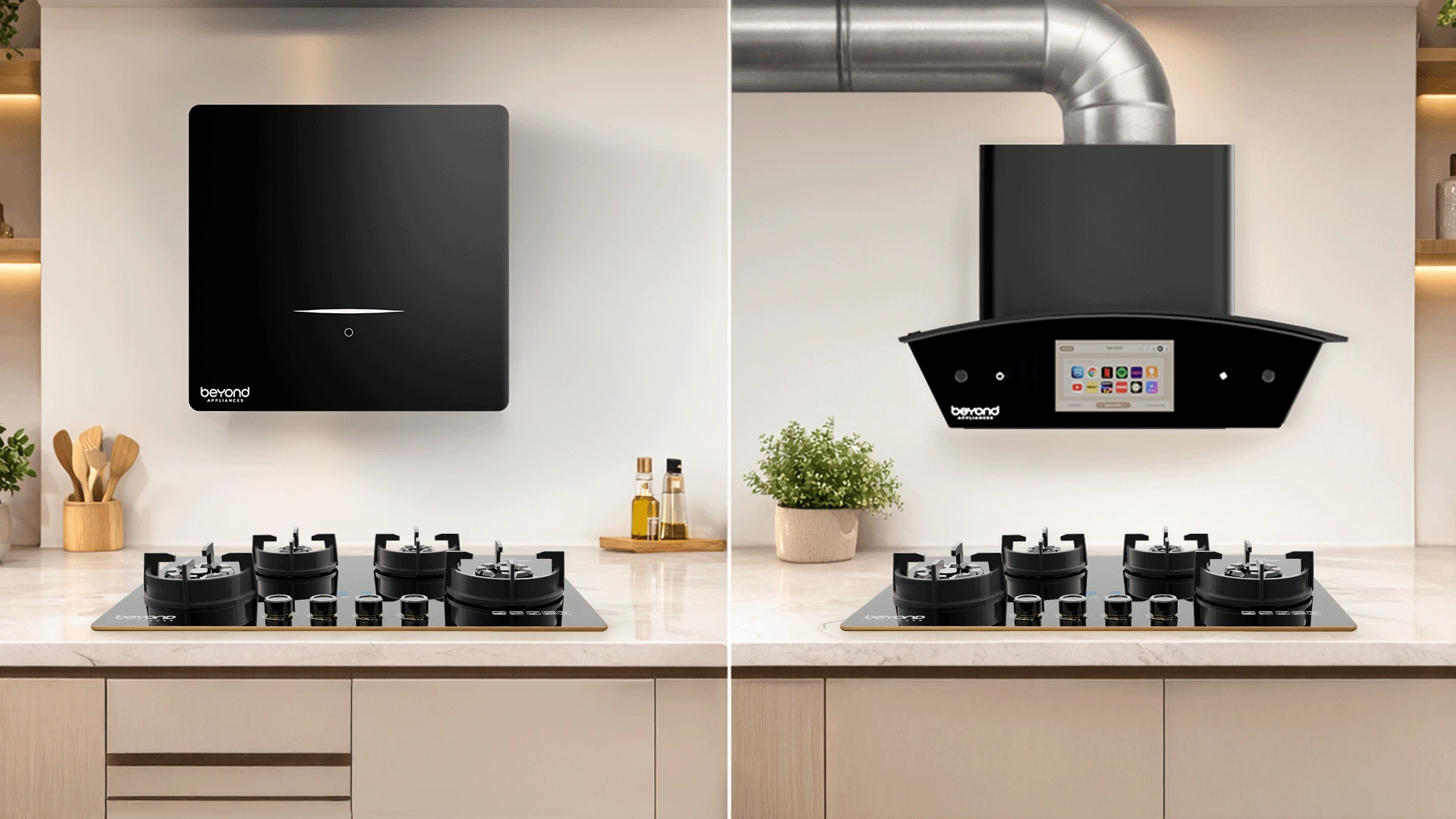
Ducted chimneys connect to external venting systems, expelling smoke and odors directly outside your home. These systems offer superior performance for heavy cooking, making them ideal for families who prepare elaborate Indian meals regularly. The installation requires proper ductwork and external venting points, which may involve structural modifications. Ductless chimneys filter and recirculate air back into the kitchen using charcoal and mesh filters. While easier to install and perfect for rental properties, they require regular filter maintenance and may not handle heavy cooking as effectively as ducted systems.
Auto-clean technology uses heat to break down oil and grease deposits, significantly reducing manual cleaning requirements. This feature proves invaluable for busy households where regular maintenance might be overlooked. Filterless systems eliminate the need for traditional mesh filters by using centrifugal force to separate oil particles. These designs require less maintenance but may need more frequent internal cleaning.
Wall-mounted chimneys attach directly to the wall above your cooktop, offering excellent suction power and easy installation. These designs work well in most kitchen layouts and provide reliable performance. Ceiling-mounted options hang from the ceiling, perfect for island kitchens or open-plan cooking areas. These create a modern aesthetic while providing 360-degree smoke capture.
Selecting the appropriate chimney size for kitchen spaces requires careful consideration of your cooktop dimensions, kitchen area, and cooking intensity. An undersized chimney will struggle to capture smoke effectively, while an oversized unit may look disproportionate and consume unnecessary energy. The key lies in matching chimney capacity to your specific cooking needs and kitchen layout. Proper sizing ensures optimal performance while maintaining aesthetic appeal in your kitchen design. Most manufacturers provide sizing guidelines, but understanding the underlying principles helps you make better decisions.
60cm chimneys suit compact kitchens with 2-4 burner gas stoves, providing adequate coverage for small to medium cooking areas. These units typically offer suction capacities between 400-800 cubic meters per hour. 75cm options work well for medium-sized kitchens with standard 4-burner cooktops. They provide better coverage and higher suction capacity, making them suitable for regular family cooking. 90cm chimneys accommodate large cooking spaces and wide cooktops, offering maximum coverage and powerful suction for heavy cooking requirements.
Small kitchens up to 150 square feet typically require 400-600 cubic meters per hour suction capacity. This range handles light to moderate cooking without overwhelming the space. Medium kitchens between 150-250 square feet benefit from 600-1000 cubic meters per hour capacity, providing adequate ventilation for regular family cooking. Large kitchens exceeding 250 square feet need 1000+ cubic meters per hour capacity to ensure effective smoke and odor removal across the entire cooking area.
The chimney width should equal or exceed your cooktop width to ensure complete smoke capture. A 60cm chimney works perfectly with standard 4-burner gas stoves, while larger cooktops require proportionally wider chimneys. Installation height matters significantly for performance. Position your chimney 24-30 inches above gas stoves for optimal suction without interfering with cooking activities.
Modern kitchen chimneys offer numerous features designed to enhance performance, convenience, and user experience. Understanding these features helps you prioritize what matters most for your cooking style and maintenance preferences. The right combination of features can significantly impact your daily cooking experience and long-term satisfaction with your chimney. Feature selection should align with your cooking habits, maintenance willingness, and budget constraints. Some features provide immediate convenience, while others offer long-term benefits through reduced maintenance or energy savings.
CFM ratings indicate the volume of air moved per minute, directly correlating to smoke removal efficiency. Higher CFM ratings provide better performance but may increase noise levels and energy consumption. Dual motor systems offer superior suction power and redundancy, ensuring continued operation even if one motor fails. Single motor units provide adequate performance for most households while consuming less energy. Noise levels should remain under 50 decibels for comfortable cooking experiences. Modern chimneys incorporate noise reduction technologies to minimize operational sound.
Baffle filters use curved metal plates to separate grease from air, offering excellent performance for Indian cooking styles. These stainless steel filters are dishwasher-safe and highly durable. Mesh filters provide basic filtration at lower costs but require frequent cleaning and replacement. They work adequately for light cooking but may struggle with heavy oil-based preparations. Charcoal filters in ductless systems absorb odors effectively but need regular replacement every 3-6 months depending on usage intensity.
Touch controls provide modern aesthetics and easy cleaning but may be sensitive to moisture and grease. They offer precise speed control and additional features like timers. Push button controls deliver reliable operation with tactile feedback, making them suitable for heavy-use kitchens where durability matters most. Remote controls add convenience for ceiling-mounted units or when controls are difficult to reach during cooking.
Proper installation significantly impacts chimney performance and longevity. Whether choosing ducted or ductless systems, understanding installation requirements helps you plan effectively and avoid costly modifications later. Professional installation ensures optimal performance while maintaining safety standards and manufacturer warranties. Installation complexity varies significantly between chimney types and kitchen layouts. Some installations require minimal modifications, while others may involve structural changes or electrical work.
External venting requires clear pathways from the chimney to outside walls or rooftops. Duct routing should minimize bends and maintain proper slope for condensation drainage. Chimney installation cost for ducted systems typically ranges from INR 2,000-8,000, depending on ductwork complexity and structural modifications required. Professional installation ensures proper electrical connections, secure mounting, and optimal duct routing. DIY installation may void warranties and compromise safety.
No external venting eliminates the need for structural modifications, making installation faster and less expensive. This flexibility suits rental properties where permanent modifications aren't allowed. Rental-friendly options can be easily removed and relocated, making them perfect for temporary living situations or frequent movers. Recirculation efficiency depends heavily on filter quality and maintenance frequency, requiring more attention than ducted systems.
Island kitchen placement requires ceiling-mounted chimneys with adequate clearance for comfortable movement around the cooking area. Corner kitchen solutions may need specialized mounting brackets or angled installations to ensure proper smoke capture. Compact modern design integration focuses on seamless blending with existing kitchen aesthetics while maintaining functional efficiency.
Kitchen chimney prices vary significantly based on features, build quality, and brand reputation. Understanding different price segments helps you identify the best value for your specific needs and budget constraints. Smart budget planning considers not just initial purchase price but also long-term operational costs and maintenance requirements. Investment in quality chimneys often pays dividends through better performance, lower maintenance costs, and longer lifespan. However, expensive doesn't always mean better for your specific situation.
Entry-level options between INR 5,000-15,000 provide basic functionality with manual controls and standard filters. These units suit light cooking and budget-conscious buyers. Mid-range features from INR 15,000-35,000 include auto-clean technology, better build quality, and improved suction power. These represent the sweet spot for most households. Premium models exceeding INR 35,000 offer advanced features like smart controls, superior materials, and exceptional performance for demanding cooking requirements.
Brand reputation often reflects product quality, after-sales service, and long-term reliability. Established brands typically offer better warranty coverage and service network accessibility. Customer reviews and professional ratings provide valuable insights into real-world performance and common issues. Focus on reviews from users with similar cooking styles and kitchen setups.
Energy consumption varies significantly between models, with efficient units saving substantial electricity costs over their lifespan. LED lighting and variable speed motors contribute to energy savings. Maintenance costs include filter replacements, professional cleaning, and potential repairs. Auto-clean features and durable filters reduce long-term expenses. Durability expectations for quality chimneys range from 8-15 years with proper maintenance, making them worthwhile long-term investments.
Many homeowners make preventable mistakes when selecting kitchen chimneys, leading to poor performance, higher costs, or installation complications. Understanding these common pitfalls helps you make better decisions and avoid costly corrections later. Learning from others' experiences can save significant time, money, and frustration. Most mistakes stem from inadequate research, focusing solely on price, or misunderstanding specific kitchen requirements. Taking time to properly assess your needs prevents these issues.
Undersized chimneys for heavy cooking fail to capture smoke effectively, leaving your kitchen smoky and uncomfortable. Always choose capacity based on your maximum cooking intensity, not average use. Oversized units in compact kitchens create aesthetic imbalance and may cause excessive air circulation, affecting cooking temperatures and energy efficiency. Incorrect height installation compromises performance significantly. Too high reduces suction efficiency, while too low interferes with cooking and may pose safety risks.
Choosing ductless for heavy Indian cooking often results in inadequate smoke removal and frequent filter replacements. Ducted systems handle oil-heavy cooking much more effectively. Ignoring noise levels in open kitchens can make cooking unpleasant and disrupt household activities. Always check decibel ratings before purchasing. Overlooking maintenance requirements leads to poor performance and shortened lifespan. Consider your willingness and ability to maintain the system regularly.
For heavy Indian cooking with lots of oil and spices, choose ducted chimneys with 800+ cubic meters per hour suction capacity and baffle filters. Light cooking households can opt for ductless options with 400-600 cubic meters per hour capacity. Auto-clean technology benefits all cooking styles by reducing maintenance requirements.
Ducted chimneys work best for Indian kitchens due to their superior ability to handle oil-heavy cooking and strong spices. Baffle filters excel at separating grease particles common in Indian cuisine. Size recommendations typically favor 60-75cm widths for standard Indian household cooking requirements.
Apartments often require ductless solutions due to structural limitations and rental restrictions. Independent houses can accommodate ducted installations with proper external venting. Always check building regulations and society permissions before installing ducted systems in apartments.
24-inch (60cm) chimneys suit standard 2-3 burner setups in compact kitchens. 30-inch (75cm) options work well for medium cooking areas with 4-burner stoves. 36-inch (90cm) chimneys accommodate large family kitchens with wide cooktops or heavy cooking requirements.
Ductless chimney installation typically costs INR 1,000-3,000 for basic mounting and electrical connections. Ducted installations range from INR 2,000-8,000 depending on ductwork complexity and structural modifications required. Professional installation ensures warranty coverage and optimal performance.
Basic maintenance includes weekly filter cleaning for heavy cooking households and monthly cleaning for light users. Auto-clean chimneys require less frequent manual cleaning but still need periodic filter maintenance. Annual professional servicing helps maintain optimal performance and extends lifespan.
Selecting the perfect kitchen chimney requires balancing performance needs, kitchen constraints, and budget considerations. Start by honestly assessing your cooking style and frequency to determine appropriate suction capacity and chimney type. Consider your kitchen layout, installation limitations, and long-term maintenance willingness when choosing between ducted and ductless options. Remember that proper sizing and installation significantly impact performance, making professional consultation valuable for complex installations. Quality chimneys represent long-term investments that enhance your cooking experience while protecting your kitchen from smoke and grease damage. Take time to research thoroughly, read user reviews, and compare features before making this important decision for your home.
