

How to Choose the Best Kitchen Chimney for Oily Fumes
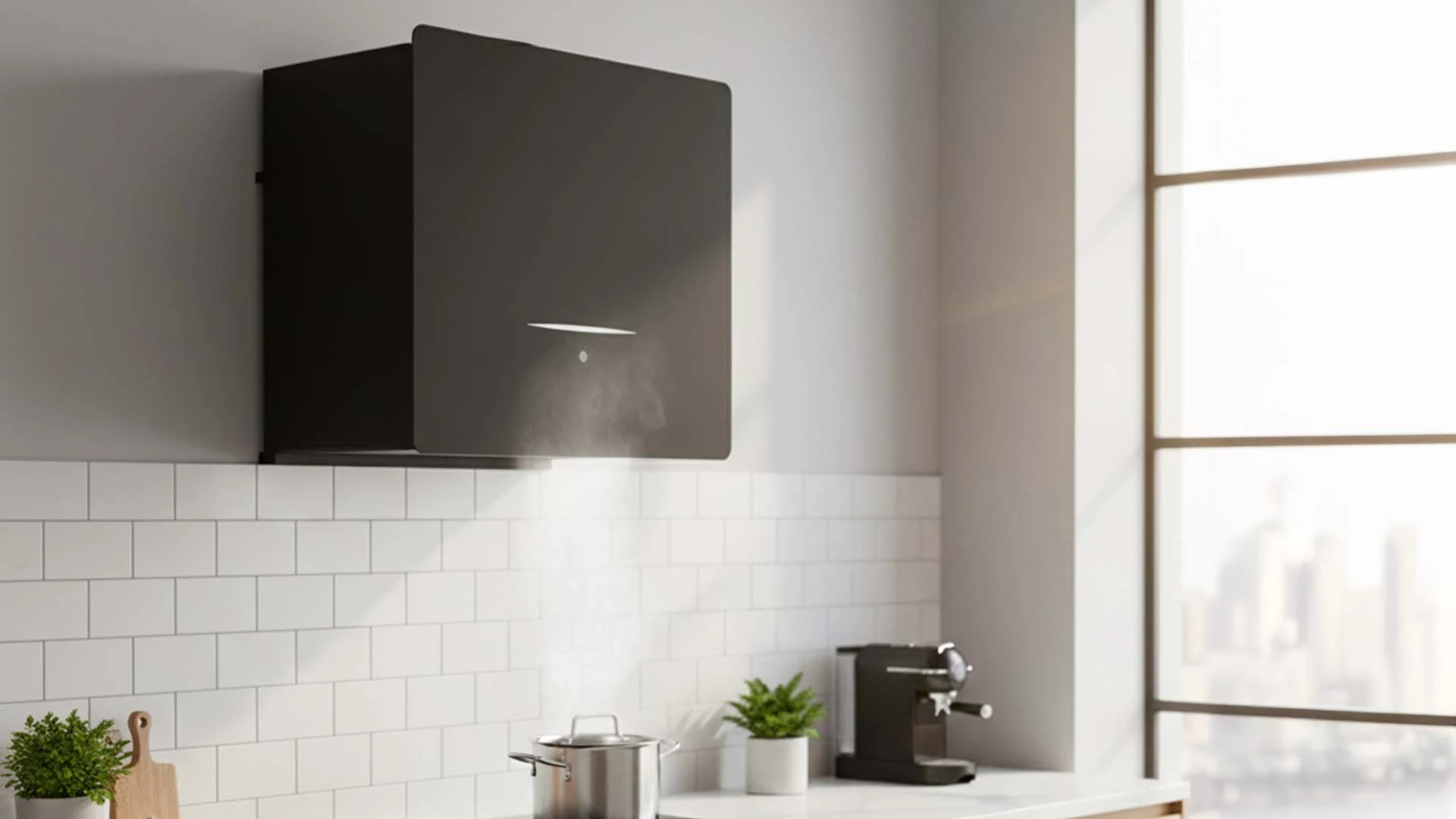
Indian kitchens are known for their rich, flavorful cooking that often involves deep frying, tempering spices, and preparing oil-heavy dishes. While these cooking methods create delicious meals, they also generate substantial amounts of oily fumes that can quickly overwhelm your kitchen space. Without proper ventilation, these fumes settle on surfaces, create stubborn grease buildup, and can even affect indoor air quality. Choosing the right kitchen chimney for oily fumes becomes essential for maintaining a clean, healthy cooking environment. This comprehensive guide will help you navigate through various options and technologies to find the perfect solution for your oil-heavy cooking needs.
Selecting an effective chimney for oil-heavy cooking requires understanding how different technologies handle grease particles and heavy fumes. The right system not only removes smoke but also captures oil droplets before they spread throughout your kitchen.
A quality kitchen exhaust fan designed for oily cooking needs superior suction power, typically ranging from 800 to 1500 CFM (Cubic Feet per Minute). The motor strength directly impacts how effectively the system can pull heavy, oil-laden air through filters and out of your kitchen. Advanced filter technology plays an equally important role, with baffle filters proving most effective for capturing grease particles while allowing easy cleaning.
The auto clean chimney stands out as the top choice for oil-heavy kitchens, featuring heat-based cleaning technology that automatically removes grease buildup from internal components. These systems use thermal cleaning cycles to burn off accumulated oil, significantly reducing manual maintenance requirements. Oil filter chimney models with specialized cassette or baffle filters provide excellent grease capture, while compact kitchen chimney options work well for smaller spaces without compromising on oil extraction efficiency.
When dealing with oily fumes, certain features become non-negotiable for optimal performance. Understanding these specifications helps ensure your investment delivers long-term satisfaction and effective oil management.
For Indian cooking styles that involve frequent frying and oil-based preparations, your range hood should provide minimum 800 CFM suction power for kitchens up to 200 square feet. Larger kitchens or those with heavy cooking requirements need 1200-1500 CFM capacity. The suction power must overcome the weight of oil particles, which are significantly heavier than regular cooking vapors.
Modern fume extractor systems incorporate multiple technologies for superior oil handling. Filterless technology eliminates traditional mesh filters, using centrifugal force to separate oil particles and collect them in removable trays. Baffle filters with curved metal plates create turbulence that forces oil droplets to condense and drain away. Heat auto-clean functionality periodically heats internal components to 200-250°C, effectively burning off accumulated grease without manual intervention.
Proper installation significantly impacts your chimney's ability to handle oily fumes effectively. Strategic placement and adequate ventilation setup ensure optimal performance and longevity of your system.
Install your chimney 24-30 inches above the cooktop for gas stoves, or 20-24 inches for electric cooktops. This height provides optimal capture of rising oil vapors without interfering with cooking activities. For ductless chimney installations, ensure adequate clearance around the unit for proper air circulation and filter access. The chimney width should match or exceed your cooktop width to capture all cooking fumes effectively.
While basic wall-mounted units might seem suitable for DIY installation, oil-heavy cooking environments benefit from professional setup. Experts ensure proper electrical connections, secure mounting that can handle the unit's weight plus accumulated grease, and optimal ductwork routing for maximum efficiency. Professional installation also includes safety checks for gas line clearances and electrical compatibility.
Regular maintenance becomes crucial when dealing with oily cooking environments. Proper care extends your chimney's lifespan while maintaining peak performance for grease extraction.
Daily maintenance involves wiping down external surfaces with a damp cloth to prevent grease buildup. Weekly tasks include cleaning the oil collection tray and checking filter condition. Monthly deep cleaning requires removing and washing baffle filters with hot water and degreasing detergent. For chimney for Indian cooking, increase cleaning frequency during festival seasons or periods of heavy cooking.
Reduced suction often indicates clogged filters or accumulated grease in the motor housing. Clean or replace filters immediately when suction decreases. Unusual noise typically results from oil buildup on fan blades, requiring professional cleaning. If your modern kitchen chimney struggles with oil extraction, check for proper installation height and ensure ductwork isn't blocked by grease accumulation.
Investing in a quality chimney for oily cooking involves balancing upfront costs with long-term benefits. Understanding the total cost of ownership helps make informed decisions.
Quality chimneys with effective oil management typically cost INR 15,000-50,000, depending on features and capacity. However, superior oil extraction reduces cleaning costs for kitchen surfaces, prevents damage to cabinets and walls from grease buildup, and maintains better indoor air quality. Energy-efficient models with LED lighting and optimized motors provide ongoing savings on electricity bills.
Look for manufacturers offering minimum 2-year comprehensive warranty with 5-year motor warranty. Extended warranty options provide additional peace of mind for high-usage scenarios. Reliable service networks ensure prompt maintenance and parts availability, crucial for oil-heavy cooking environments that require regular professional servicing.
Yes, quality kitchen chimneys effectively remove cooking odors, especially those from frying and grilling. The combination of powerful suction and grease filtration captures odor-carrying particles before they spread throughout your home. For oil-heavy cooking, baffle filters and auto-clean technology provide superior odor control by preventing grease buildup that can harbor persistent smells.
Start by disconnecting power and removing filters. Soak baffle filters in hot water with dishwashing liquid for 30 minutes, then scrub with a soft brush. Clean the oil collection tray with degreasing detergent. Wipe internal surfaces with a damp cloth and mild detergent. For stubborn grease, use a mixture of baking soda and warm water. Ensure all components are completely dry before reassembly.
Auto-clean chimneys with filterless technology or high-quality baffle filters work best for oily cooking. These systems handle heavy grease loads effectively while requiring minimal manual cleaning. T-shaped and wall-mounted designs with 1000+ CFM capacity provide optimal performance for Indian cooking styles that involve frequent frying and oil-based preparations.
Poorly maintained chimneys can contribute to indoor air pollution by recirculating grease particles and failing to extract cooking fumes effectively. Clogged filters reduce efficiency, allowing oil vapors to escape into the kitchen. Regular maintenance, including filter cleaning and motor servicing, ensures optimal performance and prevents air quality degradation.
Choosing the right kitchen chimney for oily fumes requires careful consideration of suction power, filter technology, and maintenance requirements. Auto-clean models with baffle filters provide the best combination of performance and convenience for oil-heavy Indian cooking. Proper installation at optimal height, regular maintenance, and quality construction ensure long-term effectiveness in managing greasy cooking environments. While initial investment might seem substantial, the benefits of cleaner air, reduced kitchen maintenance, and improved cooking comfort make quality chimneys essential for modern Indian kitchens.
