

How to Choose the Best Kitchen Chimney Features for Your Home
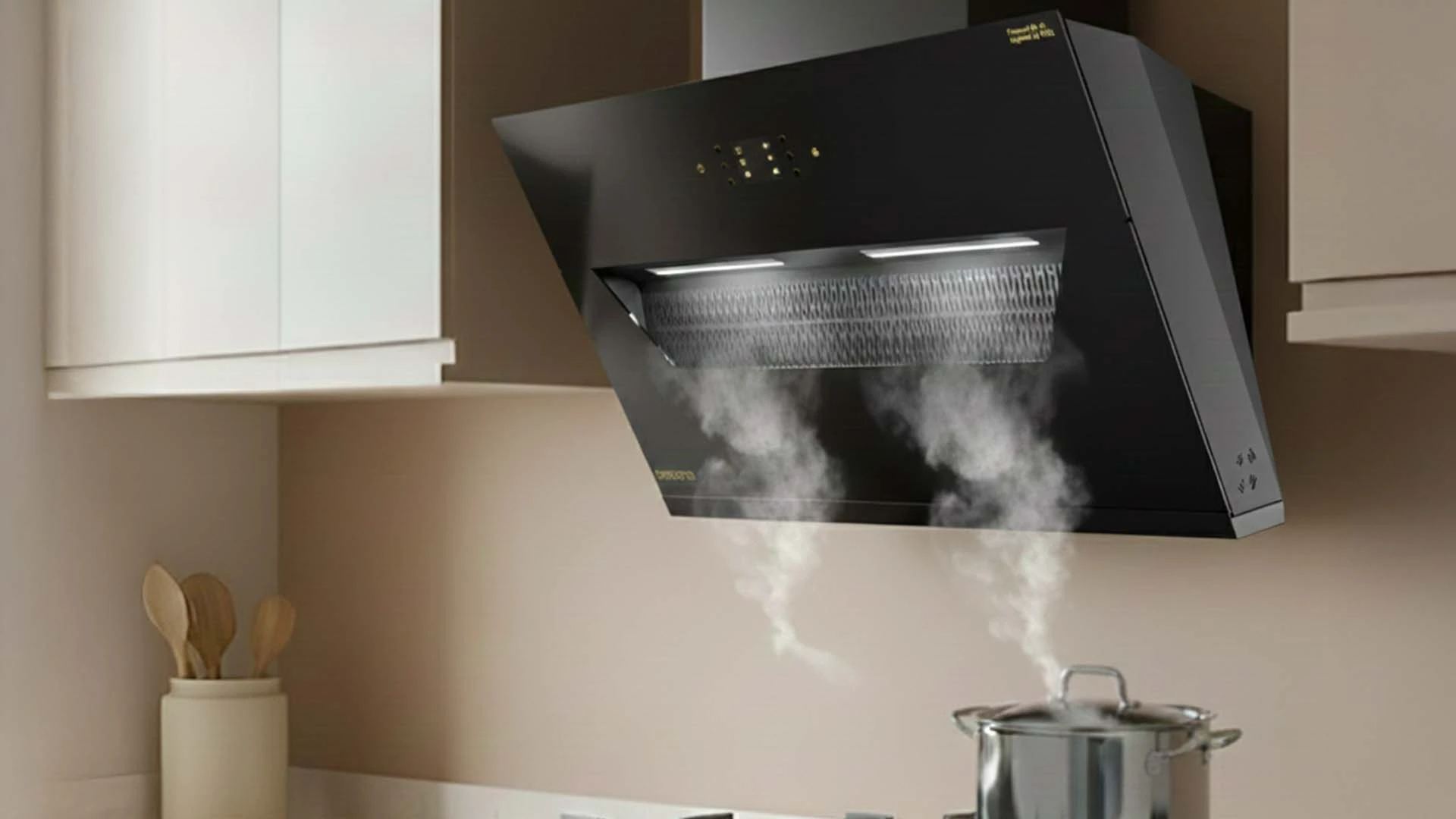
Choosing the right kitchen chimney can transform your cooking experience from smoky chaos to pleasant culinary adventures. With countless options flooding the market, understanding which kitchen chimney features to look for becomes crucial for making an informed decision. Modern kitchens demand efficient ventilation systems that not only remove smoke and odors but also complement your kitchen's aesthetic appeal. Whether you're renovating your existing kitchen or setting up a new one, the right chimney features can make all the difference in creating a comfortable cooking environment.
When evaluating different chimney models, certain core features determine the overall performance and user satisfaction. Understanding these fundamental aspects helps you prioritize your requirements and budget allocation effectively.
The heart of any effective kitchen chimney lies in its suction power, measured in cubic feet per minute (CFM). For average Indian kitchens ranging from 100-200 square feet, a suction capacity between 400-800 CFM proves adequate for regular cooking needs. Larger kitchens or those with heavy cooking requirements benefit from higher capacities reaching 1000-1200 CFM. Dual motor systems offer superior performance compared to single motor configurations, providing better smoke extraction and longer operational life.
Modern chimneys employ various filtration technologies, each serving specific purposes. Baffle filters excel in grease separation and require minimal maintenance, making them ideal for Indian cooking styles. Cassette filters offer decent performance at budget-friendly prices but need frequent cleaning. Charcoal filters work best in ductless systems, effectively removing odors through activated carbon absorption.
Quality chimneys operate below 50 decibels, ensuring comfortable conversation during cooking. Advanced sound dampening features and strategic motor placement significantly reduce operational noise. Premium models incorporate insulation materials that minimize vibration and sound transmission, creating a peaceful cooking environment.
Different kitchen layouts and personal preferences call for specific chimney designs and installation types. Understanding available options helps match your space requirements with optimal functionality.
Space-constrained kitchens benefit from slim profile models measuring 6-8 inches in depth. Wall-mounted designs maximize counter space while providing adequate ventilation coverage. Corner installations work perfectly for L-shaped kitchen layouts, optimizing available wall space efficiently.
Contemporary kitchen designs favor straight-line chimneys with clean geometric profiles. Curved glass models add premium aesthetics while maintaining functional efficiency. Island configurations require specialized mounting systems but create stunning focal points in open kitchen designs.
Ductless chimneys offer installation flexibility without external venting requirements, making them suitable for apartments and rental properties. However, ducted systems provide superior smoke removal performance by expelling contaminated air outside. Consider your building's ventilation infrastructure when choosing between these options.
Modern chimneys incorporate intelligent features that enhance user convenience and operational efficiency. These technological advances justify higher price points through improved functionality and reduced maintenance requirements.
Heat auto-clean systems use thermal cleaning cycles to remove accumulated grease and oil deposits automatically. Oil collector mechanisms gather liquid residues in removable containers, simplifying maintenance routines. These features significantly reduce manual cleaning frequency and ensure consistent performance over time.
LED lighting systems consume minimal power while providing excellent illumination for cooking surfaces. Variable speed controls allow users to adjust suction power based on cooking intensity, optimizing energy consumption. Timer functions and automatic shut-off features prevent unnecessary power usage, keeping operational costs low.
Touch panel controls offer intuitive operation and easy cleaning compared to traditional push buttons. Remote control functionality enables convenient operation from anywhere in the kitchen. Digital displays provide real-time information about filter status, cleaning schedules, and operational parameters.
Proper sizing and installation planning ensure optimal chimney performance and longevity. These factors directly impact both functionality and safety aspects of your kitchen ventilation system.
Chimney width should match or exceed your cooktop dimensions for effective smoke capture. Standard installations require 24-30 inches clearance between the cooking surface and chimney bottom. Kitchen area calculations help determine appropriate suction capacity requirements for efficient air circulation.
Electrical requirements typically include dedicated 15-amp circuits for safe operation. Professional installation ensures proper mounting, electrical connections, and ductwork alignment. Structural support assessment prevents mounting failures and ensures long-term stability.
Beyond basic suction power, several performance indicators determine how effectively your chimney handles real-world cooking challenges. These factors become particularly important for heavy cooking households and commercial-style home kitchens.
Effective chimneys achieve 8-12 air changes per hour for optimal kitchen ventilation. Cross-ventilation requirements ensure proper air circulation throughout the cooking area. Grease capture effectiveness prevents accumulation on kitchen surfaces and reduces cleaning requirements.
Stainless steel construction offers superior corrosion resistance compared to aluminum alternatives. Quality components ensure consistent performance over years of regular use. Comprehensive warranty coverage and reliable service support protect your investment long-term.
Indian cooking styles present unique challenges requiring specialized chimney features and capabilities. Understanding these requirements helps select models optimized for local cooking preferences and techniques.
Frequent high-temperature cooking generates substantial oil vapors and smoke requiring robust filtration systems. Heat-resistant materials withstand extreme temperatures without degradation. Heavy-duty components handle continuous operation during extended cooking sessions.
Multiple burner coverage accommodates simultaneous cooking on various heat sources. Spice grinding and frying adaptations handle fine particle filtration effectively. Regional cooking methods like tandoor-style preparations require specialized ventilation considerations.
Focus on suction power between 400-800 CFM for average kitchens, noise levels under 50dB, efficient baffle filters, auto-clean functionality, and design compatibility with your kitchen layout. Consider energy-efficient LED lighting and variable speed controls for optimal performance.
Consider chimney size matching your cooktop, adequate suction power for your cooking style, filter type and maintenance requirements, noise levels, auto-cleaning features, and aesthetic appeal. Budget for professional installation and factor in long-term maintenance costs.
Modern kitchen chimneys include variable suction power, multiple filter types, noise control technology, auto-clean functions, LED lighting, timer controls, and energy-efficient motors. Advanced models offer smart controls, digital displays, and remote operation capabilities.
Baffle filter chimneys with high suction power (600+ CFM) work best for Indian cooking due to heavy oil and spice usage. Auto-clean features and heat-resistant materials are essential for frequent high-heat cooking. Ducted systems provide superior performance for heavy cooking households.
Quality kitchen chimneys range from INR 8,000 for basic models to INR 50,000 for premium options with advanced features. Factor in installation costs (INR 2,000-5,000) and potential ductwork modifications. Consider long-term value through energy efficiency and reduced maintenance requirements.
Professional installation ensures proper mounting, electrical connections, and safety compliance. Complex installations involving ductwork or structural modifications require expert handling. Many manufacturers offer free installation services, making professional setup cost-effective and reliable.
Selecting the right kitchen chimney involves balancing performance requirements with budget constraints and aesthetic preferences. Prioritize essential features like adequate suction power, efficient filtration, and noise control over fancy additions that may not add practical value. Consider your cooking habits, kitchen size, and installation requirements when evaluating different models. Remember that a well-chosen chimney serves as a long-term investment in your kitchen's functionality and your family's comfort. Take time to research thoroughly, compare specifications, and choose models from reputable manufacturers offering reliable after-sales support.
