
How to Choose the Best Ductless Range Hood
Cart
Your cart is empty
Modern kitchens face unique ventilation challenges, especially in apartments, condos, and homes where traditional ductwork isn't feasible. Whether you're dealing with rental restrictions, structural limitations, or simply want a more flexible solution, kitchen ventilation without ducts offers an effective alternative. Ductless range hoods have evolved significantly, providing powerful filtration and odor control without the need for external venting. This comprehensive guide will help you navigate the world of ventless kitchen solutions and find the perfect recirculating range hood for your cooking space.
A ductless range hood operates on a fundamentally different principle than traditional vented systems. Instead of expelling air outside through ducts, these units filter and recirculate air back into your kitchen. The process involves multiple filtration stages that capture grease, smoke, and odors before returning clean air to your cooking space.
The filtration process begins with aluminum mesh or baffle filters that capture grease and larger particles. Air then passes through activated charcoal filters that neutralize odors and absorb volatile compounds. Finally, the cleaned air is recirculated back into the kitchen through strategically placed vents. This multi-stage approach ensures effective kitchen ventilation without ducts while maintaining indoor air quality.
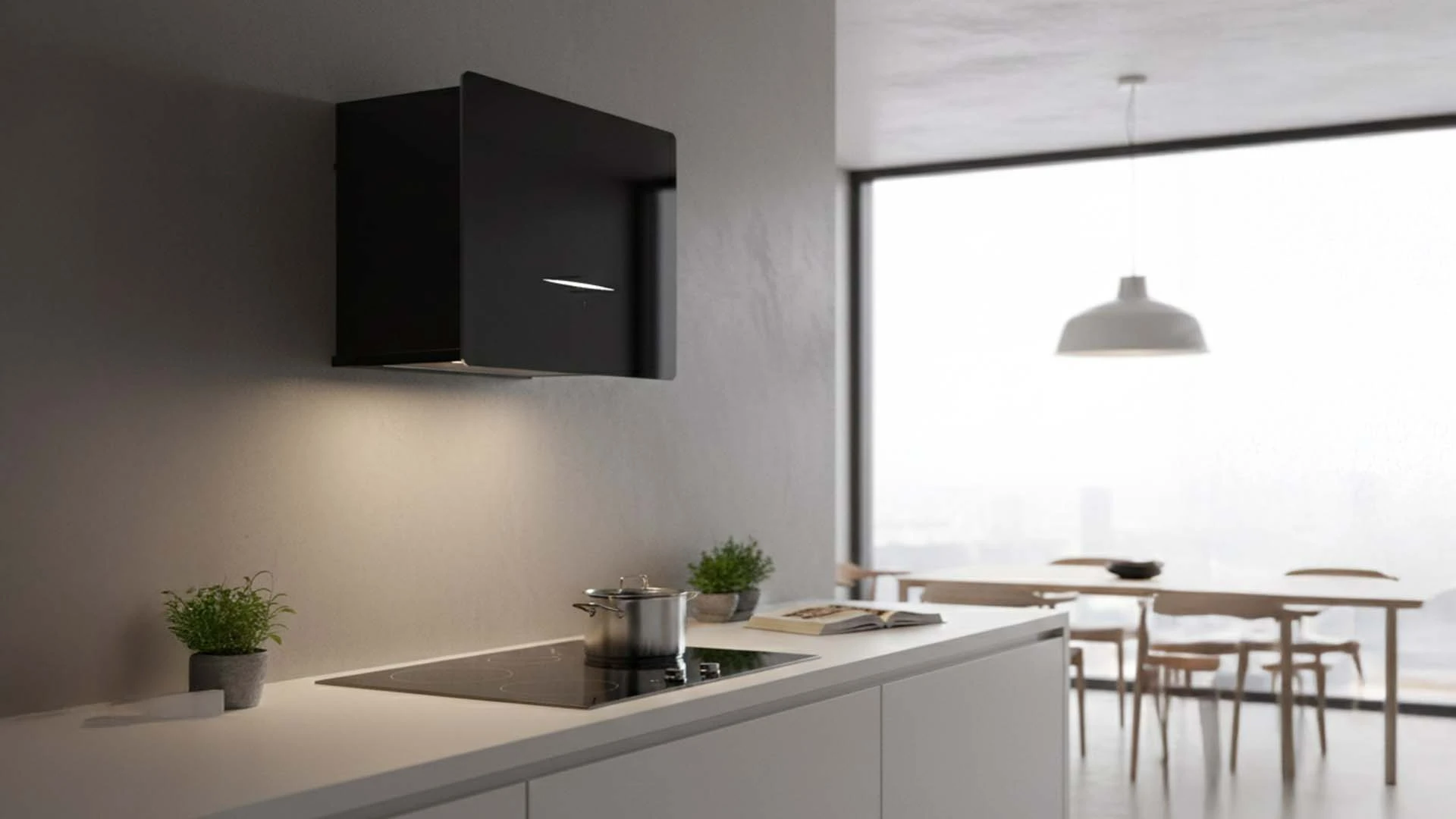
Several design options cater to different kitchen layouts and preferences. Under cabinet range hood models mount beneath existing cabinetry, maximizing space efficiency. Wall-mounted chimney-style units provide powerful suction for larger cooking surfaces. Portable kitchen ventilation units offer flexibility for temporary installations or unique kitchen configurations. Downdraft ventilation systems emerge from countertops, ideal for kitchen islands where overhead installation isn't practical.
Choosing a ductless range hood offers numerous advantages over traditional vented systems. Installation flexibility ranks among the top benefits, as these units don't require complex ductwork modifications. This makes them perfect for apartments, condos, and rental properties where structural changes aren't permitted.
The absence of ductwork eliminates the need for exterior wall penetrations or roof modifications. Installation typically takes a few hours rather than days, reducing both labor costs and kitchen downtime. Compact range hood designs integrate seamlessly with modern kitchen aesthetics while providing necessary ventilation. Many models feature sleek profiles that complement contemporary cabinetry and appliances.
Initial installation costs remain significantly lower than ducted systems. You'll save on ductwork materials, professional installation fees, and potential structural modifications. Operating costs also tend to be lower, as these units typically consume less energy than powerful exhaust fans. Maintenance involves simple filter replacements rather than duct cleaning services.
Selecting the right ductless range hood requires careful consideration of several key features. Performance specifications directly impact effectiveness, while design elements affect kitchen aesthetics and functionality.
High-quality filtration forms the foundation of effective kitchen ventilation without ducts. Look for models with multi-layer aluminum mesh filters that capture grease efficiently. Activated charcoal filters should be easily replaceable and provide long-lasting odor control. Some advanced units feature washable filters that reduce long-term operating costs. Filter replacement indicators help maintain optimal performance by alerting you when changes are needed.
CFM (Cubic Feet per Minute) ratings indicate suction power, with higher numbers providing better ventilation for larger cooking surfaces. For Indian cooking, which often involves high-heat preparations and aromatic spices, consider units with at least 300-400 CFM capacity. Noise levels matter significantly in open kitchen designs, so look for models operating below 65 decibels. Multiple speed settings allow you to adjust ventilation based on cooking intensity.
Touch controls provide easy operation and complement modern kitchen ventilation aesthetics. LED lighting illuminates cooking surfaces while consuming minimal energy. Timer functions automatically shut off the unit after cooking, preventing unnecessary energy consumption. Some models include heat sensors that automatically adjust fan speed based on cooking temperature.
Kitchen size, layout, and cooking habits influence the ideal ductless range hood selection. Understanding your specific needs ensures optimal performance and satisfaction.
Small kitchens benefit from space-efficient designs that maximize functionality without overwhelming the space. Under cabinet range hood models provide excellent ventilation while preserving valuable storage space. Minimum clearance requirements typically range from 24-30 inches above gas cooktops and 18-24 inches above electric surfaces. Multi-functional designs combine ventilation with additional storage or lighting features.
Rental properties often restrict permanent modifications, making portable kitchen ventilation an attractive option. Plug-and-play models require minimal installation and can be easily removed when moving. Wall-mounted units with simple bracket systems avoid complex mounting procedures. Consider models with adjustable mounting heights to accommodate different ceiling configurations.
Open kitchens require more powerful ventilation to prevent cooking odors from spreading throughout living spaces. Island installations may benefit from downdraft ventilation systems that don't obstruct sight lines. Aesthetic integration becomes crucial in these layouts, so choose models that complement your overall design scheme.
Proper installation ensures optimal performance and safety. While many ductless range hood models offer straightforward installation, following manufacturer guidelines prevents common issues.
Measure your cooktop width and add 6-12 inches on each side for optimal coverage. Verify electrical requirements, as most units need dedicated 120V circuits. Check cabinet dimensions for under cabinet range hood installations to ensure proper fit. Consider the weight capacity of mounting surfaces, especially for larger chimney-style units.
Begin by marking mounting points using the provided template. Drill pilot holes carefully to avoid damaging cabinets or walls. Secure mounting brackets according to manufacturer specifications, ensuring level installation. Connect electrical wiring following local codes and safety guidelines. Install filters and test all functions before regular use.
Regular maintenance ensures your ductless range hood continues providing effective kitchen ventilation without ducts. Proper care extends unit lifespan and maintains optimal performance.
Grease filters require cleaning every 2-4 weeks, depending on cooking frequency and food types. Most aluminum filters are dishwasher-safe for convenient cleaning. Charcoal filters need replacement every 3-6 months, as they cannot be cleaned effectively. Heavy cooking or frequent frying may require more frequent filter changes.
Start your recirculating range hood before cooking begins to establish proper airflow. Continue operation for 10-15 minutes after cooking to clear remaining odors and particles. Use appropriate fan speeds for different cooking methods - high heat cooking requires maximum ventilation. Keep filters clean to maintain suction power and prevent motor strain.
Yes, modern ductless range hoods work well for Indian cooking when properly sized. Choose models with higher CFM ratings (400+ CFM) and quality charcoal filters to handle spices and high-heat cooking. Regular filter maintenance becomes especially important with frequent use of oils and aromatic ingredients.
Absolutely. Ductless range hoods are specifically designed for installation without external venting. They use internal filtration systems to clean air before recirculating it back into the kitchen. This makes them perfect for apartments, condos, and homes where ductwork installation isn't feasible.
Modern ductless range hoods provide effective ventilation for most cooking situations. While they may not match the raw power of high-end ducted systems, they successfully remove grease, reduce odors, and improve air quality. Effectiveness depends on proper sizing, quality filtration, and regular maintenance.
While both improve air quality, ductless range hoods are specifically designed for cooking ventilation. They mount above cooking surfaces and provide targeted suction for grease and smoke. Kitchen air purifiers typically sit on counters or mount elsewhere, providing general air cleaning rather than focused cooking ventilation.
Selecting the best ductless range hood requires balancing performance, design, and budget considerations. Focus on filtration quality, appropriate CFM ratings for your cooking style, and features that match your kitchen layout. Kitchen ventilation without ducts offers excellent flexibility and performance when properly implemented. Regular maintenance ensures long-term effectiveness and extends unit lifespan. Consider your specific cooking habits, kitchen size, and aesthetic preferences when making your final selection.
