
How to Choose the Best Chimney Types for Homes
Cart
Your cart is empty
Choosing the right chimney for your home can feel overwhelming with so many options available today. The wrong choice can lead to poor air quality, lingering cooking odors, and an inefficient kitchen environment. With Indian cooking styles involving heavy use of spices and oils, selecting the best chimney types for homes becomes even more critical. This comprehensive guide will walk you through different chimney types, modern design trends, essential materials, and sizing considerations to help you make an informed decision. Whether you have a compact kitchen or a spacious cooking area, understanding your options will ensure you invest in a chimney that enhances both functionality and aesthetics.
Selecting the right chimney types depends largely on your kitchen layout, cooking habits, and space constraints. Each type offers unique advantages and is designed to address specific kitchen configurations and user needs.
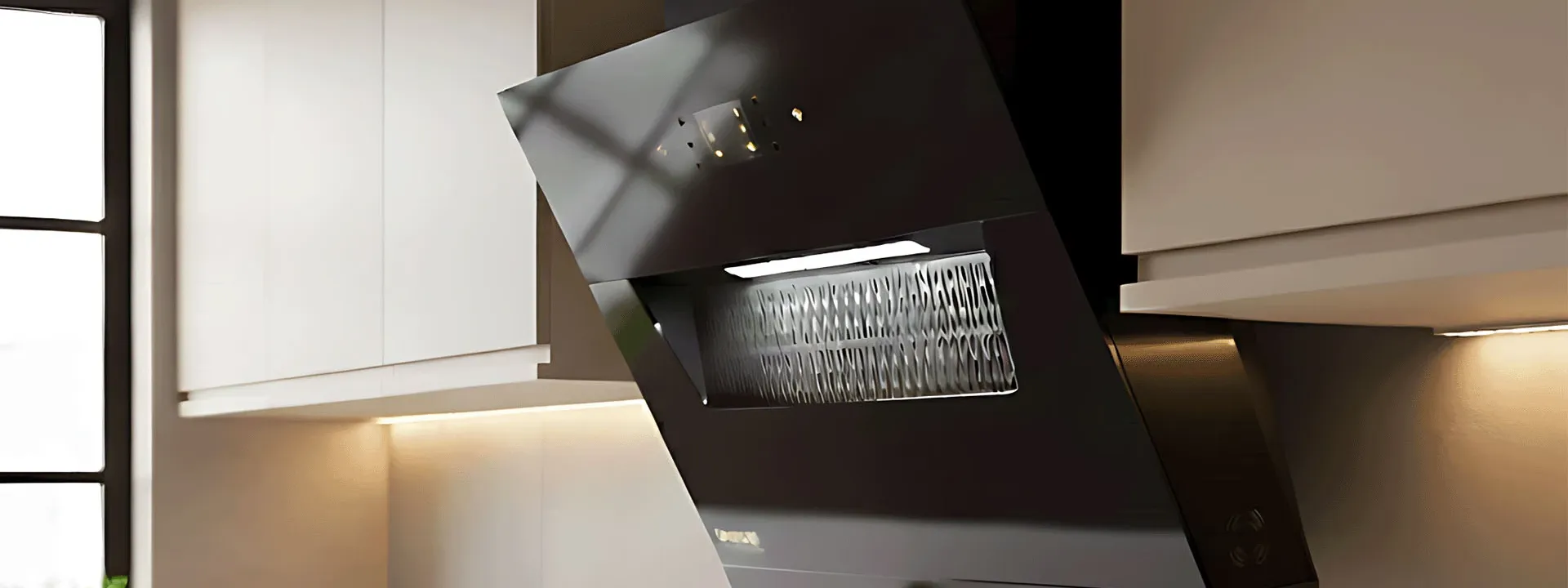
Wall-mounted chimneys are the most popular choice for standard kitchen setups where the cooking area is positioned against a wall. These residential chimneys offer excellent suction power ranging from 400 to 1500 cubic meters per hour, making them suitable for various kitchen sizes. The installation process is straightforward, requiring minimal structural modifications. They work exceptionally well for Indian cooking styles that involve heavy frying and spice usage, effectively capturing smoke and odors at the source.
Island chimneys are perfect for open kitchen designs where the cooking area is centrally located. These units provide 360-degree suction capabilities, ensuring comprehensive smoke and odor removal from all directions. They serve as both functional appliances and design statements, adding a premium aesthetic appeal to modern homes. The installation requires ceiling mounting and proper ducting, making them ideal for spacious kitchens with adequate ceiling height.
Built-in chimneys offer seamless integration with modular kitchen designs, creating a clean and uncluttered appearance. These units are installed within kitchen cabinets, making them an excellent space-saving solution for compact homes. The hidden installation provides a streamlined look while maintaining powerful suction capabilities. They are particularly beneficial for homeowners who prioritize minimalist design aesthetics.
Corner chimneys are specifically designed for L-shaped kitchen layouts where the cooking area is positioned in a corner. These units optimize space utilization while providing effective smoke extraction. They are particularly useful for small homes where every square foot matters. The angled design ensures proper coverage of corner cooking setups while maintaining aesthetic appeal.
Today's modern chimney styles blend functionality with contemporary aesthetics, offering homeowners sophisticated options that complement their kitchen design. The focus has shifted toward sleek profiles, smart technology integration, and energy-efficient operation.
Minimalist chimney designs feature clean lines and premium finishes that seamlessly integrate with contemporary kitchen aesthetics. Stainless steel and glass combinations create a sophisticated look while ensuring durability and easy maintenance. These designs eliminate unnecessary decorative elements, focusing on pure functionality and visual appeal. The streamlined appearance makes kitchens look more spacious and organized.
Compact chimney designs cater specifically to small homes and apartments where space is at a premium. These units typically feature slim profiles ranging from 45 to 60 centimeters in width, making them perfect for narrow kitchen layouts. Despite their smaller size, they incorporate multi-functional features and maintain impressive suction power. The compact chimney options are ideal for urban homes where efficient space utilization is crucial.
Modern chimneys now incorporate smart technology features such as auto-clean functions, sensor controls, and LED lighting systems. Touch panel controls provide intuitive operation, while energy-efficient modes help reduce electricity consumption. Some models include Wi-Fi connectivity, allowing remote operation through smartphone apps. These technological advances make chimney operation more convenient and user-friendly.
Understanding chimney materials and construction quality is crucial for making a long-term investment. The right materials ensure durability, easy maintenance, and optimal performance under various cooking conditions.
Stainless steel remains the preferred material for chimney construction due to its exceptional durability and corrosion resistance. This material withstands high temperatures and heavy usage typical in Indian kitchens. The non-porous surface prevents grease accumulation and makes cleaning effortless. Stainless steel chimneys offer excellent value for money, providing long-term reliability with minimal maintenance requirements.
Tempered glass components add aesthetic appeal while providing heat resistance and safety features. The glass surfaces are easy to clean and maintain their clarity over time. These components enhance the modern look of chimneys while ensuring user safety during operation. Regular cleaning with appropriate glass cleaners maintains their pristine appearance and functionality.
Baffle filter technology uses curved metal plates to separate grease and oil particles from smoke, requiring regular cleaning but offering excellent filtration efficiency. Filterless technology eliminates the need for traditional filters, using centrifugal force to separate particles. For Indian cooking styles involving heavy oil usage, both technologies offer distinct advantages. Baffle filters provide superior grease separation, while filterless systems reduce maintenance requirements.
Selecting appropriate size and capacity ensures optimal performance and energy efficiency. The chimney for small homes requires careful consideration of space constraints while maintaining adequate suction power.
Small kitchens up to 100 square feet require chimneys with 400 to 600 cubic meters per hour suction capacity. Medium kitchens ranging from 100 to 200 square feet need 600 to 1000 cubic meters per hour capacity. Large kitchens exceeding 200 square feet require 1000 cubic meters per hour or higher capacity. These guidelines ensure adequate air circulation and effective smoke removal based on kitchen volume.
Indian cooking styles involving heavy frying and extensive spice usage require higher suction power compared to continental cooking. The chimney should handle oil vapors, strong aromas, and dense smoke effectively. Balancing suction power with noise levels is important for comfortable kitchen operation. Higher capacity units may produce more noise, so consider sound dampening features when selecting powerful models.
Ducted chimneys provide superior performance by expelling air outside the home, making them ideal for heavy cooking. Ductless options work well for rental properties or homes where external ducting is not feasible. Installation complexity varies significantly between these options, with ducted systems requiring professional installation and proper ventilation planning. Consider long-term performance benefits when choosing between these installation types.
Indian cooking presents unique challenges that require specific chimney features and capabilities. Understanding these requirements helps in selecting the most suitable chimney options for local cooking styles.
Indian cuisine involves extensive use of oils and spices, creating challenging conditions for chimney operation. Auto-clean technology becomes essential for managing grease accumulation and maintaining optimal performance. Heat-resistant materials ensure the chimney withstands high-temperature cooking methods common in Indian kitchens. Efficient grease and oil filtration systems prevent clogging and maintain consistent suction power.
India's humid climate requires chimneys with superior corrosion resistance to prevent premature deterioration. Monsoon seasons bring additional moisture challenges that quality materials must withstand. Proper ventilation planning accounts for seasonal weather variations and maintains consistent performance. Stainless steel construction with appropriate protective coatings ensures longevity in humid conditions.
Entry-level chimneys can provide excellent value when selected carefully, focusing on essential features rather than premium aesthetics. Prioritizing reliable suction power, easy maintenance, and durable construction over advanced features helps manage costs. Consider long-term operational costs including electricity consumption and maintenance requirements when evaluating budget options. Quality basic models often outperform feature-rich units with poor construction.
Proper installation and regular maintenance ensure optimal chimney performance and longevity. Following manufacturer guidelines and professional recommendations prevents common issues and maintains warranty coverage.
Electrical connections must comply with local safety codes and manufacturer specifications to ensure safe operation. Ducting installation requires proper sizing and routing to maintain optimal airflow and prevent backdraft issues. Safety clearances from combustible materials and adequate structural support prevent fire hazards and ensure stable mounting. Professional installation typically includes warranty coverage and ensures compliance with building codes.
Weekly cleaning routines should include wiping external surfaces and checking for visible grease accumulation. Monthly deep cleaning involves removing and washing filters, cleaning internal surfaces, and inspecting moving parts. Annual professional servicing includes motor maintenance, electrical connection checks, and performance optimization. Following manufacturer maintenance schedules prevents major issues and extends chimney lifespan.
Reduced suction power often results from clogged filters or blocked ducting, requiring thorough cleaning and inspection. Excessive noise may indicate loose components, worn bearings, or improper installation requiring professional attention. Regular filter replacement according to manufacturer schedules prevents performance degradation and maintains air quality. Addressing minor issues promptly prevents costly repairs and ensures consistent operation.
Wall-mounted chimneys with baffle filter technology work best for Indian cooking due to their powerful suction and effective grease separation. They handle heavy oil usage and strong spices efficiently while offering easy maintenance.
Small kitchens typically require chimneys with 400-600 cubic meters per hour capacity. Consider compact models with 60cm width that provide adequate performance without overwhelming the space.
Ductless chimneys can work for light to moderate Indian cooking but may struggle with heavy frying and oil-intensive preparations. They are suitable for apartments where ducting installation is not possible.
Baffle filters should be cleaned weekly for heavy cooking and bi-weekly for moderate use. Filterless chimneys require monthly internal cleaning to maintain optimal performance.
Quality chimneys typically last 8-12 years with proper maintenance. Stainless steel construction and regular servicing can extend lifespan significantly.
Selecting the best chimney types for homes requires careful consideration of kitchen layout, cooking habits, and space constraints. Wall-mounted chimneys suit most Indian kitchens, while island and built-in options cater to specific design preferences. Modern chimney styles emphasize sleek aesthetics and smart technology integration without compromising functionality. Quality materials like stainless steel ensure durability and easy maintenance, essential for Indian cooking conditions. Proper sizing based on kitchen dimensions and cooking intensity ensures optimal performance and energy efficiency. Professional installation and regular maintenance maximize chimney lifespan and maintain consistent operation. Consider your specific needs, budget, and long-term requirements when making this important kitchen investment.
