

How to Choose a Cooktop: Complete Buyer's Guide
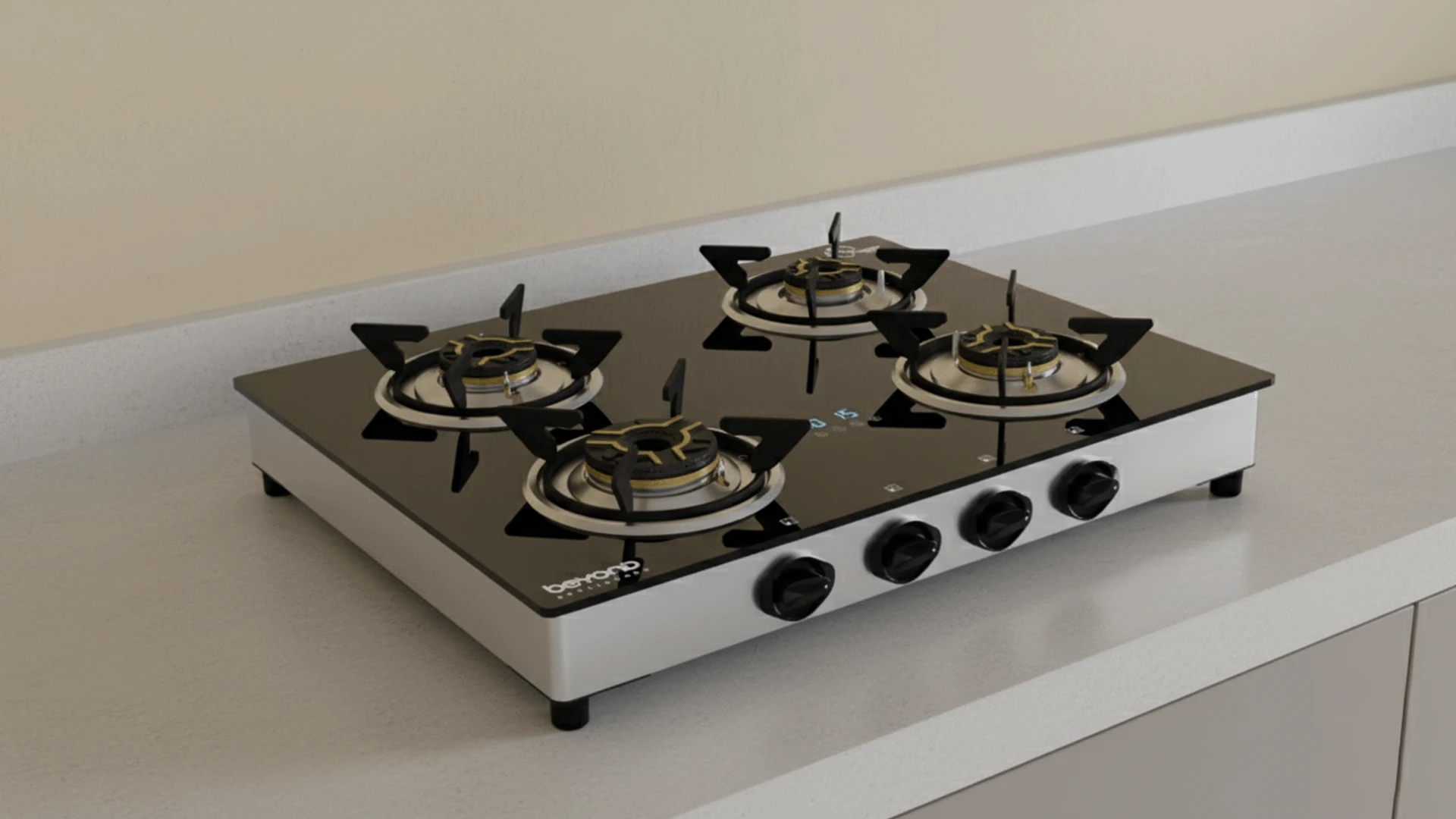
Choosing the right cooktop transforms your cooking experience and kitchen efficiency. With gas, electric, and induction options available, each type offers unique benefits for different cooking styles and kitchen setups. Understanding cooktop features, installation requirements, and dimensions helps you make an informed decision that matches your lifestyle and budget. Modern cooktops combine advanced technology with practical design, making meal preparation faster and more enjoyable.
When learning how to choose a cooktop, understanding the different types available is essential. Each cooktop type uses different heating methods and offers distinct advantages for various cooking needs. The four main categories include gas, electric, induction, and downdraft cooktops.
Gas cooktops provide instant flame control and visual heat indication. The open flame mechanism allows immediate temperature adjustments, making them ideal for techniques like stir-frying and searing. Natural gas connections are common in urban areas, while propane options work well for rural homes. Professional chefs often prefer gas for its responsive heat control and ability to work with any cookware type.
Electric cooktops come in coil and smooth-top varieties, offering consistent heat distribution. Coil elements are budget-friendly and easy to replace, while smooth-top versions provide sleek aesthetics and easier cleaning. Electric cooktops maintain steady temperatures well, making them excellent for simmering sauces and slow cooking. They require 220V electrical connections and work with all cookware materials.
Induction cooktops use electromagnetic fields to heat compatible cookware directly. This technology offers superior energy efficiency, with up to 90% of energy transferred to food compared to 40-50% for gas. Induction surfaces stay cool during cooking, reducing burn risks and kitchen heat. However, they require magnetic cookware like cast iron or stainless steel with magnetic bottoms.
Downdraft cooktops integrate ventilation systems directly into the cooking surface. The built-in ventilation pulls cooking vapors downward, eliminating the need for overhead range hoods. These units work well for kitchen islands where traditional ventilation is challenging. Installation requires adequate space below for ductwork and ventilation fans.
Modern cooktops offer various features that enhance cooking convenience and safety. Understanding these features helps you prioritize what matters most for your cooking style and family needs. Consider both basic functionality and advanced features when making your selection.
Standard cooktops feature 4, 5, or 6 burners in different arrangements. Power ratings typically range from 1.5 KW to 3.5 KW for optimal cooking performance. Specialized burners include high-power options for quick boiling, simmer burners for delicate sauces, and griddle attachments for breakfast foods. When comparing induction models, 1600 watt units heat faster than 1200 watt versions but consume more energy.
Control options include traditional knobs and modern touch controls. Touch controls offer precise temperature settings and are easier to clean, while knobs provide tactile feedback preferred by many cooks. Safety features like child locks, automatic shut-off, and residual heat indicators protect families. Timer functions and preset cooking modes add convenience for busy households.
Stainless steel surfaces resist stains and scratches while maintaining professional appearance. Glass-top electric and induction cooktops offer sleek aesthetics but require careful cleaning to prevent scratches. Cast iron grates on gas cooktops provide durability and even heat distribution. Consider maintenance requirements and your kitchen's overall design when selecting surface materials.
Proper sizing ensures your new cooktop fits perfectly and functions safely in your kitchen space. Measuring accurately and understanding installation requirements prevents costly modifications and ensures optimal performance. Consider both current needs and future kitchen plans when selecting dimensions.
Standard cooktop dimensions include 30-inch, 36-inch, and 48-inch widths. Measure your existing cutout carefully, noting the difference between cutout dimensions and overall unit dimensions. Allow proper clearance around the cooktop for safety and ventilation. Most installations require 2-3 inches of clearance on each side and adequate space behind for connections.
Island installations offer flexibility but require careful planning for utilities and ventilation. Counter installations work well with existing range hood systems. Consider workflow patterns and ensure adequate prep space around the cooking area. Plan for electrical or gas line access during the design phase to avoid expensive modifications later.
Understanding installation needs helps budget accurately and ensures safe operation. Different cooktop types have specific requirements for utilities, ventilation, and professional installation. Planning these details early prevents delays and additional costs during kitchen renovations.
Gas installations require proper gas line sizing and professional connection for safety. Natural gas lines need adequate pressure and flow rates for optimal burner performance. Propane installations require tank connections and pressure regulators. Local building codes specify clearance requirements and ventilation needs. Professional installation ensures compliance with safety regulations and warranty requirements.
Electric cooktops typically require 220V circuits with appropriate amperage ratings. Induction units may need dedicated circuits due to their power requirements. Professional electricians ensure proper wiring and circuit protection. Some installations allow DIY setup, but electrical work should meet local codes. Plan for adequate ventilation even though electric cooktops produce less heat than gas.
Comparing performance characteristics helps identify the best cooktop type for your cooking style and kitchen setup. Each technology offers distinct advantages in different areas like speed, control, efficiency, and maintenance. Consider both immediate needs and long-term satisfaction when making your choice.
Gas cooktops provide instant heat adjustment and work during power outages. Electric cooktops offer consistent temperatures ideal for simmering and slow cooking. Induction cooktops heat fastest and provide precise temperature control with excellent energy efficiency. Cleaning ease varies, with smooth surfaces being easiest to maintain and gas grates requiring more attention.
Initial purchase prices vary significantly between types and brands. Gas cooktops typically cost INR 15,000 to INR 80,000 depending on features and size. Electric models range from INR 12,000 to INR 60,000, while induction cooktops cost INR 20,000 to INR 1,00,000. Installation costs depend on existing utilities and complexity. Operating costs favor induction for efficiency, though local utility rates affect long-term expenses.
Professional-style cooking benefits from gas cooktops' responsive flame control. Families with young children may prefer induction cooktops' cool surfaces and safety features. Frequent entertainers appreciate multiple burner configurations and high-power options. Environmental considerations favor electric and induction cooktops in areas with clean electricity sources.
Consider your kitchen layout, preferred fuel type, cooking style, and budget. Measure your available space and identify must-have features. Research different types and read reviews to understand real-world performance. Visit showrooms to see units in person and test controls.
Higher wattage provides faster heating and better performance for large pots. Choose 1600 watt for frequent cooking and larger families. Select 1200 watt for basic cooking needs and energy conservation. Consider your electrical capacity and local energy costs.
Yes, 2.5 kW falls within the optimal 1.5-3.5 kW range for efficient cooking. This power level handles most cooking tasks effectively while maintaining reasonable energy consumption. Higher wattage is beneficial for frequent high-heat cooking or large family meals.
Four-burner 30-inch cooktops suit most families of 2-4 people. Larger families or frequent entertainers benefit from 36-inch models with 5-6 burners. Consider your cooking frequency and typical meal complexity when selecting size.
Selecting the right cooktop involves balancing performance needs, kitchen constraints, and budget considerations. Gas cooktops excel in responsive control, electric models provide consistent heating, and induction offers superior efficiency and safety. Proper measurement and installation planning ensure successful integration into your kitchen. Consider long-term satisfaction factors like maintenance requirements, energy costs, and cooking flexibility when making your final decision. Quality cooktops enhance both cooking performance and kitchen aesthetics while providing years of reliable service.
