

How to Automate Your Chimney Maintenance Routine
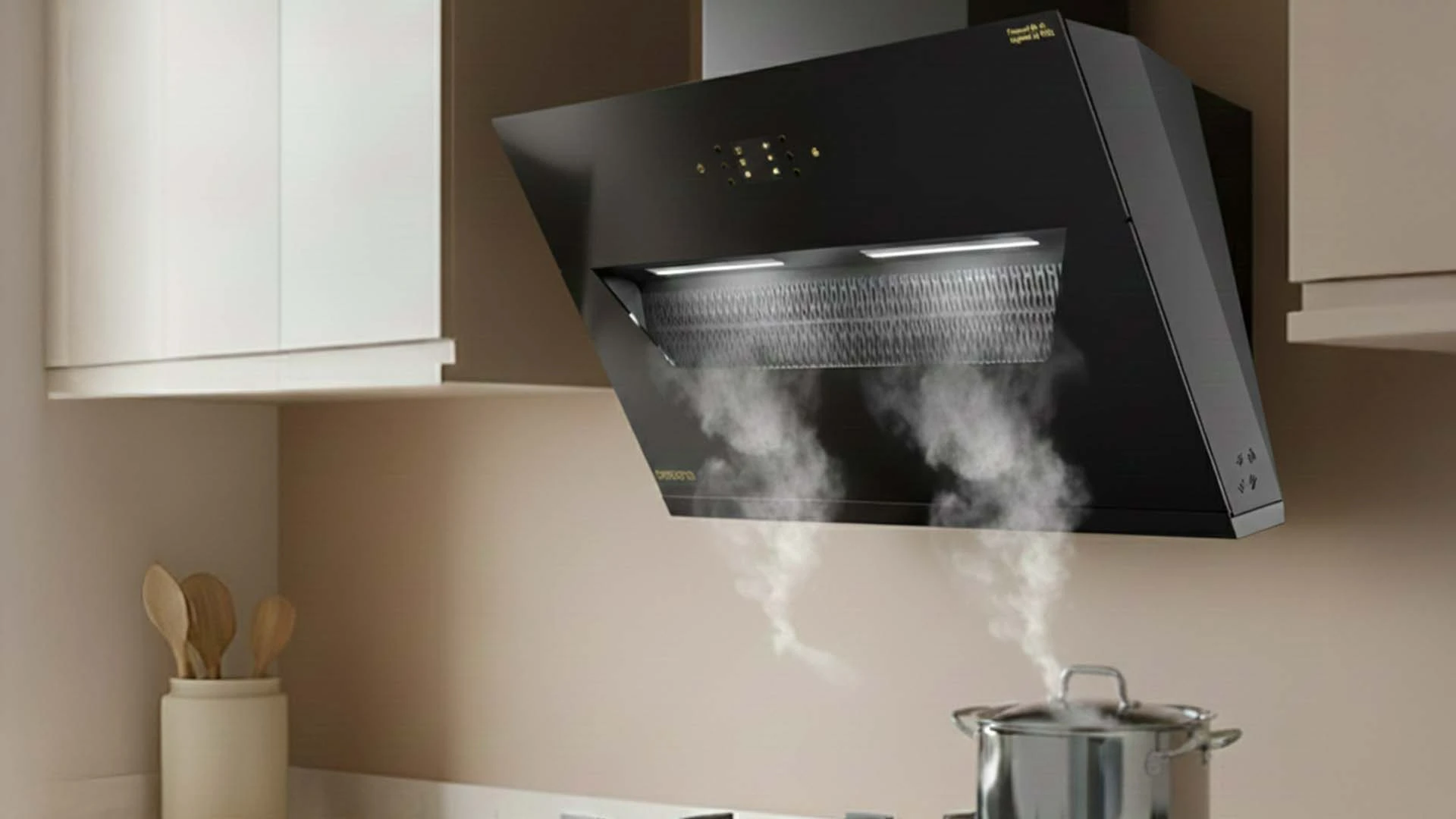
Modern kitchen chimneys have revolutionized how we approach chimney maintenance, making it easier than ever to keep your cooking space clean and efficient. With advanced auto-clean technologies and smart features, maintaining your chimney no longer requires extensive manual labor or frequent professional visits. Understanding automatic chimney maintenance tips can save you time, money, and ensure your kitchen remains a pleasant cooking environment. Whether you have a traditional ducted system or innovative ductless models, implementing the right maintenance routine protects your investment and enhances performance.
Automatic chimney maintenance represents a significant advancement in kitchen appliance technology. These systems use built-in mechanisms to reduce manual cleaning requirements while maintaining optimal performance. Modern chimneys incorporate various automated features that handle routine maintenance tasks, from oil collection to filter cleaning.
Automatic chimney maintenance refers to built-in systems that perform cleaning and maintenance tasks without manual intervention. These systems use heat, thermal technology, or specialized mechanisms to break down grease and oil deposits. The key difference between manual and automatic maintenance lies in frequency and effort required from users.
Heat auto-clean technology uses high temperatures to dissolve accumulated grease and oil. Thermal auto-clean systems operate similarly but with more precise temperature control. Oil collector mechanisms automatically separate and store cooking residues for easy disposal. BLDC motors provide consistent suction power while requiring minimal maintenance compared to traditional motors.
Implementing proper automatic chimney maintenance tips ensures your appliance operates efficiently for years. Daily care routines prevent major buildup and extend the life of auto-clean systems. Regular attention to small details makes a significant difference in overall performance.
Optimal frequency for auto-clean cycles depends on your cooking habits and chimney type. Heavy cooking requires weekly auto-clean activation, while moderate use needs bi-weekly cycles. Seasonal adjustments account for increased cooking during festivals or reduced usage during certain months.
Weekly external surface cleaning prevents dust accumulation and maintains appearance. Monthly oil collector tray maintenance involves emptying and washing the collection chamber. Filter inspection should occur every two weeks, with replacement schedules varying by filter type. Proper use of auto-clean button functionality requires understanding your specific model's requirements.
Chimney cleaning becomes more manageable with systematic approaches. Following structured processes ensures thorough maintenance while preventing damage to sensitive components. Proper preparation and execution maximize the effectiveness of automatic systems.
Safety precautions include disconnecting power and ensuring adequate ventilation. Pre-cleaning inspection involves checking for visible damage or loose components. Essential tools include microfiber cloths, mild detergent, and protective gloves for handling filters and oil collectors.
Activating auto-clean mode properly requires following manufacturer instructions precisely. Monitoring cleaning cycles ensures the system completes its full operation. Post-cleaning maintenance includes wiping down surfaces and checking oil collection chambers. Troubleshooting common issues involves checking power connections and filter positioning.
Advanced maintenance techniques address specific challenges in chimney maintenance. These methods complement automatic systems and handle situations beyond standard auto-clean capabilities. Understanding when to apply advanced techniques prevents minor issues from becoming major problems.
Creosote removal in kitchen chimneys differs from fireplace applications but remains important for optimal performance. Automatic systems for grease and oil management handle most buildup, but periodic deep cleaning may be necessary. Professional intervention becomes necessary when automatic systems cannot handle severe accumulation.
Mesh filter cleaning techniques involve gentle washing with warm soapy water. Baffle filter maintenance schedules typically require monthly attention for heavy users. Carbon filter replacement guidelines vary by model, with some lasting up to four years. Signs indicating filter replacement include reduced suction power and persistent odors.
Chimney safety protocols ensure your automatic maintenance routine doesn't overlook critical safety aspects. Regular inspections catch potential problems before they affect performance or safety. Combining automatic features with manual safety checks provides comprehensive protection.
Visual inspection checklists include checking for loose screws, damaged filters, and proper mounting. Performance monitoring indicators include suction strength, noise levels, and auto-clean completion. Early warning signs of maintenance needs include unusual sounds, reduced efficiency, or error indicators.
Scheduling professional chimney sweep services annually ensures thorough inspection of internal components. Cost-benefit analysis shows professional maintenance extends appliance life significantly. Warranty considerations often require professional servicing to maintain coverage for automatic systems.
Troubleshooting automatic chimney issues requires understanding common problems and their solutions. Most issues relate to improper maintenance or user error rather than system failures. Systematic troubleshooting approaches resolve problems quickly and prevent recurring issues.
Reduced suction power fixes include cleaning filters and checking for blockages. Unusual noise troubleshooting involves inspecting motor mounts and fan blades. Auto-clean function malfunctions often result from improper activation or power issues. Oil collector overflow prevention requires regular emptying and proper positioning.
Budget-friendly maintenance schedules balance thorough care with cost considerations. Energy-efficient operation tips include using appropriate speed settings and maintaining clean filters. Extending chimney lifespan through proper care provides excellent return on investment for automatic maintenance systems.
Common questions about automatic chimney maintenance help users understand best practices and troubleshoot issues effectively.
Use auto-clean function weekly for heavy cooking, bi-weekly for moderate use. Frequency depends on cooking style, with Indian cooking requiring more frequent cleaning due to oil and spice usage.
Regular filter cleaning, oil collector emptying, external surface wiping, and annual professional inspection ensure comprehensive maintenance beyond automatic features.
Yes, oil collector cleaning at home is safe using warm soapy water. However, internal motor or electrical component cleaning requires professional service to avoid damage.
Persistent odors, reduced suction despite clean filters, unusual noises, or auto-clean function failure indicate professional service requirements.
Automatic chimney maintenance simplifies kitchen care while ensuring optimal performance. Regular use of auto-clean features, combined with basic manual maintenance, keeps your chimney operating efficiently. Understanding your specific model's requirements and following manufacturer guidelines maximizes the benefits of automatic systems. Professional annual maintenance complements automatic features and ensures long-term reliability.
