

How to Achieve Minimalist Kitchen Design: Decluttering Tips
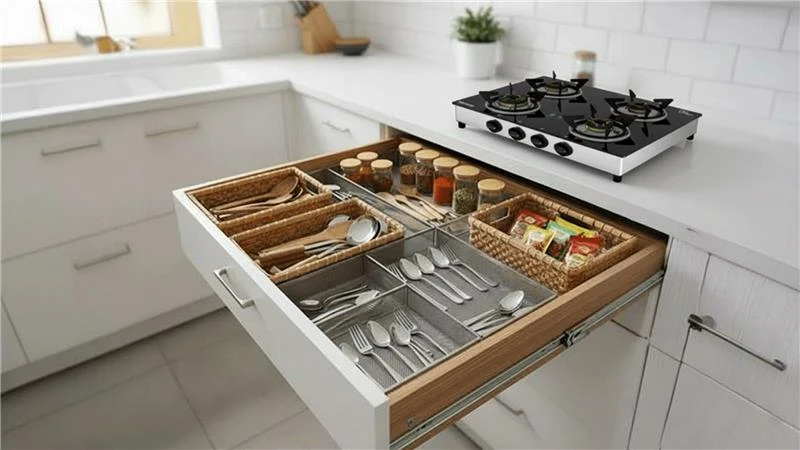
A minimalist kitchen transforms your cooking space into a sanctuary of calm and efficiency. This design philosophy goes beyond simply removing clutter—it creates a thoughtful environment where every element serves a purpose. Modern homemakers increasingly embrace tips for minimalist kitchens to achieve spaces that feel larger, cleaner, and more functional. The key lies in understanding that minimalism doesn't mean sacrificing functionality; instead, it means choosing quality over quantity and creating systems that support your daily cooking routines.
The foundation of any successful minimalist kitchen design rests on understanding core principles that guide every decision. Clean lines and simple geometric forms create visual harmony, while neutral color palettes featuring whites, grays, and natural tones establish a timeless backdrop that never feels outdated.
Quality over quantity becomes your guiding philosophy when selecting everything from appliances to storage solutions. This approach means investing in fewer, better items that serve multiple purposes and last longer. For instance, choosing a high-quality chimney with sleek design eliminates the need for decorative range hoods while providing superior functionality.
Every item in your minimalist kitchen should embody functional beauty—serving a practical purpose while contributing to the overall aesthetic. This principle applies to everything from your choice of cooktop to the way you organize your pantry items.
Visual noise refers to the overwhelming feeling created by too many competing elements in a space. Simple kitchen decor focuses on creating breathing room between objects and maintaining clear sight lines throughout the cooking area.
Effective kitchen decluttering tips begin with understanding the 80/20 rule: you likely use only 20% of your kitchen items 80% of the time. This insight helps prioritize what stays and what goes during your minimalist transformation. Start by identifying your most frequently used cooking tools, dishes, and appliances, then evaluate everything else with a critical eye.
The category-based decluttering method proves more effective than tackling one drawer at a time. Group similar items together—all cooking utensils, all dishes, all small appliances—then decide what you truly need from each category. This approach prevents you from keeping duplicates scattered throughout different storage areas.
Store seasonal cooking items like holiday baking supplies or outdoor entertaining pieces in less accessible areas. This keeps everyday storage areas clear while ensuring you still have access to items when needed.
Replace physical cookbooks with digital recipe apps to free up valuable counter and cabinet space. This modern approach to organized kitchen spaces reduces paper clutter while making recipes more searchable and accessible.
Maintain your minimalist kitchen by adopting a one-in-one-out policy. When you acquire a new kitchen tool or appliance, remove something else to prevent gradual accumulation of unnecessary items.
Smart compact kitchen storage solutions make the most of every available inch without compromising the clean aesthetic of minimalist design. Vertical storage becomes your best friend in small spaces, utilizing wall-mounted shelves, magnetic strips, and ceiling-mounted pot racks to keep countertops clear.
Hidden storage behind minimalist facades maintains the clean look while providing ample space for necessary items. Consider cabinets with interior organizers that maximize space efficiency while keeping everything easily accessible during cooking.
Choose furniture pieces that serve multiple purposes, such as kitchen islands with built-in storage or dining tables with hidden compartments. These solutions support compact modern design kitchen principles while maximizing functionality.
Invest in quality drawer organizers and divider systems that create designated spaces for every item. This prevents the jumbled mess that often accumulates in kitchen drawers and makes finding items quick and effortless.
Utilize under-cabinet space for mounting everything from spice racks to paper towel holders. This approach keeps frequently used items accessible while maintaining clear countertops essential to minimalist design.
Modern kitchen organization relies on zone-based methodology that groups related activities and items together. Create distinct zones for food preparation, cooking, cleaning, and storage, ensuring each area contains only the tools and supplies needed for its specific function.
Clear container systems enhance both organization and visual appeal by creating uniform storage that allows you to see contents at a glance. This transparency prevents overbuying and helps maintain inventory awareness essential to minimalist living.
Transform your pantry into a model of efficiency using uniform containers, clear labeling, and strategic placement. Keep frequently used items at eye level and group similar products together for easy meal planning and preparation.
Store small appliances based on frequency of use, keeping daily-use items like coffee makers accessible while storing occasional-use appliances in less prominent locations. This supports the kitchen minimalism guide principle of maintaining clear surfaces.
Establish simple daily routines that maintain organization without requiring significant time investment. These might include clearing countertops each evening, returning items to designated zones after use, and doing a quick visual scan for items that have migrated from their proper locations.
Selecting appliances for your minimalist kitchen requires balancing functionality with aesthetic appeal. Modern chimneys with sleek profiles and efficient performance eliminate cooking odors while maintaining the clean lines essential to minimalist design. Choose models that integrate seamlessly with your cabinetry or feature contemporary finishes that complement your overall design scheme.
Gas stoves and cooktops should prioritize both performance and visual simplicity. Look for models with clean geometric designs, minimal control elements, and finishes that coordinate with other appliances. The goal is creating a cohesive look that doesn't compete for visual attention.
Consider appliances that can be integrated or concealed within cabinetry to maintain uninterrupted sight lines. This approach supports efficient kitchen layouts while preserving the minimalist aesthetic you're working to achieve.
Invest in fewer, higher-quality appliances that perform multiple functions rather than accumulating single-purpose gadgets. This philosophy aligns with minimalist principles while often providing better long-term value and performance.
Efficient kitchen layouts form the backbone of successful minimalist design by ensuring smooth workflow and maximum functionality within your available space. The classic work triangle connecting sink, stove, and refrigerator remains relevant, but modern minimalist kitchens often adapt this concept to suit smaller spaces and contemporary cooking habits.
Single-wall and galley layouts work exceptionally well for small kitchen ideas, providing efficient workflow while maintaining the clean lines essential to minimalist design. These layouts eliminate unnecessary corners and transitions that can create visual clutter or inefficient movement patterns.
When traditional islands aren't feasible, consider rolling carts or peninsula configurations that provide additional workspace without permanently dividing the space. These solutions offer flexibility while supporting minimalist principles.
Plan your layout to minimize traffic interference during cooking activities. This might mean positioning the refrigerator away from the main cooking zone or ensuring adequate clearance around frequently used appliances.
Position appliances to support natural cooking workflows while maintaining visual balance. For example, placing your chimney directly above the cooktop creates both functional efficiency and visual symmetry that supports minimalist design principles.
Focus on essential appliances that serve multiple purposes: a quality cooktop or gas stove, an efficient chimney for ventilation, a refrigerator, and basic small appliances like a blender or food processor. Avoid single-use gadgets that create clutter without adding significant value to your cooking routine.
Establish designated homes for every item and return things immediately after use. Keep only daily-use items on countertops, store everything else in cabinets or drawers, and do a quick evening reset to clear surfaces before the next day.
Stick to neutral palettes featuring whites, light grays, and natural wood tones. These colors reflect light and create the illusion of more space while providing a timeless backdrop that won't feel dated as trends change.
Calculate storage based on your actual cooking habits rather than aspirational ones. Most minimalist kitchens function well with storage for one week's worth of fresh ingredients, basic pantry staples, and essential cooking tools used regularly.
Absolutely. Focus on durable materials, smart storage solutions that accommodate children's items, and organization systems that make it easy for family members to maintain order. The key is choosing quality items that can withstand daily family use.
While modern design focuses on contemporary materials and cutting-edge features, minimalist design emphasizes simplicity and functionality. A minimalist kitchen might use modern elements but prioritizes reducing visual clutter and maintaining clean, unadorned surfaces.
Creating a successful minimalist kitchen requires thoughtful planning, strategic decluttering, and commitment to maintaining organized systems. The investment in quality appliances like efficient chimneys and reliable cooktops pays dividends in both functionality and aesthetic appeal. Remember that minimalism isn't about deprivation—it's about creating a space that supports your cooking goals while providing the calm, organized environment that makes meal preparation enjoyable rather than stressful. Start with small changes, focus on one area at a time, and gradually build the minimalist kitchen that perfectly suits your lifestyle and cooking needs.
