

How to Achieve a Minimalist Kitchen: Essential Tips
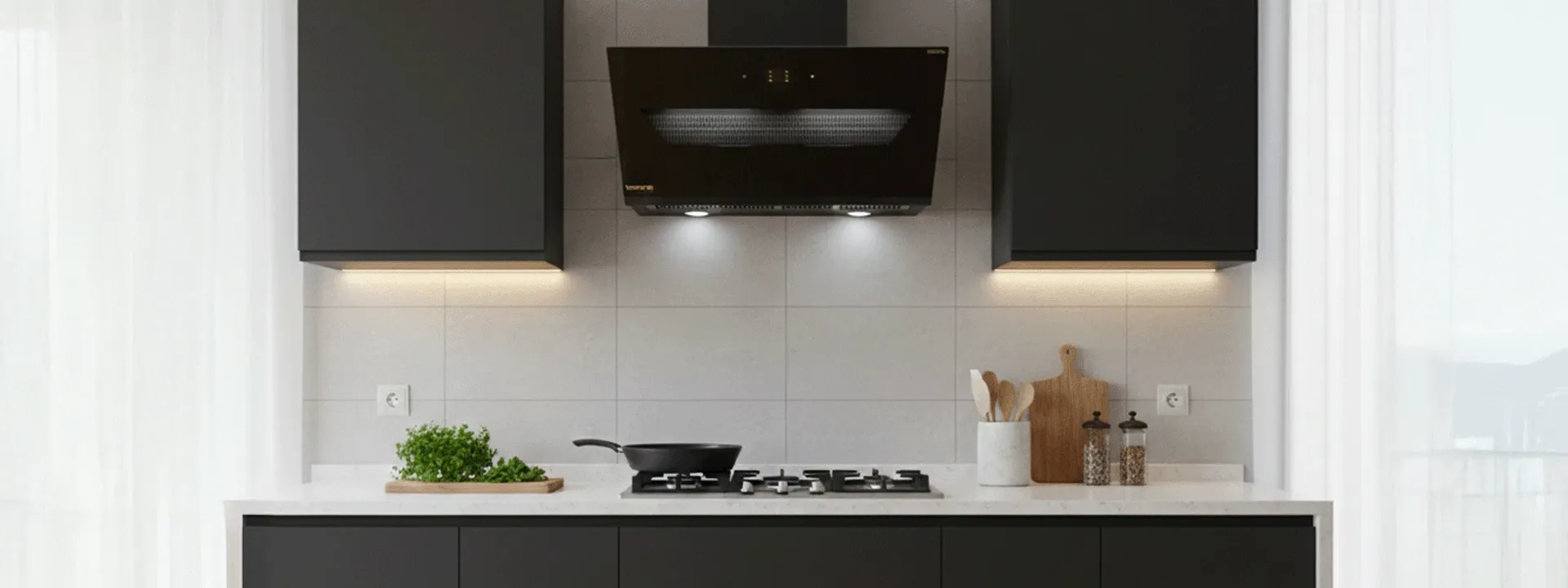
Creating a minimalist kitchen transforms your cooking space into a calm, efficient environment that supports modern living. This approach focuses on functionality over excess, helping you maintain a clean aesthetic while maximizing every square inch of available space. Whether you're working with a compact apartment kitchen or redesigning a larger space, minimalist principles can dramatically improve both the look and functionality of your cooking area.
The beauty of minimalist kitchen design lies in its simplicity and purpose-driven approach. Every element serves a specific function, eliminating visual clutter and creating a serene environment for meal preparation. This design philosophy particularly benefits busy homemakers who value efficiency and easy maintenance in their daily routines.
Minimalist kitchen design centers on the concept of "less is more," emphasizing clean lines, functional storage, and purposeful design choices. This approach differs significantly from simply having fewer items – it requires thoughtful planning and strategic decision-making about every element in your kitchen space.
The core benefits of adopting minimalist kitchen design include reduced cleaning time, improved functionality, and enhanced visual appeal. Homeowners often discover that minimalist kitchens feel larger and more welcoming, creating a peaceful environment for cooking and entertaining.
Successful minimalist kitchens incorporate several fundamental elements that work together to create a cohesive, functional space:
Clean lines and simple shapes in cabinetry and fixtures
Neutral color palettes that create visual continuity
Hidden storage solutions that maintain clean surfaces
Quality over quantity in appliance and material selection
Purposeful lighting that enhances functionality and ambiance
Many people mistakenly believe minimalist kitchens lack personality or functionality. In reality, well-designed minimalist spaces offer superior organization and can accommodate extensive cooking needs through smart storage and multi-functional elements.
Transforming your kitchen into a minimalist haven requires systematic planning and execution. The following comprehensive approach ensures you create a space that balances aesthetic appeal with practical functionality.
Start by evaluating your current kitchen usage patterns and identifying areas where simplification can improve daily efficiency. This assessment forms the foundation for all subsequent design decisions.
Begin your minimalist transformation with a thorough decluttering process that eliminates unnecessary items and organizes essential tools:
Assessment phase: Remove all items from cabinets, drawers, and countertops
Categorization: Group similar items and evaluate frequency of use
Elimination: Apply the one-year rule – donate items unused in the past year
Organization: Assign specific homes for remaining essential items
Effective minimalist kitchen design optimizes the classic work triangle between sink, stove, and refrigerator. In compact spaces, this becomes even more critical for maintaining efficiency while preserving the clean aesthetic.
Consider vertical space utilization through ceiling-height cabinets and wall-mounted storage solutions. These elements draw the eye upward, creating the illusion of greater space while providing essential storage capacity.
Visual design choices significantly impact how spacious and functional your minimalist kitchen feels. Strategic color, material, and hardware selections can dramatically transform even the smallest cooking spaces.
Focus on creating visual continuity through repeated materials and consistent color schemes. This approach eliminates visual fragmentation that can make small spaces feel cramped and chaotic.
Light, neutral colors form the backbone of successful minimalist kitchen design. White, light gray, and warm beige tones reflect natural light, making spaces appear larger and more open.
Monochromatic schemes create seamless visual flow
Natural wood accents add warmth without overwhelming the space
Black accents provide definition and contrast when used sparingly
Metallic finishes in brushed stainless steel or matte black maintain consistency
Choose materials that serve multiple design purposes while offering long-term durability. Quartz countertops, for example, provide easy maintenance and consistent appearance that supports minimalist principles.
Limit material variety to two or three complementary options throughout the space. This restraint creates visual harmony while simplifying maintenance and replacement decisions.
Flat-panel cabinets with minimal ornamentation epitomize minimalist design principles. These clean-lined options create uninterrupted visual surfaces that make spaces feel larger and more serene.
Consider handle-free cabinet designs with push-to-open mechanisms. These solutions eliminate visual hardware while maintaining full functionality, contributing to the streamlined aesthetic.
Smart appliance selection and placement strategies can dramatically improve functionality in minimalist kitchens. Focus on multi-functional options that serve multiple purposes while maintaining the clean aesthetic.
Built-in appliances create seamless integration that supports minimalist design goals. When selecting appliances, prioritize quality and efficiency over features you rarely use.
Choose appliances that offer multiple functions while occupying minimal space. A combination microwave-convection oven, for example, eliminates the need for separate appliances while providing versatile cooking options.
Essential appliances: Refrigerator, cooktop, range hood, and dishwasher
Multi-functional options: Combination units that serve multiple purposes
Built-in solutions: Integrated appliances that maintain clean lines
Energy-efficient models: Reduce utility costs and environmental impact
Maintain clear countertops as a fundamental rule of minimalist kitchen organization. Store frequently used items in easily accessible drawers or cabinets, keeping surfaces free for food preparation.
Invest in portable prep stations and cutting boards that can be stored away when not in use. These solutions provide additional workspace without permanently cluttering counter surfaces.
Layer lighting sources to create both functional illumination and ambient atmosphere. Under-cabinet LED strips provide task lighting while maintaining the clean aesthetic of minimalist design.
Maximize natural light through strategic window treatments and reflective surfaces. Light-colored backsplashes and glossy finishes help bounce light throughout the space, enhancing the sense of openness.
Effective storage solutions form the backbone of successful minimalist kitchens. These systems must accommodate all necessary items while maintaining the clean, uncluttered appearance that defines minimalist design.
Prioritize hidden storage options that keep essential items accessible but out of sight. This approach maintains visual calm while ensuring everything has a designated place.
Utilize wall space through mounted shelving, magnetic knife strips, and hanging pot racks. These solutions free up valuable cabinet and drawer space while keeping frequently used items within easy reach.
Ceiling-height cabinets provide maximum storage capacity
Wall-mounted spice racks eliminate countertop clutter
Magnetic strips hold knives and metal utensils safely
Hanging pot racks display cookware while saving cabinet space
Implement drawer dividers and clear containers to maintain organization within hidden storage areas. This systematic approach ensures items remain accessible and prevents gradual accumulation of clutter.
Organize items based on frequency of use, placing daily essentials in the most accessible locations. This strategy improves efficiency while supporting minimalist principles.
Maintain a curated selection of essential ingredients and cooking supplies. Store items in clear, uniform containers that create visual harmony while improving organization and freshness.
Implement a rotation system that ensures older items are used first, preventing waste and maintaining freshness. This approach supports both minimalist principles and practical kitchen management.
Effective layout design maximizes functionality while maintaining the clean aesthetic of minimalist design. Focus on creating efficient work zones that support natural cooking workflows.
Consider how your kitchen integrates with adjacent living spaces, particularly in open-concept homes. Visual continuity between areas enhances the sense of spaciousness while maintaining design coherence.
Create seamless transitions between kitchen and living areas through consistent flooring, color schemes, and design elements. This approach enhances the sense of space while maintaining functional separation.
Use kitchen islands or peninsulas to define spaces without creating visual barriers. These elements provide additional storage and workspace while supporting the open, airy feel of minimalist design.
Organize your kitchen into distinct zones for food preparation, cooking, and cleanup. This systematic approach improves efficiency while supporting the organized aesthetic of minimalist design.
Prep zone: Counter space near the sink with cutting boards and knives
Cooking zone: Stovetop area with easy access to pots, pans, and utensils
Cleanup zone: Dishwasher and sink area with cleaning supplies
Storage zone: Pantry and refrigerator area for food storage
Choose dining and seating options that complement minimalist design principles. Simple, geometric shapes and neutral colors maintain visual continuity while providing necessary functionality.
Consider space-saving dining solutions such as wall-mounted drop-leaf tables or bar-height counters with stools. These options provide flexibility while supporting the efficient use of space.
Successful minimalist kitchens require ongoing maintenance to preserve their clean, organized appearance. Develop daily and seasonal routines that prevent clutter accumulation while maintaining functionality.
Consistency in maintenance routines ensures your minimalist kitchen continues to serve your needs while providing the visual calm and efficiency that drew you to this design approach.
Implement a 10-minute evening reset routine that returns your kitchen to its organized state. This simple practice prevents gradual clutter accumulation while maintaining the peaceful environment.
Clear all countertops and return items to designated storage
Load dishwasher and start if full
Wipe down surfaces including countertops and stovetop
Put away items left out during daily use
Prepare for tomorrow by setting out needed items
Conduct quarterly assessments to evaluate item usage and eliminate unnecessary accumulation. This regular review ensures your minimalist kitchen continues to serve your evolving needs.
Use seasonal changes as opportunities to refresh organization systems and eliminate items that no longer serve your cooking style or family needs.
Avoid gradual clutter accumulation by implementing the one-in-one-out rule for new kitchen items. This practice maintains balance while allowing for necessary updates and replacements.
Balance functionality with aesthetics by regularly evaluating whether your minimalist approach still supports your cooking and entertaining needs. Adjust organization systems as necessary to maintain both beauty and practicality.
Begin with decluttering and reorganizing existing items before purchasing new storage solutions. Focus on paint, hardware updates, and strategic lighting improvements that provide maximum impact for minimal investment. Consider DIY solutions for organization systems and gradually upgrade appliances as budget allows.
Essential appliances include a refrigerator, cooktop or range, range hood for ventilation, and dishwasher for efficiency. Multi-functional appliances like combination microwave-convection ovens can replace multiple single-purpose units while maintaining minimalist principles.
Use light colors, maximize natural light, and maintain clear countertops to create visual spaciousness. Install ceiling-height cabinets and use reflective surfaces like glossy backsplashes to enhance the sense of openness. Minimize visual clutter through hidden storage solutions.
Minimalist design focuses specifically on reducing clutter and emphasizing functionality, while modern style encompasses broader contemporary design trends. Minimalist kitchens prioritize simplicity and organization, whereas modern kitchens may include more decorative elements and varied materials.
Implement robust organization systems with designated storage for each family member. Use clear containers and labels to maintain order, and establish family routines for kitchen cleanup. Focus on durable, easy-to-clean materials that withstand heavy use while maintaining aesthetic appeal.
Drawer dividers, clear containers, and vertical storage solutions provide maximum organization while maintaining clean aesthetics. Built-in storage options and multi-functional furniture pieces offer hidden storage capacity without cluttering visual space.
Creating a minimalist kitchen requires thoughtful planning, strategic design choices, and consistent maintenance routines. Focus on functionality over excess, choose quality materials and appliances, and implement organization systems that support your cooking style and family needs.
Remember that minimalist design is not about deprivation but about creating a calm, efficient environment that enhances your daily cooking experience. With proper planning and execution, your minimalist kitchen will provide years of functional beauty and peaceful meal preparation.
