
How to Achieve a Minimalist Kitchen Design with Smart Storage
Cart
Your cart is empty
Creating a minimalist kitchen design with smart storage solutions transforms your cooking space into a calm, functional haven. This approach combines clean aesthetics with practical organization, making daily tasks easier while maintaining visual appeal. Modern homeowners increasingly embrace tips for minimalist kitchens that maximize efficiency without sacrificing style. The key lies in thoughtful planning, strategic storage choices, and selecting the right appliances that complement your simplified lifestyle.
Minimalist kitchen design centers on the philosophy of "less is more," emphasizing functionality over decoration. This approach creates spaces that feel open, organized, and stress-free. Minimalist kitchen design focuses on clean lines, neutral color palettes, and uncluttered surfaces that promote both visual calm and practical efficiency.
The core characteristics include streamlined cabinetry without ornate details, integrated appliances that blend seamlessly with the design, and strategic use of negative space. Modern kitchen decor in minimalist style often features handleless cabinets, hidden storage solutions, and carefully curated accessories that serve both form and function.
A minimalist approach offers numerous advantages beyond aesthetics. Cleaning becomes significantly easier with fewer items and surfaces to maintain. The simplified environment reduces decision fatigue and creates a more peaceful cooking experience.
Many people confuse minimalism with stark, empty spaces lacking personality. True minimalist design includes warmth through natural materials, thoughtful lighting, and carefully selected elements that enhance rather than clutter the space.
Successful minimalist transformation begins with thorough decluttering. This process requires honest evaluation of every item in your kitchen, keeping only essentials that serve your cooking needs. Declutter kitchen strategies should focus on functionality rather than sentiment when making decisions about what stays.
Start with the "essential items only" audit by removing everything from cabinets and drawers. Sort items into three categories: daily use, occasional use, and rarely used. Items used daily earn prime real estate in easily accessible locations.
Tackle one category at a time to avoid overwhelm. Begin with small appliances, keeping only those used weekly. Evaluate utensils next, eliminating duplicates and single-purpose tools that can be replaced with versatile alternatives.
Every remaining item needs a specific storage location. This kitchen organization tips principle prevents future clutter accumulation. Label storage areas initially to help family members maintain the system.
Small kitchens benefit enormously from minimalist principles combined with clever storage solutions. Small kitchen ideas that incorporate vertical storage, hidden compartments, and multi-functional elements can make compact spaces feel surprisingly spacious. The key lies in utilizing every inch efficiently while maintaining clean sight lines.
Compact kitchen storage solutions include wall-mounted magnetic knife strips, under-cabinet spice racks, and pull-out drawer organizers that maximize cabinet depth. These elements keep countertops clear while ensuring everything remains easily accessible.
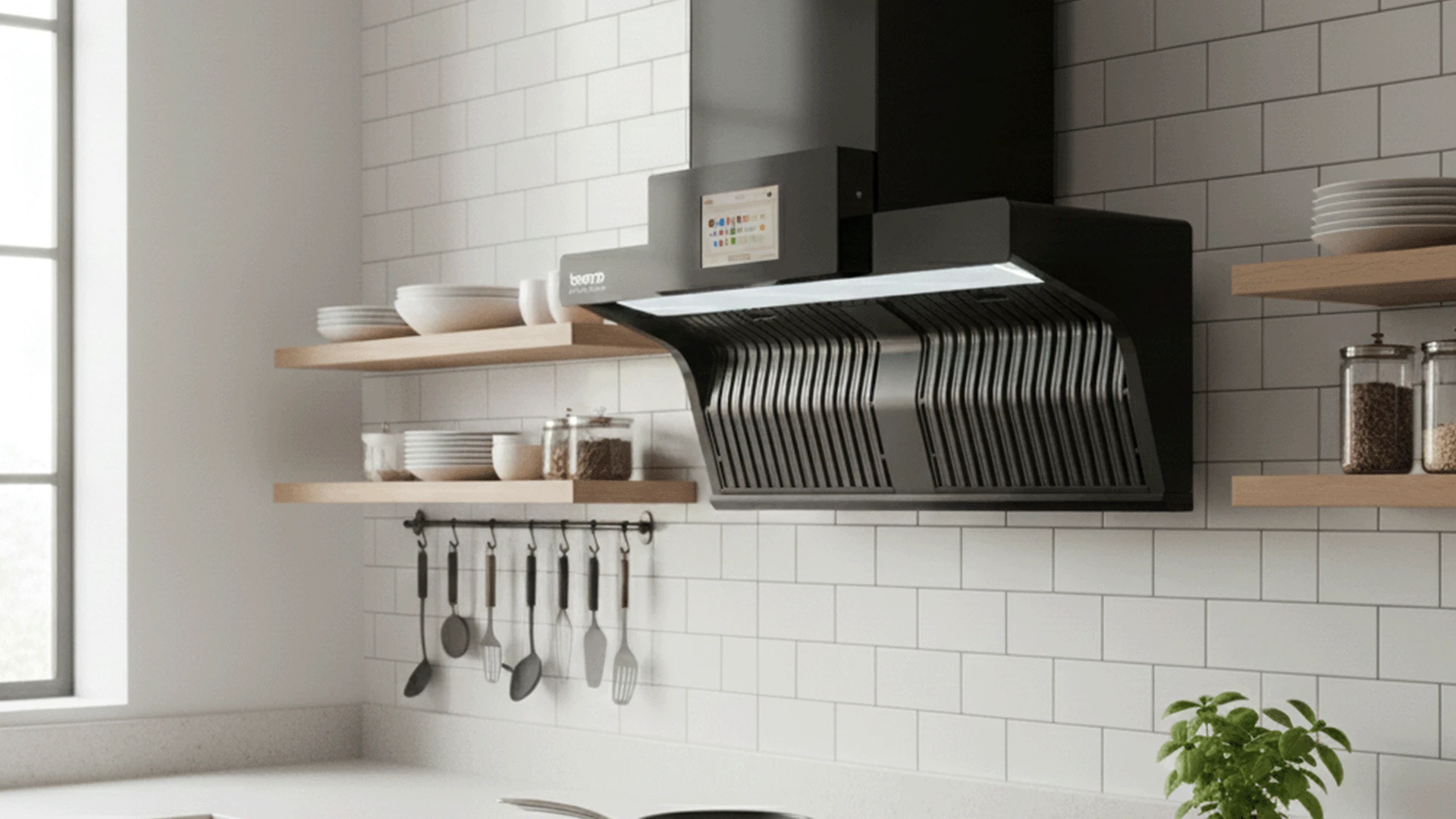
Wall space offers tremendous storage potential often overlooked in traditional kitchen design. Install floating shelves for frequently used items, magnetic strips for knives and metal utensils, and hooks for measuring cups and lightweight tools.
Toe-kick drawers beneath base cabinets provide storage for flat items like baking sheets. Inside cabinet doors can accommodate spice racks, cutting boards, and cleaning supplies without consuming valuable shelf space.
Choose pieces that serve multiple purposes, such as kitchen islands with built-in storage or dining tables with drawers. These solutions maximize functionality while maintaining the clean aesthetic essential to minimalist design.
Selecting appropriate kitchen essentials requires careful consideration of your cooking habits and space constraints. Quality trumps quantity in minimalist kitchens, where each item must earn its place through frequent use and superior performance. Compact appliances that serve multiple functions help maintain the streamlined aesthetic while providing necessary functionality.
Focus on versatile tools that replace multiple single-purpose items. A high-quality chef's knife eliminates the need for numerous specialized cutting tools. A well-designed food processor can handle chopping, mixing, and grinding tasks that would otherwise require separate appliances.
Essential items include one excellent knife, a cutting board, quality cookware set, measuring tools, and basic utensils. Limit dishes to what you actually use regularly, typically service for four to six people maximum.
Choose appliances based on frequency of use and space efficiency. A compact dishwasher might be more valuable than a large microwave if you cook fresh meals daily. Consider built-in options that integrate seamlessly with cabinetry.
An efficient kitchen layout forms the foundation of successful minimalist design. The classic work triangle connecting sink, stove, and refrigerator should be optimized for your space constraints and cooking patterns. Simple kitchen remodel projects can dramatically improve functionality without major construction.
Counter space maximization involves strategic placement of appliances and storage solutions. Keep countertops clear except for items used daily, storing everything else in designated cabinets or drawers.
In small kitchens, the work triangle may be compressed but should still allow smooth movement between key areas. Ensure adequate landing space near each point of the triangle for food preparation and serving.
Plan pathways that don't interfere with cooking activities. Avoid placing the main traffic route through the work triangle, especially in kitchens used by multiple people simultaneously.
Create distinct zones for different activities: food storage and prep near the refrigerator, cooking tools near the stove, and cleaning supplies near the sink. This organization reduces movement and increases efficiency.
Modern kitchen decor in minimalist style relies on carefully chosen design elements that create visual harmony. Color palettes typically feature neutral tones with strategic accent colors that add warmth without overwhelming the space. Material choices should emphasize natural textures and durable finishes that age gracefully.
Lighting plays a crucial role in minimalist design, with natural light being the preferred option. Supplement with clean-lined fixtures that provide adequate task lighting without visual clutter.
White, light gray, and warm beige create the foundation for minimalist kitchens. Add depth with natural wood tones or subtle accent colors in accessories or backsplash tiles.
Natural materials like wood, stone, and stainless steel provide texture and warmth. Choose finishes that hide fingerprints and water spots to maintain the clean aesthetic with minimal effort.
Simple, streamlined cabinet hardware complements minimalist design. Consider handleless cabinets with push-to-open mechanisms for the ultimate clean look, or choose slim, geometric pulls in matching finishes.
Long-term success with minimalist kitchen design requires consistent maintenance habits. Daily routines that keep countertops clear and weekly organization sessions prevent clutter accumulation. These kitchen organization tips ensure your space remains functional and visually appealing over time.
Establish systems that work for your household's rhythm and cooking patterns. Simple habits like cleaning as you cook and returning items to designated homes immediately after use maintain the minimalist aesthetic effortlessly.
Clear countertops completely each evening, wash dishes immediately after meals, and wipe down surfaces regularly. These small actions prevent accumulation of clutter and maintain the clean aesthetic.
Conduct weekly reviews of storage areas, removing items that have migrated from their designated homes. Check for expired products and items that are no longer needed.
Focus on multi-functional, compact appliances like a quality chef's knife, cutting board, one good pan, and energy-efficient appliances that serve multiple purposes. Choose built-in options when possible to maintain clean lines.
Clear countertops completely, use vertical storage solutions, choose light colors throughout, install under-cabinet lighting, and limit decorative items to create visual space and maintain clean sight lines.
White, light gray, natural wood tones, and soft beiges create the clean, timeless look essential to minimalist design. These colors reflect light and make spaces appear larger.
Absolutely. By carefully selecting quality, multi-purpose tools and implementing smart storage solutions, minimalist kitchens can be highly functional while maintaining their clean aesthetic.
Begin by removing everything from cabinets and drawers, sort items into keep, donate, and discard piles, then only return essential items with designated storage spots.
Achieving a minimalist kitchen design with smart storage requires thoughtful planning and consistent maintenance. Focus on quality over quantity when selecting items, utilize vertical space efficiently, and maintain clear countertops for the best results. Remember that minimalism isn't about having less for the sake of it, but about creating a functional, peaceful space that supports your cooking and lifestyle needs. With proper implementation of these strategies, your kitchen will become a calm, efficient hub that enhances rather than complicates your daily routines.
