

Everything You Need to Know About Minimalist Kitchens
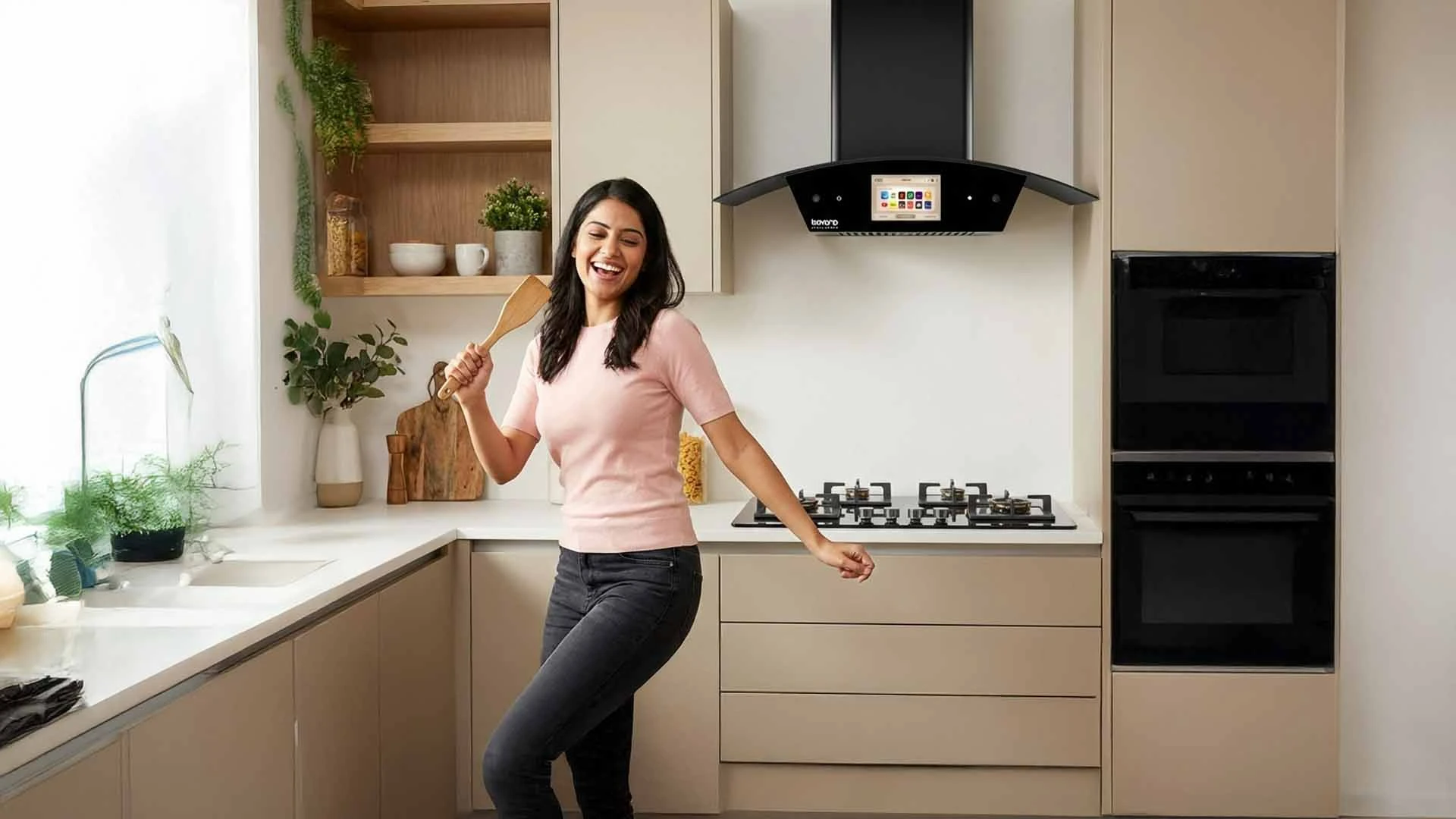
Creating a minimalist kitchen transforms your cooking space into a serene, functional haven that prioritizes simplicity and efficiency. This design philosophy emphasizes clean lines, purposeful storage, and a clutter-free environment that makes daily cooking tasks more enjoyable. Whether you're working with a spacious layout or compact kitchen ideas, achieving a minimalist kitchen look requires thoughtful planning and strategic choices. The beauty of minimalist design lies in its ability to create visual calm while maximizing functionality, making your kitchen both beautiful and practical for everyday use.
A minimalist kitchen centers on the principle that less is more, focusing on essential elements while eliminating unnecessary clutter. This modern kitchen design approach emphasizes functionality over decoration, creating spaces that feel open, organized, and peaceful.
The core characteristics include flat-panel cabinetry, clean countertops, and integrated appliances that blend seamlessly into the overall design. Every item in a minimalist kitchen serves a specific purpose, contributing to both form and function.
Minimalist kitchens offer numerous advantages beyond their aesthetic appeal:
Easier maintenance: Fewer surfaces and decorative elements mean less cleaning
Enhanced functionality: Clear countertops provide more workspace
Improved focus: Reduced visual distractions create a calming environment
Better organization: Everything has a designated place
Unlike traditional or ornate kitchen styles, minimalist design strips away decorative elements to focus on essential functionality. This contemporary kitchen approach differs from industrial or rustic styles by emphasizing simplicity rather than texture or vintage elements.
Successfully achieving a minimalist kitchen look requires understanding and implementing specific design principles that create visual harmony and functional efficiency. These foundational elements work together to establish the clean, uncluttered aesthetic that defines minimalist spaces.
The most effective minimalist kitchens follow a systematic approach to design, where each element contributes to the overall sense of calm and order.
Flat-panel cabinet doors without raised details create the smooth, uninterrupted surfaces essential to minimalist design. Handleless cabinets or integrated pulls maintain clean lines while providing necessary functionality.
Maximizing natural light through unobstructed windows and using light-colored surfaces helps create the spacious feel characteristic of minimalist kitchens. This approach makes even compact kitchen ideas feel larger and more inviting.
White, gray, and beige tones form the foundation of most minimalist color schemes. These neutral hues create a calming backdrop that allows the kitchen's functionality to take center stage.
Using consistent materials throughout the space creates visual continuity. Matching countertops and backsplashes, or selecting complementary finishes, enhances the streamlined kitchen aesthetic.
Kitchen decluttering forms the foundation of any successful minimalist transformation. This process involves systematically evaluating every item in your kitchen to determine its necessity and frequency of use.
Effective decluttering requires a methodical approach that considers both current needs and future maintenance requirements.
Begin by removing everything from cabinets, drawers, and countertops. Sort items into categories: daily use, occasional use, and rarely used. This visual assessment helps identify which items truly deserve space in your organized kitchen.
Keep items you use weekly or more frequently. Consider donating duplicate tools, specialty gadgets used less than monthly, and items in poor condition. The goal is maintaining only what actively contributes to your cooking routine.
Implement the "one in, one out" rule to prevent future accumulation. When acquiring new kitchen items, remove something of equal size or function to maintain your clean kitchen aesthetic.
Small kitchens benefit tremendously from minimalist principles, as the design philosophy naturally emphasizes space efficiency and visual openness. Compact kitchen ideas often work best when they embrace minimalist concepts rather than fighting against space limitations.
Strategic design choices can make small kitchens feel significantly larger while maintaining full functionality for daily cooking needs.
Wall-mounted shelving and tall, narrow cabinets draw the eye upward, creating the illusion of height. Open shelving displays essential items while maintaining the minimalist principle of purposeful visibility.
Kitchen islands with built-in storage, extendable countertops, and appliances that serve multiple purposes maximize functionality without cluttering the space. These solutions support the contemporary kitchen goal of efficiency.
Light colors, reflective surfaces, and strategic lighting placement make small kitchens appear larger. Continuous countertop materials and consistent cabinet heights create unbroken sight lines that enhance spatial perception.
Effective kitchen storage solutions in minimalist design focus on concealing clutter while maintaining easy access to essential items. The key lies in creating systems that support daily routines without compromising the clean aesthetic.
Well-planned storage eliminates the need for countertop clutter while ensuring everything has a designated, logical location.
Pull-out drawers, toe-kick storage, and concealed pantry areas keep necessary items accessible but invisible. These solutions maintain the simple kitchen appearance while providing ample storage capacity.
Matching containers, consistent labeling, and standardized storage solutions create visual harmony within cabinets and pantries. This approach supports the minimalist principle of intentional, organized living.
Built-in appliances, including chimneys and cooktops, maintain clean sight lines while providing necessary functionality. Modern options like ductless chimneys and sleek hobtops integrate seamlessly into minimalist designs without disrupting the aesthetic flow.
Cabinet selection significantly impacts the success of achieving a minimalist kitchen look. The right choices create the foundation for a clean, uncluttered appearance that defines minimalist design.
Quality cabinetry with thoughtful hardware selection ensures both aesthetic appeal and long-term functionality in minimalist kitchens.
Flat-panel doors, slab fronts, and handleless designs epitomize minimalist cabinetry. These styles eliminate visual noise while providing clean, uninterrupted surfaces that enhance the overall design.
Integrated pulls, touch-to-open mechanisms, and concealed hinges maintain the smooth surfaces essential to minimalist design. When visible hardware is necessary, simple, geometric shapes in matching finishes work best.
White, light gray, and natural wood tones provide the neutral backdrop that allows minimalist design to shine. Matte finishes reduce visual noise compared to high-gloss options, supporting the calm aesthetic.
Establish clear organizational systems and involve all family members in maintaining order. Designate specific storage areas for each person's items and implement daily tidying routines. Focus on easy-to-clean surfaces and simplified meal preparation areas that accommodate busy schedules.
Essential appliances include a quality cooktop or gas stove, efficient chimney for ventilation, refrigerator, and dishwasher. Choose built-in options when possible to maintain clean lines. Multi-functional appliances reduce clutter while meeting diverse cooking needs.
Incorporate personality through material choices, subtle color variations, and a few carefully selected decorative elements. Natural textures, interesting cabinet hardware, or a single statement light fixture can add character while maintaining minimalist principles.
Minimalist design emphasizes warmth through natural materials, proper lighting, and functional beauty. Stark design lacks these warming elements, feeling cold and unwelcoming. True minimalism creates calm, comfortable spaces that feel lived-in rather than empty.
Costs vary widely based on scope and quality choices. Simple updates like decluttering, painting, and new hardware can cost under INR 50,000. Full renovations with quality appliances and custom cabinetry may range from INR 2,00,000 to INR 8,00,000 or more, depending on size and specifications.
Absolutely. Start with thorough decluttering, update cabinet hardware, apply fresh paint in neutral colors, and organize storage systems. Replace outdated appliances gradually with sleek, integrated options. These changes can dramatically transform your kitchen's appearance without major construction.
Quartz, marble, and solid surface materials provide the clean, continuous appearance ideal for minimalist design. Stainless steel and glass offer modern appeal with easy maintenance. Choose materials with minimal patterns or veining to maintain visual simplicity.
Prioritize hidden storage solutions like deep drawers, pull-out organizers, and built-in pantries. Use vertical space efficiently and choose multi-functional furniture. The key is ensuring everything has a designated place while keeping surfaces clear and uncluttered.
Achieving a minimalist kitchen look requires thoughtful planning, strategic decluttering, and careful selection of design elements that prioritize both function and simplicity. The process begins with understanding minimalist principles and extends through every design decision, from cabinet selection to appliance integration.
Success in creating a minimalist kitchen lies in maintaining the balance between aesthetic appeal and practical functionality. By focusing on quality over quantity, implementing smart storage solutions, and choosing design elements that serve multiple purposes, you can create a kitchen that feels both serene and highly functional for daily use.
