

Everything You Need to Know About Cooktops
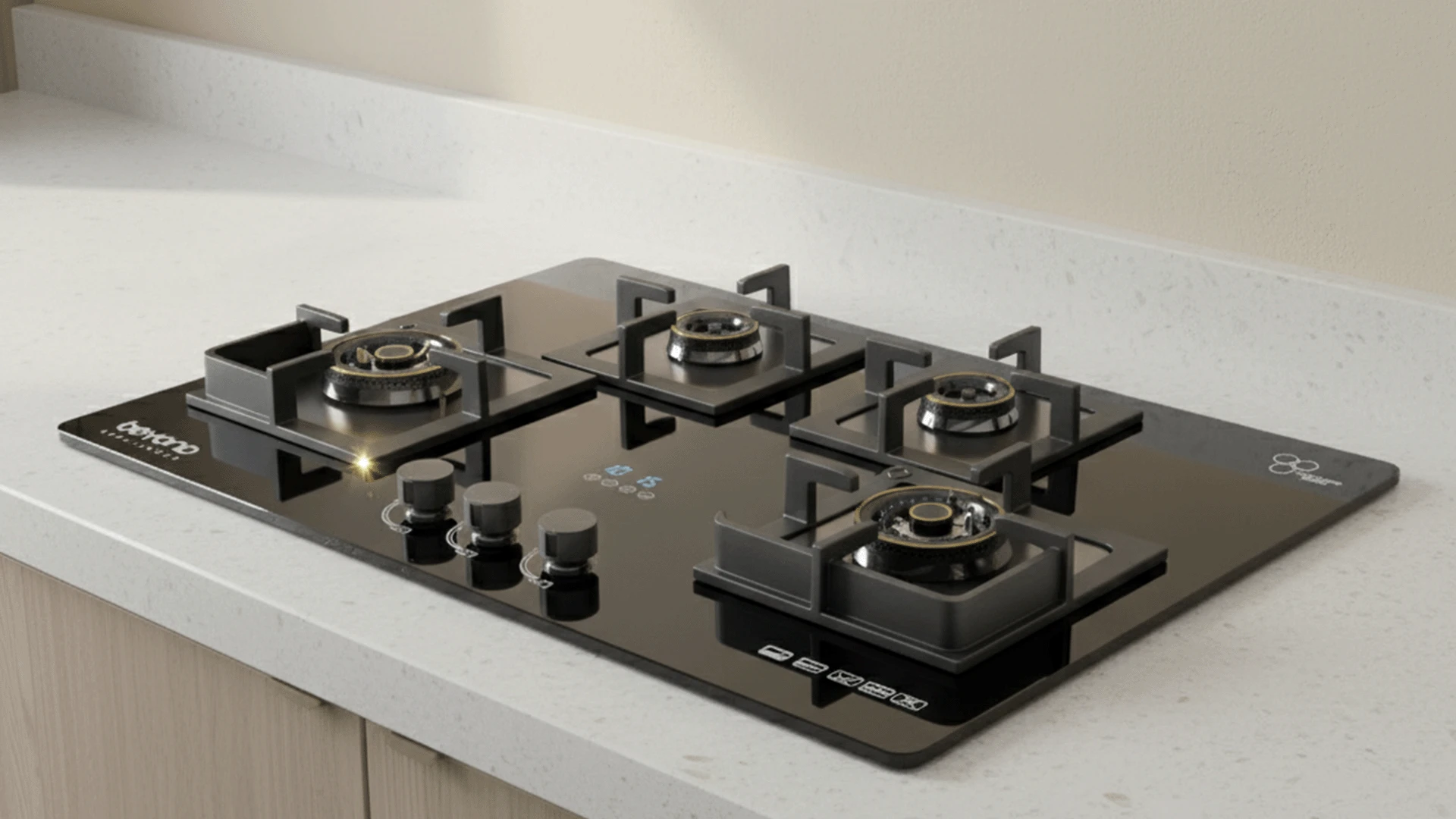
Choosing the right cooking surface for your kitchen can feel overwhelming with so many options available today. Whether you're setting up a new kitchen or upgrading your existing setup, understanding the differences between gas cooktops, electric cooktops, and induction cooktops is essential. Modern homeowners are increasingly looking for compact cooktops that deliver excellent performance while fitting seamlessly into contemporary kitchen designs. This comprehensive guide will help you navigate through various hob types and make an informed decision that suits your cooking style, space constraints, and budget requirements.
Understanding the fundamental differences between cooktop technologies is crucial for making the right choice. Each type offers distinct advantages and considerations that can significantly impact your cooking experience and kitchen efficiency.
Gas cooktops remain the preferred choice for many Indian households due to their instant heat control and compatibility with traditional cooking methods. These units provide immediate flame adjustment, making them ideal for techniques like tempering spices or achieving the perfect sear on rotis. Most gas cooktops come in 3-burner or 4-burner configurations, with the latter offering more flexibility for large families or elaborate meal preparations.
Electric cooktops offer consistent heat distribution and are particularly suitable for slow cooking and simmering. These units feature either ceramic glass surfaces or traditional coil elements, with ceramic options providing easier cleaning and a more modern appearance. Energy efficiency varies depending on the model, but newer electric cooktops often include features like residual heat indicators and multiple heat settings for precise temperature control.
Induction cooktops represent the most advanced cooking technology available today. These units use electromagnetic fields to heat cookware directly, resulting in faster cooking times and improved energy efficiency. However, they require compatible magnetic cookware, which may necessitate replacing existing pots and pans. The precision temperature control and safety features make induction cooktops increasingly popular among modern homeowners.
Portable cooktops and countertop stoves provide excellent flexibility for small kitchens, temporary cooking setups, or outdoor use. These compact units can be easily stored when not in use and offer the convenience of additional cooking space during large gatherings. Most portable cooktops are available in single or double-burner configurations.
Modern kitchen design emphasizes both functionality and aesthetics, making compact cooktops an essential consideration for contemporary homes. Space optimization has become increasingly important as urban living spaces become smaller and more efficient.
Built-in hobs offer seamless integration with kitchen countertops, creating a sleek and modern appearance. These units require professional installation and proper ventilation planning. Freestanding kitchen cooktops provide more flexibility in placement and are generally easier to install and replace when needed.
Modern cooktops designed for compact spaces often feature innovative layouts that maximize cooking surface while minimizing footprint. Glass-top designs with touch controls create a streamlined appearance that complements contemporary kitchen aesthetics. Stainless steel finishes remain popular for their durability and easy maintenance.
Selecting the best cooktops and hobs requires careful consideration of multiple factors including your cooking habits, kitchen layout, and long-term needs. This comprehensive cooktop buying guide will help you evaluate the most important aspects of your purchase decision.
The number of burners you need depends on your family size and cooking frequency. A 2-burner setup works well for small households, while 4-burner configurations suit larger families or those who enjoy elaborate cooking. Measure your available counter space carefully, allowing for proper clearance around the unit for safety and ventilation.
Gas models are rated in BTUs (British Thermal Units), with higher ratings indicating more powerful burners. Electric and induction models use wattage ratings, typically ranging from 1200W to 3500W per burner. Look for units with multiple power levels and precise temperature controls for versatile cooking options.
Modern kitchen cooktops include various safety features such as auto-ignition systems for gas models, child safety locks, and automatic shut-off functions. Easy-clean surfaces and removable components simplify maintenance and ensure long-term performance.
Indian cooking techniques require specific considerations when selecting cooktops. High-heat cooking, heavy cookware compatibility, and multiple simultaneous preparations are common requirements that influence the choice of best cooktops and hobs for Indian households.
Traditional Indian cooking often requires intense heat for techniques like making rotis, deep frying, and quick stir-frying. Gas cooktops typically excel in this area, providing instant high heat and immediate temperature adjustments. Look for models with powerful burners that can accommodate heavy-bottomed cookware commonly used in Indian cooking.
Three-burner configurations remain popular for medium-sized families, offering a good balance of cooking capacity and space efficiency. Four-burner premium options provide additional flexibility for elaborate meal preparations or large family gatherings. Some households prefer dual-fuel combinations that offer both gas and electric cooking options.
Proper installation and regular maintenance are crucial for the safe and efficient operation of your cooktop. Understanding these requirements helps ensure optimal performance and longevity of your investment.
Gas cooktops require professional installation to ensure proper gas line connections and safety compliance. Electric and induction models may allow DIY installation but often benefit from professional setup to ensure proper electrical connections and warranty coverage. Always verify local building codes and safety requirements before installation.
Daily cleaning routines vary by cooktop type, with glass-top models requiring gentle cleaners and gas models needing regular burner maintenance. Establish a regular cleaning schedule and address spills immediately to prevent permanent staining or damage. Keep warranty documentation and service contact information readily available.
Understanding the total cost of ownership helps make informed decisions about cooktop investments. Consider both initial purchase price and long-term operating costs when evaluating different options.
Gas cooktops typically have lower operating costs in areas with affordable natural gas, while electric models may be more economical where electricity rates are competitive. Induction cooktops often provide the best energy efficiency but may require cookware upgrades. Prices typically range from INR 5,000 for basic models to INR 50,000 for premium units.
Essential features like reliable ignition, adequate power output, and basic safety features are available across all price ranges. Premium models offer advanced controls, superior materials, and extended warranties. Evaluate which features provide genuine value for your specific cooking needs and budget constraints.
The terms "hob" and "cooktop" are often used interchangeably, though "hob" is more commonly used in British English while "cooktop" is preferred in American English. Both refer to the cooking surface with burners or heating elements.
Induction cooktops are generally the most energy efficient, converting about 85-90% of energy directly to heat. Gas cooktops are about 40-55% efficient, while electric coil cooktops achieve around 65-70% efficiency.
Induction cooktops require magnetic cookware such as cast iron or magnetic stainless steel. Aluminum, copper, and non-magnetic stainless steel cookware will not work unless they have a magnetic base.
Most manufacturers recommend at least 6 inches of clearance on all sides of the cooktop, with 30 inches of clearance above for proper ventilation and safety.
A 4-burner cooktop typically works well for families of four, providing adequate cooking capacity for multiple dishes. However, cooking habits and kitchen space should also influence this decision.
Most portable electric and induction cooktops plug into standard household outlets, though high-powered models may require 240V connections. Always check power requirements before purchase.
Selecting the right cooktop involves balancing your cooking needs, kitchen space, and budget considerations. Gas cooktops offer excellent control and are ideal for traditional Indian cooking, while induction models provide superior energy efficiency and safety features. Electric cooktops serve as a reliable middle ground with consistent performance. Consider your long-term needs, including maintenance requirements and operating costs, when making your final decision. Remember that proper installation and regular maintenance are essential for optimal performance and safety regardless of the type you choose.
