

Essential Smart Cooking Screen Tips: Your Ultimate Kitchen Guide
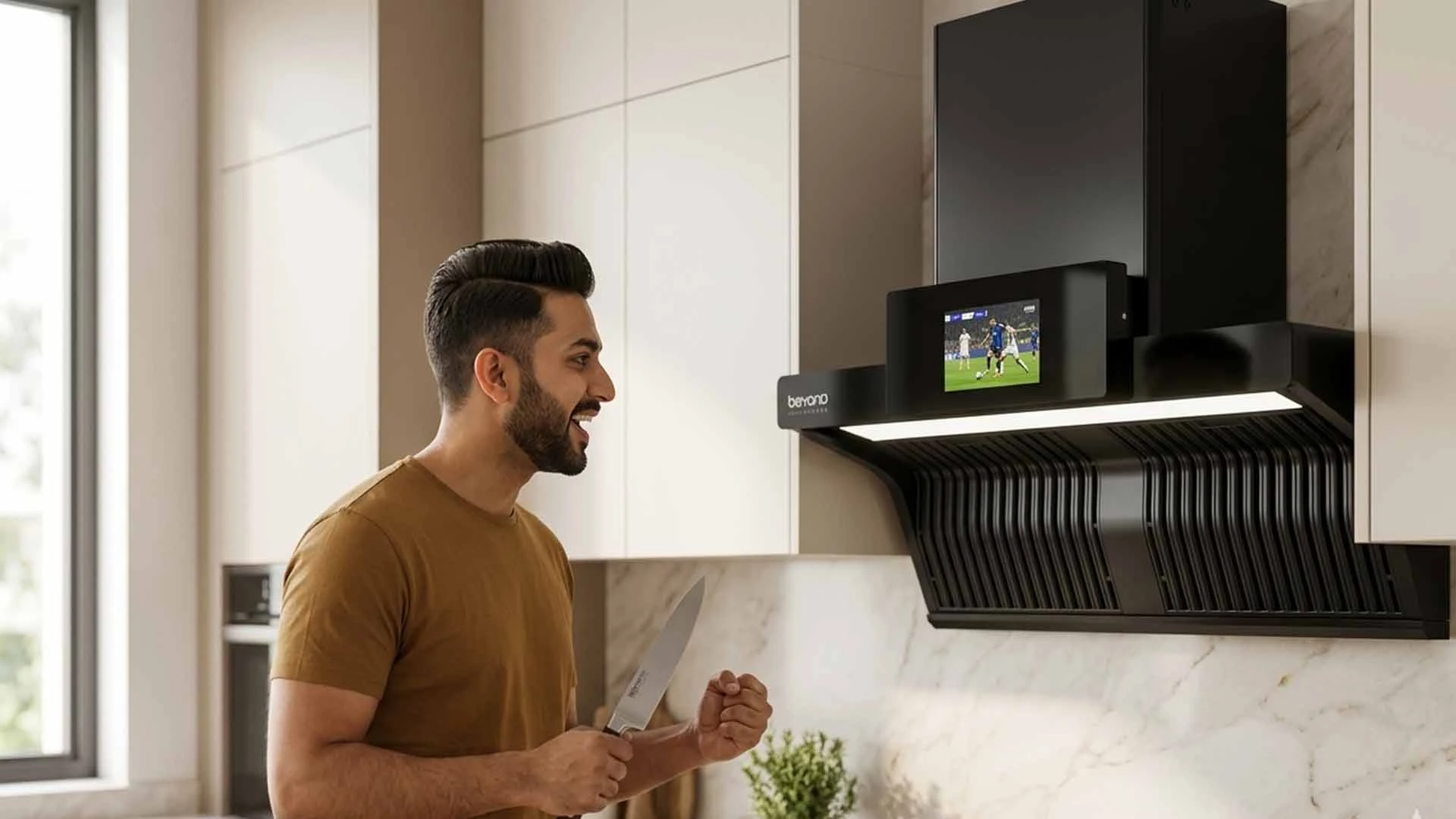
Smart cooking screens are revolutionizing modern kitchens by bringing digital convenience directly to your cooking space. These interactive displays serve as your personal digital cooking assistant, offering step-by-step recipe guidance, timer management, and seamless integration with other smart appliances. Whether you're working with a compact kitchen or a spacious culinary haven, understanding how to maximize these devices can transform your cooking experience from stressful to streamlined.
A smart kitchen display is an interactive touchscreen device designed specifically for culinary environments. These screens combine the functionality of tablets with specialized features for cooking, including voice commands, recipe databases, and smart appliance connectivity. Unlike traditional recipe books or smartphone apps, these displays are built to withstand kitchen conditions while providing hands-free operation during food preparation.
The evolution from printed recipes to interactive cooking displays represents a significant leap in kitchen technology. Modern cooks can access thousands of recipes instantly, adjust serving sizes automatically, and receive real-time cooking guidance without touching their devices with messy hands.
Wall-mounted displays offer permanent installation solutions perfect for dedicated cooking areas. Countertop models provide flexibility for smaller spaces or rental properties. Tablet-style devices with specialized kitchen stands bridge the gap between portability and stability.
These displays work seamlessly with smart ovens, refrigerators, and even advanced chimney systems. When connected to your kitchen's ventilation system, they can automatically adjust fan speeds based on cooking intensity, ensuring optimal air quality throughout your culinary adventures.
When selecting a modern recipe screen, display quality stands as the most critical factor. A minimum 1080p resolution ensures recipe text remains crisp and images appear vibrant even from across the kitchen. Screen size should balance visibility with available counter or wall space, typically ranging from 8 to 15 inches for optimal usability.
Touch responsiveness becomes crucial when your hands might be slightly damp or flour-dusted. Look for screens with capacitive touch technology that responds accurately even with light contact. Voice command capabilities eliminate the need for physical interaction entirely, allowing you to navigate recipes, set timers, and adjust settings through simple verbal instructions.
Anti-glare coatings prevent kitchen lighting from interfering with screen visibility. Brightness adjustment features ensure comfortable viewing during different times of day. Color accuracy helps distinguish between similar ingredients and cooking stages.
Flexible mounting systems accommodate various kitchen layouts. Swivel mounts allow angle adjustments for optimal viewing from different cooking stations. Magnetic backing provides temporary placement options for metal surfaces.
Proper positioning of your cooking screen guide device significantly impacts both functionality and safety. Install screens at eye level when standing at your primary cooking station, typically 48 to 54 inches from the floor. This height ensures comfortable viewing without neck strain during extended cooking sessions.
Maintain adequate distance from heat sources to prevent damage and ensure longevity. Position screens at least 24 inches away from stovetops and 18 inches from ovens. For compact kitchen tech setups, consider corner mounting or under-cabinet installation to maximize counter space while maintaining accessibility.
Wall mounting provides permanent solutions that free up valuable counter space. Countertop stands offer flexibility for repositioning based on cooking tasks. Hybrid solutions include swing-arm mounts that combine stability with adjustability.
Heat-sensitive components require protection from direct exposure to cooking temperatures. Steam and grease can damage screens over time, making proper ventilation essential. Consider proximity to your chimney system for optimal air circulation around the device.
Transform your smart recipe device into a comprehensive culinary command center by customizing settings for your cooking style. Adjust screen timeout settings to remain active during lengthy recipe preparations, typically extending to 15-30 minutes for complex dishes. Configure voice sensitivity to respond accurately over kitchen noise, including running water, sizzling pans, and ventilation fans.
Sync your display with smart appliances to create seamless cooking workflows. When connected to compatible ovens, your screen can automatically preheat to recipe requirements. Integration with smart refrigerators allows inventory checking without leaving your cooking station.
Cooking mode settings prevent screens from dimming during active recipe following. Motion sensors can automatically wake displays when you approach the cooking area. Battery-powered models offer extended active periods without constant charging.
Synchronize grocery lists with recipe selections for streamlined shopping. Calendar integration helps plan weekly meals based on family schedules. Nutritional tracking features support dietary goals and restrictions.
Maintaining cleanliness around your digital cooking assistant requires specific protocols to prevent cross-contamination while preserving device functionality. Clean screens between different ingredient preparations using food-safe sanitizing wipes designed for electronic devices. Avoid harsh chemicals that might damage protective coatings or leave residues that could affect touch sensitivity.
Establish regular cleaning schedules that align with your cooking frequency. Daily users should perform quick wipe-downs after each cooking session, while weekly deep cleaning ensures optimal performance. Pay special attention to areas around mounting hardware where grease and moisture might accumulate.
Alcohol-based cleaners provide effective sanitization without damaging screen surfaces. Microfiber cloths prevent scratching while removing fingerprints and food residues. UV sanitizing cases offer chemical-free cleaning options for portable devices.
Temporary protective films shield screens during particularly messy cooking tasks. Splash guards provide physical barriers against oil splatters and sauce spills. Strategic positioning relative to your chimney system helps minimize exposure to airborne cooking particles.
Creating a truly compact smart kitchen involves connecting your cooking screen with multiple appliances and systems for maximum efficiency. Modern integration allows your display to communicate with smart ovens, induction cooktops, and even advanced chimney systems to create automated cooking environments that respond to your culinary needs.
Voice assistant compatibility extends functionality beyond basic recipe following. Connect with Alexa, Google Assistant, or Siri to control lighting, adjust music, or even order missing ingredients while cooking. This hands-free control becomes especially valuable when handling raw ingredients or working with hot surfaces.
Multi-platform support ensures compatibility with existing smart home ecosystems. Custom voice commands can trigger complex cooking sequences across multiple appliances. Privacy settings allow control over data sharing and voice recording features.
Centralized control hubs manage all connected kitchen devices from a single interface. Energy monitoring features track appliance usage and suggest efficiency improvements. Automated routines can prepare your kitchen for cooking based on meal planning schedules.
Most devices offer cooking mode settings that extend screen timeout periods. Enable motion detection features that automatically wake the display when you approach. Voice activation commands like "Hey Google, wake up" can reactivate sleeping screens without touching them with messy hands.
Smart kitchens integrate multiple connected devices that communicate with each other. Your cooking screen serves as the central command hub, coordinating with smart ovens, refrigerators, and ventilation systems. This integration creates automated workflows that simplify complex cooking tasks.
Entry-level devices start around INR 15,000, offering basic recipe display and voice commands. Mid-range options between INR 25,000-40,000 provide better displays and smart home integration. Premium models exceeding INR 50,000 offer commercial-grade durability and advanced features.
Compact designs specifically address space constraints in smaller kitchens. Wall-mounted options eliminate counter clutter while under-cabinet models utilize unused vertical space. The organizational benefits often outweigh the physical footprint in tight cooking areas.
Many models store frequently used recipes locally for offline access. Basic timer and measurement conversion functions typically work without internet. However, voice commands and smart appliance integration require active network connections for full functionality.
Advanced models can communicate with smart chimney systems to automatically adjust fan speeds based on cooking intensity. This integration ensures optimal air quality while reducing energy consumption through intelligent ventilation control.
Smart cooking screens represent a significant advancement in kitchen technology, offering hands-free recipe guidance and seamless appliance integration. Success depends on proper placement, regular maintenance, and thoughtful integration with your existing kitchen setup. Whether you're upgrading a compact kitchen or designing a comprehensive smart cooking environment, these devices provide the foundation for more efficient and enjoyable culinary experiences.
Remember that the best smart cooking screen is one that fits your specific cooking style and kitchen layout. Consider your space constraints, connectivity needs, and integration goals when making your selection. With proper setup and maintenance, these devices become indispensable tools that transform everyday cooking into streamlined, stress-free experiences.
