

Essential Modern Kitchen Design Layout Tips Checklist
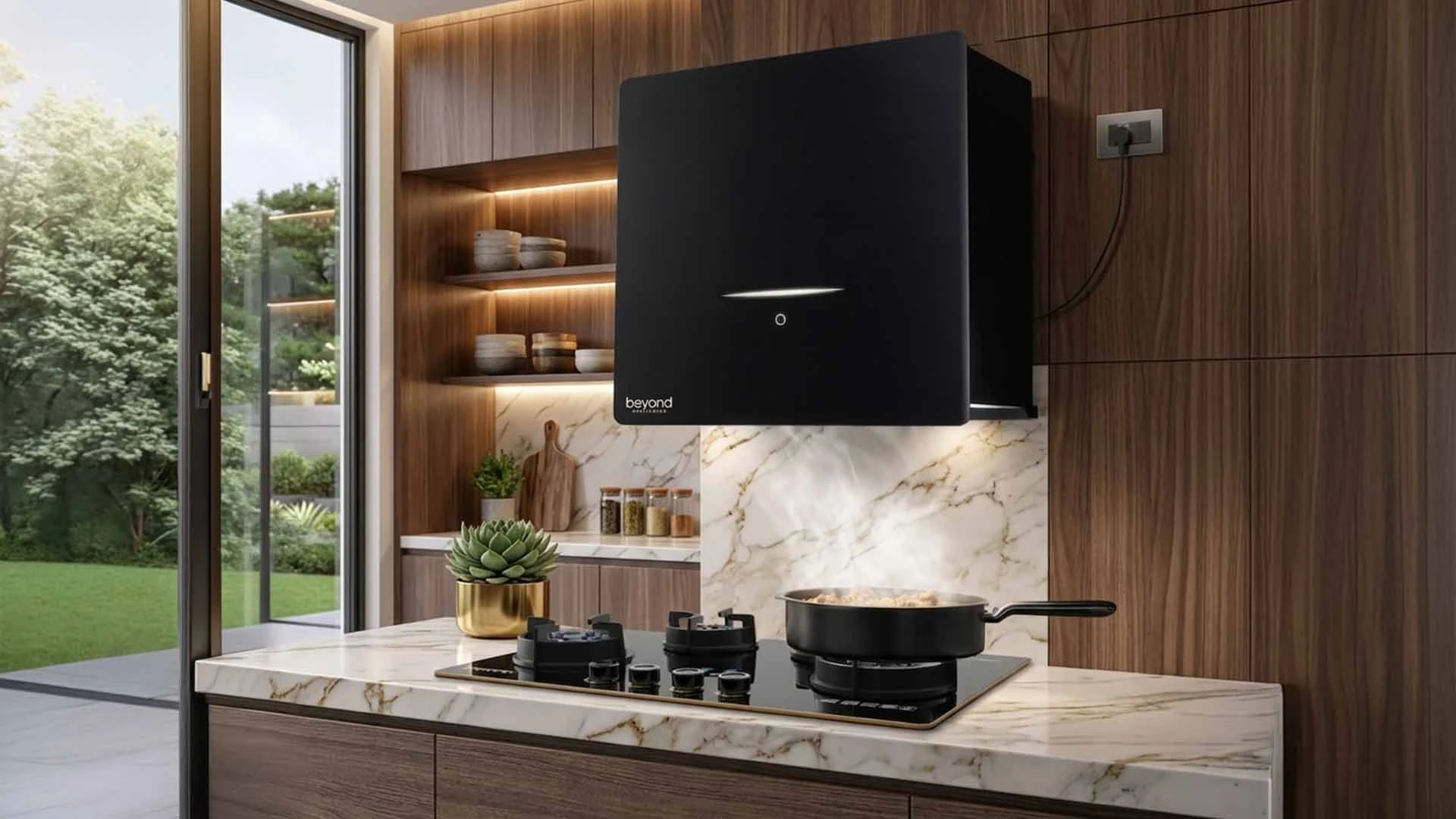
Creating the perfect modern kitchen design layout requires careful planning and attention to detail. Today's homeowners want kitchens that blend style with functionality, offering clean lines, smart storage solutions, and efficient workflows. Whether you're working with a compact space or designing a large family kitchen, the right layout can transform your cooking experience and add significant value to your home. Modern kitchen design layout tips focus on maximizing every square inch while maintaining the sleek, uncluttered aesthetic that defines contemporary living.
Modern kitchen design has evolved significantly from traditional layouts. Today's contemporary kitchen design emphasizes open spaces, clean lines, and seamless integration with living areas. The focus has shifted from purely functional spaces to multi-purpose areas that serve as the heart of the home.
Contemporary kitchen design has moved away from ornate details and closed-off spaces. Modern layouts feature minimalist aesthetics with clean, straight lines and uncluttered surfaces. Smart technology integration has become essential, with built-in appliances and hidden storage solutions maintaining the sleek appearance.
Open-concept living integration allows kitchens to flow seamlessly into dining and living areas. This creates a sense of spaciousness and encourages social interaction during meal preparation. Sustainable material choices like bamboo, recycled glass, and energy-efficient appliances reflect growing environmental consciousness.
The foundation of any successful modern kitchen layout rests on proven design principles. The work triangle concept remains relevant, connecting the sink, stove, and refrigerator in an efficient pattern. However, modern interpretations often expand this to include multiple work zones.
Zone-based planning divides the kitchen into specific areas for preparation, cooking, cleaning, and storage. This approach works particularly well in larger spaces where multiple people may be working simultaneously. Traffic flow considerations ensure smooth movement throughout the space without interfering with cooking activities.
Choosing the right layout depends on your space, lifestyle, and cooking habits. Each layout type offers unique advantages and can be adapted to suit different needs and preferences.
Galley layouts work exceptionally well for compact kitchen design and narrow spaces. This linear arrangement places all appliances and storage along two parallel walls, creating an efficient workflow. The key to success lies in optimizing the corridor width – aim for 42 to 48 inches between counters.
Space-saving cabinet solutions include floor-to-ceiling storage and pull-out drawers that maximize accessibility. Strategic lighting placement, including under-cabinet LED strips and pendant lights, prevents the space from feeling cramped or dark.
L-shaped configurations offer versatility and work well in both small and large spaces. This layout provides excellent corner space utilization with lazy Susans or corner drawers. The open end allows for easy integration with dining areas or the addition of a kitchen island.
These layouts are perfect for open-plan homes where the kitchen needs to blend with adjacent living spaces. The L-shape naturally creates distinct zones while maintaining visual connection with other areas.
U-shaped layouts maximize storage potential and counter space, making them ideal for serious cooks and larger families. This configuration provides multiple work zones that allow several people to work simultaneously without interfering with each other.
The enclosed nature of U-shaped kitchens creates a focused cooking environment while providing abundant storage options. However, ensure adequate lighting and avoid making the space feel closed-in by incorporating light colors and reflective surfaces.
Kitchen islands and peninsulas add valuable prep space and storage while creating natural gathering spots. Islands work best in larger kitchens with at least 36 inches of clearance on all sides. Breakfast bar integration transforms the island into a casual dining area.
Peninsula configurations offer similar benefits in smaller spaces where a full island might impede traffic flow. Both options provide opportunities for additional storage underneath and can house appliances like wine coolers or dishwashers.
Small kitchen layouts require creative solutions to maximize functionality without sacrificing style. The key lies in utilizing every available inch while maintaining the clean, uncluttered aesthetic of modern design.
Floor-to-ceiling cabinetry draws the eye upward and provides maximum storage capacity. Upper cabinets that extend to the ceiling eliminate dust-collecting gaps and create a streamlined appearance. Consider glass-fronted upper cabinets to maintain visual lightness.
Open shelving strategies can make small spaces feel larger while providing easy access to frequently used items. Wall-mounted appliance placement, such as mounting microwaves under cabinets, frees up valuable counter space.
Every element in a small kitchen should serve multiple purposes. Kitchen islands with built-in storage provide prep space, dining area, and organization solutions. Pull-out pantry systems maximize storage in narrow spaces between appliances.
Convertible dining surfaces, such as fold-down tables or extending counters, provide flexibility for different activities. These solutions allow small kitchens to adapt to various needs throughout the day.
Light color palettes reflect natural light and create the illusion of larger spaces. White, cream, and pale gray cabinets paired with light countertops maintain the modern aesthetic while maximizing brightness. Glass-fronted cabinets add depth and prevent upper storage from feeling heavy.
Strategic mirror placement can double the visual impact of natural light. Consistent flooring choices that flow into adjacent rooms eliminate visual breaks that can make spaces feel smaller.
Proper space planning ensures your kitchen functions efficiently while supporting comfortable, healthy cooking habits. Ergonomic design principles reduce strain and fatigue during food preparation and cleanup.
The traditional work triangle connecting sink, stove, and refrigerator remains relevant in modern design. Optimal distances range from 4 to 9 feet between each point, with a total triangle perimeter of 12 to 26 feet. This ensures efficiency without excessive walking.
Contemporary layouts often adapt this concept for multiple cooks or specialized appliances. Consider creating secondary triangles for baking zones or beverage stations in larger kitchens.
Zone-based planning organizes kitchen activities into logical areas. The prep zone should include ample counter space, cutting boards, and knife storage near the sink. Cooking areas need easy access to spices, oils, and cooking utensils.
Cleaning stations benefit from dish storage nearby and adequate counter space for drying. Storage zones should group similar items together and place frequently used items at convenient heights.
Standard counter heights of 36 inches work for most people, but consider varying heights for different tasks. Appliance placement guidelines suggest positioning frequently used items between hip and shoulder height to minimize bending and reaching.
Accessibility features like pull-out shelves, soft-close drawers, and lever-style handles benefit users of all ages and abilities. These elements enhance comfort and safety while maintaining modern aesthetics.
Staying current with kitchen design trends helps ensure your layout feels fresh and contemporary. Modern features enhance both functionality and aesthetic appeal while adding value to your home.
Mixed material combinations create visual interest while maintaining modern sophistication. Pairing warm wood tones with cool metals or combining matte and glossy finishes adds depth to contemporary designs. Bold accent colors appear in backsplashes, islands, or cabinet interiors while maintaining neutral base palettes.
Smart appliance integration continues to evolve, with touch-free faucets, voice-controlled lighting, and app-connected appliances becoming standard. Sustainable design choices reflect environmental consciousness through energy-efficient appliances and eco-friendly materials.
Smart lighting systems adapt to different activities and times of day, providing task lighting for cooking and ambient lighting for entertaining. Touchless faucets improve hygiene and convenience, especially when hands are full or messy.
Integrated charging stations keep devices powered and organized without cluttering counters. Voice-controlled features allow hands-free operation of lights, music, and smart appliances during cooking.
Layered lighting approaches combine ambient, task, and accent lighting for optimal functionality and atmosphere. Under-cabinet LED solutions provide essential task lighting while highlighting beautiful countertops and backsplashes.
Statement pendant lights serve as focal points while providing targeted illumination over islands or dining areas. Maximizing natural light through larger windows or skylights reduces energy consumption and creates a connection with outdoor spaces.
Successful kitchen remodeling requires thorough planning and realistic expectations. Understanding the process helps avoid common pitfalls and ensures your new layout meets your needs and budget.
Begin with a comprehensive evaluation of your current layout, identifying what works and what doesn't. Family lifestyle analysis considers cooking habits, entertaining frequency, and storage needs. Document peak usage times and traffic patterns to inform design decisions.
Budget planning should account for unexpected issues and include contingency funds. Timeline development helps coordinate contractors and minimizes disruption to daily routines.
Complex layouts involving structural changes, plumbing, or electrical work typically require professional expertise. Kitchen designers bring experience with space planning, building codes, and product selection that can prevent costly mistakes.
Understanding permit requirements early in the process prevents delays. Contractor selection should prioritize experience with modern kitchen layouts and positive references from recent projects.
Insufficient counter space ranks among the most common regrets in kitchen design. Plan for at least 36 inches of continuous counter space near the sink and stove. Poor traffic flow planning can create bottlenecks and safety hazards.
Inadequate storage solutions force items onto counters, destroying the clean modern aesthetic. Improper appliance sizing can overwhelm small spaces or appear lost in large kitchens.
Use this comprehensive checklist to ensure your modern kitchen layout incorporates all essential elements for maximum efficiency and style. Each item contributes to the overall success of your design.
Accurate room measurements including ceiling height and architectural features
Existing plumbing and electrical locations documentation
Window and door positioning with swing directions
Structural limitations assessment including load-bearing walls
HVAC duct locations and ventilation requirements
Adequate prep space with minimum 36 inches of continuous counter
Proper work triangle distances between major appliances
Sufficient storage solutions for dishes, cookware, and pantry items
Appropriate lighting levels for all work areas
Electrical outlets positioned for small appliance use
Consistent design theme throughout all elements
Color palette harmony between cabinets, counters, and backsplash
Material compatibility ensuring durability and maintenance ease
Hardware style matching across all cabinets and drawers
Appliance finish coordination for cohesive appearance
Kitchen islands should be 4-6 feet long and 2-4 feet wide, with at least 36 inches of clearance on all sides for optimal traffic flow. In smaller kitchens, consider a peninsula or rolling cart as alternatives.
Use light colors, glass-fronted cabinets, consistent flooring, minimal upper cabinets, and strategic lighting to create visual space expansion. Reflective surfaces and uncluttered counters also contribute to a larger appearance.
The galley or L-shaped layouts with a well-planned work triangle typically offer the most efficient workflow for serious cooking. These configurations minimize walking distances while providing adequate counter space.
Mix both approaches – use closed cabinets for everyday storage and open shelving for display items and frequently used dishes to maintain the clean modern aesthetic while adding visual interest.
Modern kitchen remodels typically range from INR 2,00,000 to INR 8,00,000 depending on size, materials, and appliance choices, with layout changes adding 10-20% to costs for structural modifications.
Modern kitchen design layout success depends on balancing functionality with aesthetic appeal. Focus on creating efficient work zones while maintaining the clean, uncluttered look that defines contemporary style. Remember that good design adapts to your specific needs rather than following trends blindly.
Invest time in proper planning and measurement to avoid costly mistakes during implementation. Consider how your kitchen layout will serve your family's needs both now and in the future. With careful attention to these modern kitchen design layout tips, you'll create a space that enhances your daily life while adding lasting value to your home.
