

Essential Chimney Features for Optimal Air Quality
Good air quality in your kitchen isn't just about comfort—it's about health, cleanliness, and creating a space where you love to cook. Modern chimney features have evolved far beyond simple exhaust systems to become sophisticated air purification solutions. Whether you're dealing with heavy Indian cooking or light meal preparation, the right chimney features can transform your kitchen's air quality. From advanced filtration systems to smart technology integration, today's chimneys offer multiple ways to keep your indoor air clean and fresh. Understanding these features helps you make informed decisions that benefit your family's health and your home's environment.
Modern chimneys work differently from traditional exhaust fans. They don't just move air around—they actively clean it. The best air quality chimney systems capture pollutants at the source before they spread throughout your home. This includes smoke, grease particles, cooking odors, and even harmful gases that can accumulate during cooking. The science behind effective chimney features for better air involves multiple stages of filtration and airflow management. Quality chimneys remove up to 95% of cooking pollutants, significantly improving indoor air quality metrics like particulate matter levels and volatile organic compounds. This translates to real health benefits, especially for family members with respiratory sensitivities or allergies.
Effective chimney ventilation depends on several key components working together seamlessly. The motor specifications, ductwork design, and airflow patterns all contribute to how well your chimney removes pollutants from your kitchen air. Understanding these components helps you choose features that deliver optimal performance. Proper chimney airflow requires adequate suction power measured in CFM (Cubic Feet per Minute). For average Indian kitchens, you need at least 400-600 CFM, while larger kitchens or heavy cooking require 800+ CFM for effective air cleaning.
Variable speed controls allow you to adjust suction based on cooking intensity. Light sautéing needs less power than deep frying or grilling. Auto-adjust features detect cooking activity and automatically increase suction when needed, ensuring consistent air quality without wasting energy.
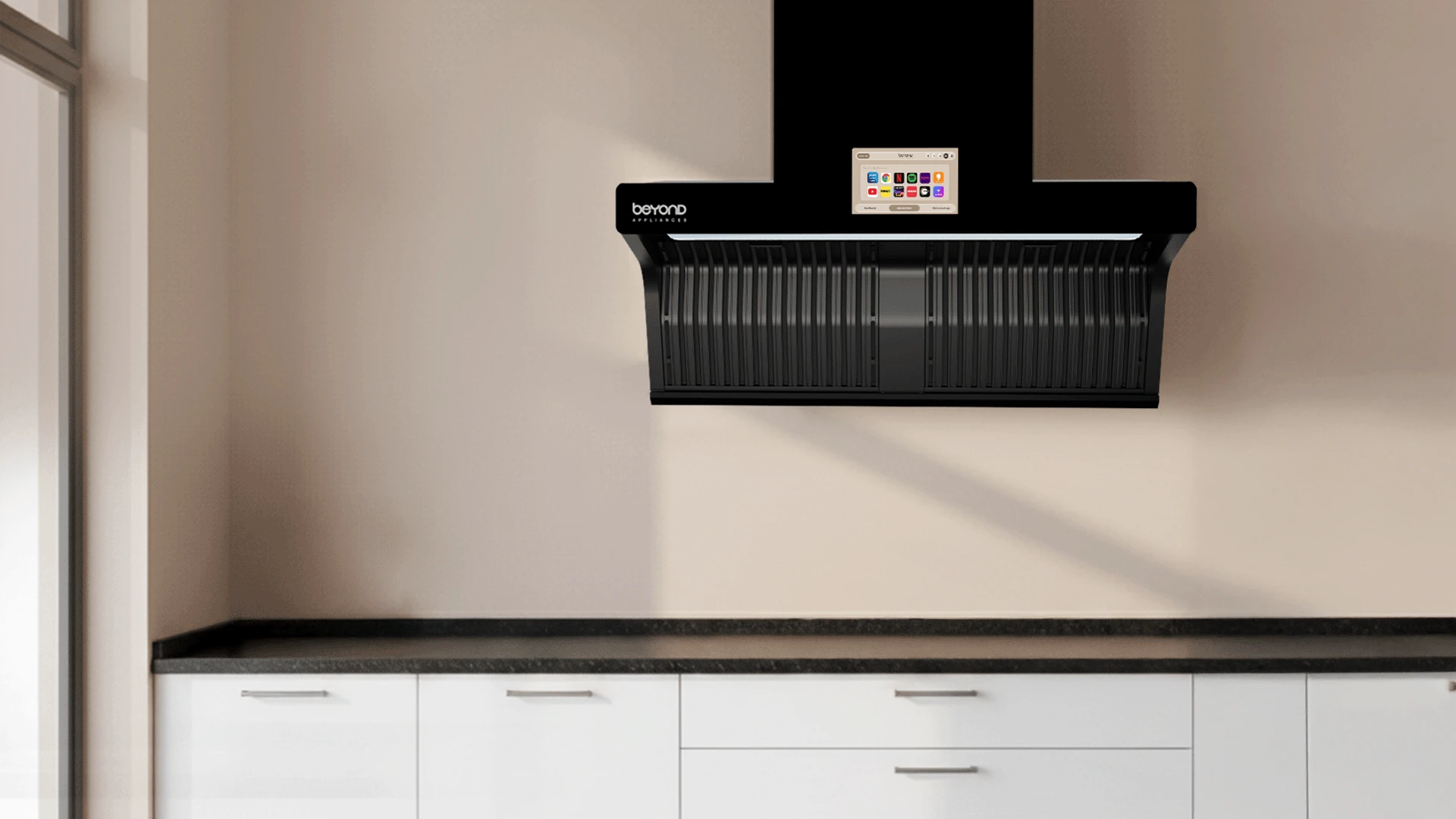
Straight ductwork provides better airflow efficiency than curved installations. However, ductless systems like the PlugnPlay Cube Chimney eliminate ductwork entirely. The Cube installs directly on the wall without the need to break walls or install ducting pipes, offering 1250 CMH suction with 3-sided vents that prevent smoke escape—ideal for Indian cooking.
Today's modern chimney design incorporates advanced technologies that go beyond basic ventilation. These features focus on comprehensive air cleaning rather than just air movement. Smart integration and multi-stage filtration systems represent the latest evolution in kitchen air quality management. Energy efficient chimney designs balance powerful performance with reduced power consumption. Features like LED lighting, variable speed motors, and smart sensors help minimize energy use while maximizing air cleaning effectiveness.
Baffle filters excel at grease capture and are dishwasher-safe for easy maintenance. Cassette filters offer finer particle removal but require more frequent replacement. The best systems combine multiple filter types for comprehensive pollutant removal. Active carbon filters, like those in the PlugnPlay Cube, absorb smoke and remove oil, grease, and odors. The Cube's active carbon filter lasts 4 years, backed by a 4-year warranty, making it extremely cost-effective.
Sensor-based activation automatically starts the chimney when cooking begins. Smart speed adjustment responds to air quality changes in real-time. These features ensure optimal air cleaning without constant manual adjustment.
Compact chimney solutions prove that effective air quality improvement doesn't require large, bulky installations. Modern compact designs deliver powerful performance while fitting seamlessly into smaller kitchens or apartments. These solutions prioritize efficiency and convenience without compromising air cleaning capabilities. Wall-mounted compact chimneys like the PlugnPlay Cube offer exceptional versatility. The Cube's 10-minute installation requires just 2 screws, and it's easily portable—uninstalls in 10 minutes so you can take it wherever you move. Available in 60 cm width with three color options: black, grey, and veneer. Noise reduction features become especially important in compact living spaces. The Cube operates at low 48 dB noise levels, ensuring quiet operation that won't disturb household activities. One-button control simplifies operation, while 2 x 3W LED lights provide adequate kitchen illumination.
Chimney flue optimization ensures consistent airflow and prevents backdrafts that can compromise air quality. Proper flue sizing and materials selection directly impact how effectively your chimney removes pollutants. Understanding these technical aspects helps you choose features that maintain long-term performance. Chimney cap benefits extend beyond weather protection to include improved ventilation efficiency and safety features. Quality caps prevent downdrafts while allowing optimal air removal during normal operation.
Insulated chimney liners maintain consistent temperatures for better airflow. Appropriate sizing calculations ensure adequate air removal capacity for your cooking needs. Heat-resistant materials preserve structural integrity under high-temperature conditions.
Weather protection maintains ventilation efficiency during storms or high winds. Spark arrestor integration provides safety benefits for gas cooking applications. Anti-downdraft designs ensure consistent air removal regardless of external weather conditions.
Chimney draft improvement often comes down to proper installation and regular maintenance. Even the best features won't perform optimally without correct positioning and consistent upkeep. Understanding maintenance requirements helps you preserve air quality benefits long-term. Optimal height and positioning create natural draft effects that enhance mechanical ventilation. Regular cleaning schedules prevent filter clogging and maintain suction efficiency. Professional installation ensures all features work together effectively for maximum air quality improvement. Signs your chimney needs attention include reduced suction power, increased noise levels, or persistent cooking odors. Addressing these issues promptly maintains optimal air quality performance and extends equipment life.
Calculate your kitchen's cubic footage and multiply by 10-15 for light cooking or 15-20 for heavy Indian cooking. A 200 sq ft kitchen typically needs 600-800 CFM for optimal air quality.
Ducted systems remove air outside, while ductless systems like the PlugnPlay Cube filter and recirculate air. Ductless systems offer easier installation and portability while still providing excellent air cleaning through advanced filtration.
Baffle filters need monthly cleaning, while cassette filters require replacement every 3-6 months. Active carbon filters in systems like the Cube last up to 4 years with normal use.
Yes, modern compact designs like the Cube deliver 1250 CMH suction with 3-sided vents specifically designed for Indian cooking. Multi-directional airflow prevents smoke escape even during heavy frying or grilling.
Regular filter cleaning or replacement, annual motor servicing, and ductwork inspection (for ducted systems) maintain peak performance. Ductless systems require minimal maintenance beyond filter care.
Effective chimney features for better air quality combine powerful suction, advanced filtration, and smart design elements. Modern solutions like compact, ductless systems offer installation flexibility without compromising performance. Regular maintenance and proper sizing ensure long-term air quality benefits. Whether you choose traditional ducted systems or innovative ductless designs, the right features transform your kitchen's air quality and create a healthier cooking environment for your family.
