

Essential Chimney Energy Efficiency Checklist
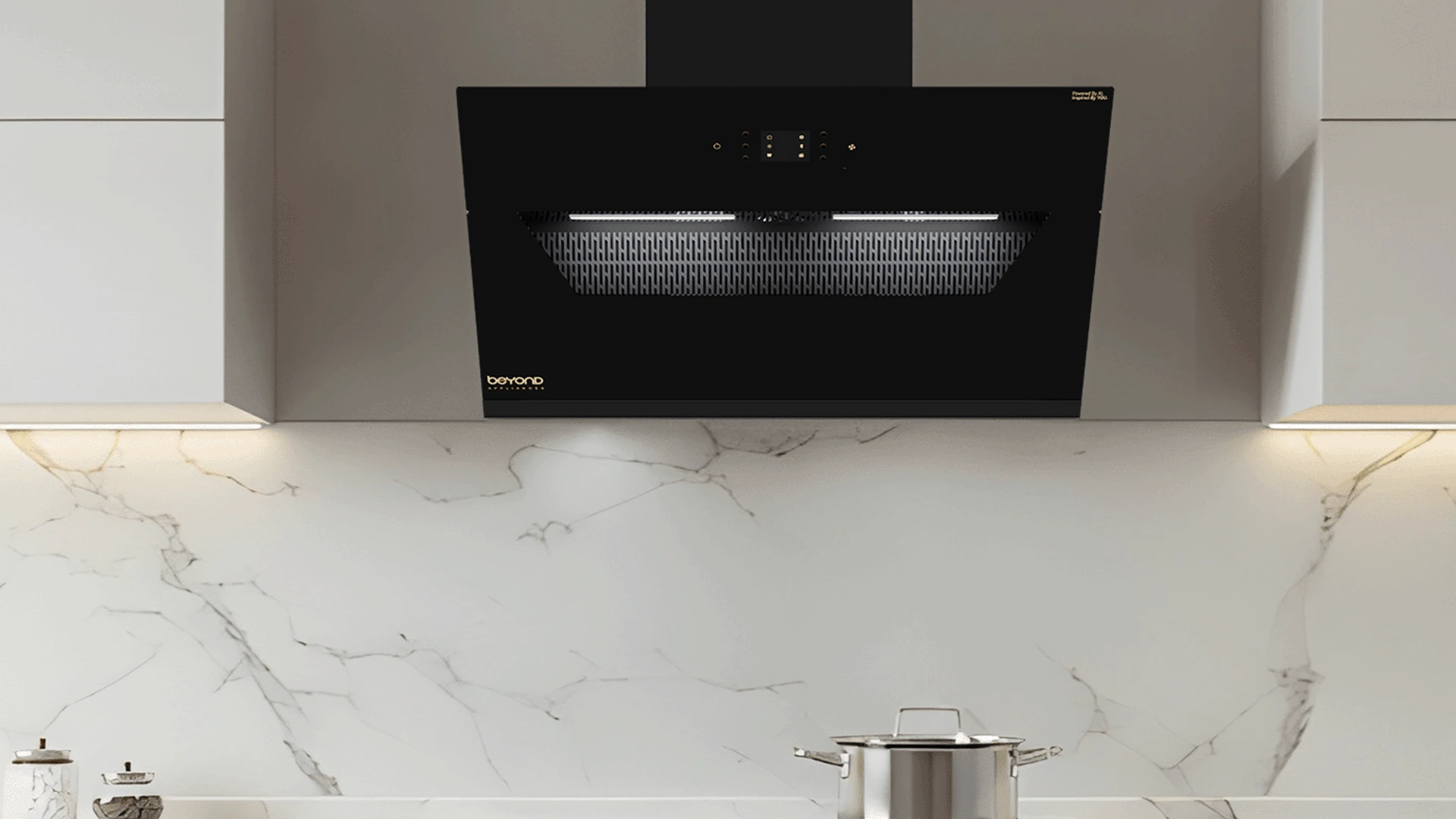
Modern kitchens demand more than just style—they need smart energy solutions that work efficiently while keeping costs low. Understanding chimney energy efficiency explained helps homeowners make informed decisions about their kitchen ventilation systems. With rising energy costs and growing environmental awareness, choosing the right chimney system can significantly impact both your monthly bills and your home's overall energy performance. Today's advanced chimney technologies offer remarkable improvements over traditional designs, combining powerful suction capabilities with intelligent features that optimize energy consumption without compromising performance.
Chimney energy efficiency involves the complex relationship between suction power, heat management, and electrical consumption. Modern energy efficient chimney systems use advanced motor technologies and smart controls to deliver maximum performance while minimizing energy waste.
Traditional chimneys often waste energy through inefficient motors that run at constant speeds regardless of cooking intensity. Heat escape through poorly insulated ducts and inadequate sealing around installation points creates additional energy loss. Many older systems lack proper chimney insulation, allowing heated or cooled air from your kitchen to escape through the ventilation system.
Proper chimney draft ensures optimal airflow without overworking the motor. Modern systems with 1500 CMH suction capacity provide powerful performance while maintaining energy efficiency. Smart sensors can adjust suction levels automatically, reducing energy consumption when full power isn't needed. This intelligent approach to draft management significantly improves overall chimney efficiency.
Typical energy losses occur through motor inefficiency, poor duct insulation, and inadequate sealing. Studies show that properly designed systems can reduce energy consumption by up to 30% compared to basic models. Seasonal variations affect performance, with summer months requiring less intensive operation due to natural convection effects.
Modern energy saving chimney designs incorporate multiple efficiency-enhancing features. These systems balance powerful performance with intelligent energy management to deliver optimal results.
High-efficiency motors with variable speed controls adapt to cooking requirements automatically. Proper chimney insulation around motor housing and ductwork prevents energy loss through thermal bridging. Quality insulation materials with high R-values ensure minimal heat transfer, maintaining kitchen comfort while reducing HVAC load.
Modern chimney designs feature aerodynamic internal components that reduce air resistance and motor strain. Compact chimney options optimize space utilization while maintaining full functionality. Filterless designs eliminate the energy loss associated with air passing through clogged filters, ensuring consistent performance over time.
While kitchen chimneys differ from fireplace efficiency systems, both benefit from proper draft management and insulation. Smart controls help maintain optimal airflow patterns, reducing energy waste while ensuring effective smoke and odor removal.
This comprehensive checklist helps maintain peak chimney efficiency throughout the year. Regular maintenance ensures optimal performance and extends equipment lifespan.
• Motor functionality test: Verify smooth operation across all speed settings
• Ductwork condition assessment: Check for damage or disconnections
• Control system inspection: Test motion sensors and automated features
• LED lighting verification: Ensure proper illumination for cooking safety
• Bluetooth connectivity check: Verify wireless features function properly
• Oil collection tray cleaning: Remove accumulated residue from dry heat auto clean system
• External surface cleaning: Maintain appearance and prevent grease buildup
• Control responsiveness test: Verify motion sensor sensitivity and button functions
• Sound system check: Test dual Bluetooth speakers and FM radio functionality
• Comprehensive motor inspection: Professional assessment of internal components
• Efficiency testing and calibration: Verify optimal suction performance
• Safety system verification: Ensure all automated features work correctly
• Warranty service check: Utilize extended warranty options for preventive maintenance
Compact chimney designs offer space-efficient solutions without compromising performance. These systems integrate seamlessly into contemporary kitchen layouts while delivering powerful functionality.
T-shaped and curved chimney designs maximize installation flexibility while maintaining optimal airflow patterns. Android chimneys with smart connectivity provide remote control capabilities, allowing users to optimize energy consumption from anywhere in the home. Slant or inclined designs work effectively in kitchens with unique architectural requirements.
Motion sensor control eliminates unnecessary operation, turning the system on only when needed. AI whistle counter technology automatically adjusts operation based on cooking intensity, optimizing energy use. Auto turn-off timers prevent forgotten operation, reducing energy waste and extending motor life.
Sleek profiles available in 60cm and 90cm widths accommodate various kitchen sizes. Filterless designs eliminate maintenance hassles while ensuring consistent airflow. LED lighting systems provide energy-efficient illumination with 1x3W lights in 60cm models and 2x3W lights in 90cm versions.
Identifying and addressing efficiency issues early prevents energy waste and maintains optimal performance. Understanding common problems helps homeowners take appropriate action.
Inadequate suction often results from improper installation or ductwork problems. Smoke spillage indicates insufficient chimney draft or blocked ventilation paths. Professional assessment can identify specific issues and recommend appropriate solutions.
Poor sealing around installation points allows conditioned air to escape, increasing HVAC costs. Proper weatherproofing and insulation installation prevents thermal bridging. Regular inspection helps identify potential problems before they impact energy efficiency.
Older systems often lack modern efficiency features like variable speed motors and smart controls. Cost-benefit analysis helps determine when replacement offers better value than continued repairs. Modern systems with extended warranty options provide long-term peace of mind.
Balancing professional services with appropriate DIY maintenance ensures optimal efficiency while managing costs. Understanding which tasks require professional expertise helps homeowners make informed decisions.
Regular cleaning of accessible surfaces maintains appearance and prevents grease accumulation. Oil collection tray maintenance using the dry heat auto clean system requires minimal effort. Basic control testing ensures all features function properly between professional services.
Certified installation ensures optimal performance and warranty compliance. Professional efficiency audits identify improvement opportunities and verify proper operation. Extended warranty services provide ongoing support and maintenance scheduling.
Phased improvements allow budget-conscious upgrades over time. Free delivery and installation services reduce initial investment requirements. After-sales service support ensures long-term performance and efficiency.
Modern energy-efficient chimneys with smart controls and variable speed motors can reduce energy consumption by 25-40% compared to basic constant-speed models. The actual savings depend on usage patterns and specific features like motion sensors and auto-off timers.
Most efficiency upgrades pay for themselves within 2-4 years through reduced energy costs and improved performance. Systems with smart features and extended warranties often provide additional value through reduced maintenance costs.
Monitor monthly energy consumption, observe suction performance during cooking, and note any unusual sounds or vibrations. Professional efficiency testing provides detailed measurements and improvement recommendations.
Yes, upgrading to systems with smart controls, motion sensors, and efficient motors often requires minimal structural changes. Many modern designs work with existing ductwork and electrical connections.
Modern compact designs often exceed traditional efficiency levels through advanced motor technology and optimized airflow patterns. Features like filterless operation and smart controls enhance performance in smaller packages.
Motion sensor control, AI whistle counter, auto turn-off timers, and variable speed operation significantly improve efficiency. These features ensure the system operates only when needed and at optimal levels.
Chimney energy efficiency explained involves understanding how modern technology optimizes performance while minimizing consumption. Smart features like motion sensors, auto-off timers, and variable speed motors deliver significant energy savings. Regular maintenance using built-in features like dry heat auto clean ensures sustained efficiency. Professional installation and extended warranty options provide long-term value and peace of mind. Compact modern designs prove that space-efficient solutions can deliver exceptional performance without compromising energy efficiency.
