

Essential Checklist: Small Kitchen Chimney Features
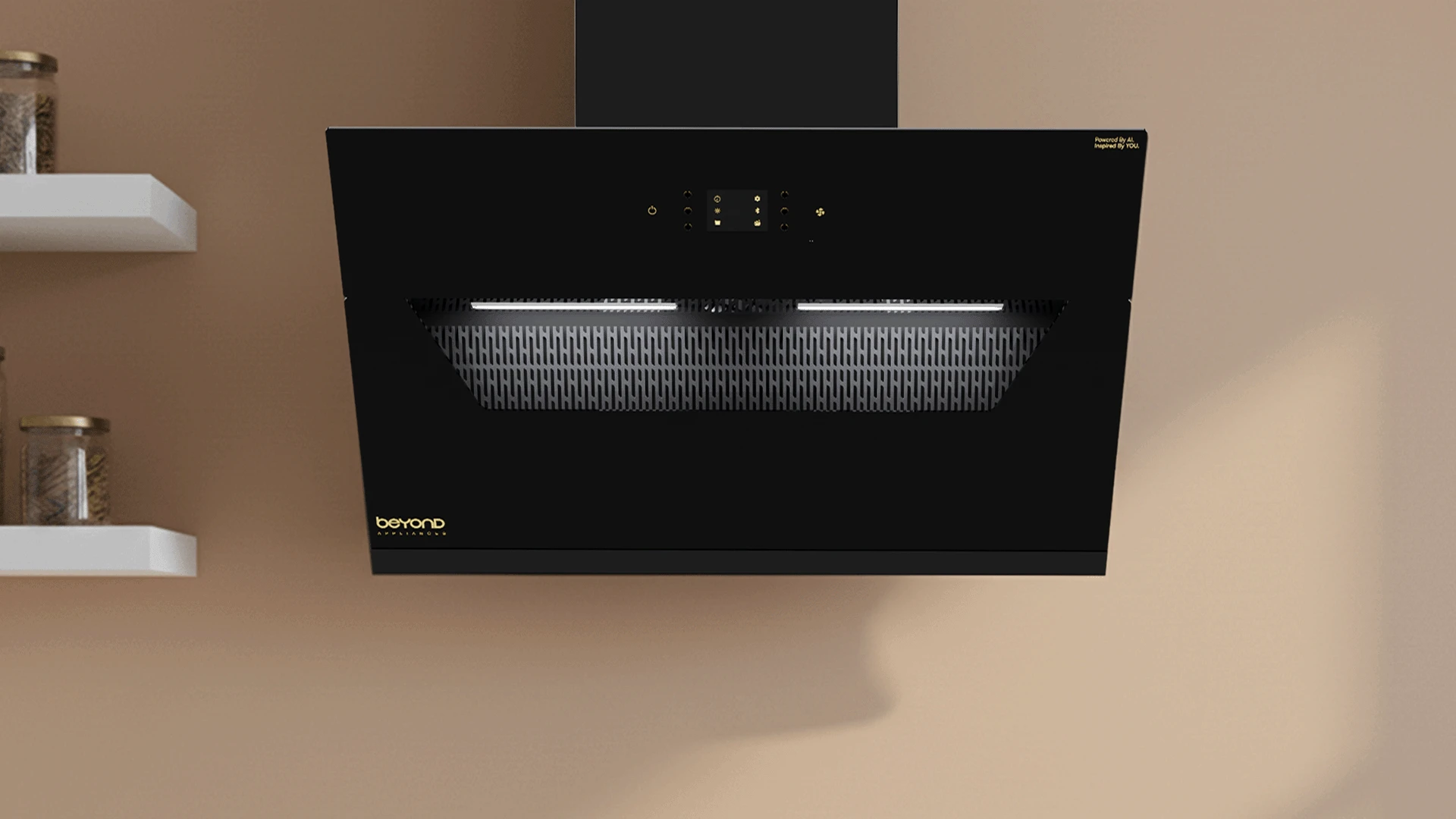
Small kitchens present unique challenges when selecting the right chimney. Every square inch matters, and choosing the wrong features can overwhelm your space or underperform when you need it most. The key lies in understanding which chimney features for small kitchens deliver maximum impact without compromising your kitchen's functionality or aesthetics. This comprehensive checklist will guide you through essential features that make the difference between a cramped cooking space and an efficiently ventilated culinary haven.
Selecting the right small kitchen chimney requires a strategic approach to feature prioritization. Unlike larger kitchens where you might have room for multiple appliances, compact spaces demand chimneys that deliver multiple benefits in one streamlined package. Essential features focus on core functionality: adequate suction power, space-efficient design, and easy maintenance access. These non-negotiable elements ensure your chimney performs its primary job of removing smoke, grease, and odors effectively. Nice-to-have features include advanced smart controls, decorative lighting, or premium finishes that enhance convenience but aren't critical for basic operation. The impact on kitchen functionality extends beyond just ventilation. A well-chosen chimney preserves your limited counter space, maintains clear sightlines, and integrates seamlessly with your existing layout. Poor feature selection can create bottlenecks, reduce storage options, or overwhelm the visual balance of your compact kitchen. Cost considerations become more critical in small kitchens where every purchase must justify its space footprint. Investing in quality core features often proves more valuable than paying for numerous bells and whistles that you may rarely use in a compact cooking environment.
Effective compact kitchen ventilation starts with smart design choices that maximize functionality while minimizing spatial impact. The right design features can transform even the smallest kitchen into an efficiently ventilated cooking space.
Wall-mounted chimneys typically work better in small kitchens because they don't interfere with overhead storage or lighting. They mount directly above your cooktop against the wall, creating a clean vertical line that doesn't break up the ceiling space.
Look for chimneys with depths under 45cm to avoid protruding too far into your cooking area. Straight-line designs without bulky curves or decorative elements maintain clean sight lines and prevent the chimney from dominating your small space visually.
Some modern designs allow partial integration with upper cabinets, creating a built-in appearance that maximizes storage while maintaining effective ventilation. This approach works particularly well with space saving chimney models designed for seamless cabinet integration.
Performance features determine how effectively your modern kitchen hood handles the demands of daily cooking. In small kitchens, these features must work harder due to limited air circulation space.
Small kitchens typically need 400-600 CFM (cubic feet per minute) for effective ventilation. However, Indian cooking often requires higher capacity. Look for models offering 1000+ CFM like systems with 1250 CMH suction that can handle heavy spice use and oil-based cooking methods common in Indian cuisine.
In compact spaces, noise becomes more noticeable. Target chimneys operating below 50 decibels at maximum speed. Some advanced models achieve low 48 dB noise levels, ensuring comfortable conversation during cooking.
Baffle filters work best for heavy cooking, while cassette filters suit lighter use. Consider models with long-lasting filters like 4-year filter life options that reduce maintenance frequency and replacement costs over time.
Smart features in contemporary range hood systems enhance convenience without adding bulk. These technologies prove especially valuable in small kitchens where every interaction should be effortless.
Complex control panels can overwhelm small kitchen designs. Look for streamlined options like one button control to operate every function, which reduces visual clutter while maintaining full functionality.
Smart sensors detect smoke and cooking vapors automatically, adjusting suction power without manual intervention. This feature proves invaluable when your attention focuses on multiple cooking tasks in a compact workspace.
Built-in LED lights eliminate the need for separate task lighting above your cooktop. Quality systems include 2 x 3W LED lights that provide adequate illumination for food preparation while maintaining energy efficiency.
Different kitchen exhaust options suit various small kitchen configurations. Understanding these options helps you select the most appropriate system for your specific layout constraints.
Ducted systems require external venting but offer superior performance for heavy cooking. Ductless systems like the innovative PlugnPlay Cube Chimney eliminate ducting requirements entirely, installing directly on walls without core cutting or pipe installation.
Some systems offer remarkable installation convenience. The Cube chimney features 10-minute installation with just 2 screws, making it ideal for renters or those wanting minimal installation disruption. Its easily portable design allows relocation in just 10 minutes when moving homes.
Advanced designs incorporate 3-sided vents that capture smoke from multiple directions, preventing escape around the chimney's perimeter. This feature proves especially important in small kitchens where cooking vapors can quickly overwhelm the limited air space.
Ventilation solutions for small spaces require precise sizing and strategic placement to achieve optimal performance without overwhelming the kitchen's proportions.
Most small kitchens work best with 60cm chimneys that provide adequate coverage without dominating the space. The chimney should extend slightly beyond your cooktop's width on both sides for complete smoke capture.
Install chimneys 24-30 inches above gas cooktops and 18-24 inches above electric surfaces. In small kitchens with standard 8-foot ceilings, this positioning ensures adequate clearance while maintaining effective suction.
Your chimney should cover the entire cooking surface plus 3-6 inches on each side. This overlap ensures complete smoke capture even when using multiple burners simultaneously in your compact cooking area.
Prioritize adequate suction power (1000+ CFM for Indian cooking), space-efficient design, low noise operation, and easy maintenance access. These core features ensure effective ventilation without overwhelming your compact kitchen.
Select a 60cm chimney for most small kitchens. Ensure it extends 3-6 inches beyond your cooktop on each side and maintains proper height clearances of 24-30 inches above gas surfaces.
Indian cooking requires higher suction power due to spices and oil use. Look for models with 1200+ CFM or 1250 CMH suction capacity to handle heavy cooking effectively in compact spaces.
Yes, auto-clean features prove especially valuable in small kitchens where accessing the chimney for manual cleaning can be challenging. They reduce maintenance frequency and ensure consistent performance.
Baffle filters handle heavy cooking better and last longer, making them ideal for frequent Indian cooking. Cassette filters work well for lighter cooking but require more frequent replacement.
Yes, but choose slim-profile models and ensure minimum 24-inch clearance above gas cooktops. Some ductless options like wall-mounted units work better in low-ceiling situations.
Selecting the right chimney features for your small kitchen requires balancing performance, space efficiency, and budget considerations. Focus on essential features like adequate suction power, space-saving design, and reliable filtration before considering advanced smart features. Remember that in compact kitchens, every feature must earn its place through functionality rather than novelty. The best small kitchen chimneys deliver powerful performance in streamlined packages that enhance rather than overwhelm your cooking space. Consider innovative solutions like ductless systems that eliminate installation complexity while providing effective ventilation. With careful feature selection, even the smallest kitchen can achieve professional-level ventilation that makes cooking more enjoyable and your home more comfortable.
