

Essential Checklist: Optimal Kitchen Chimney Layouts
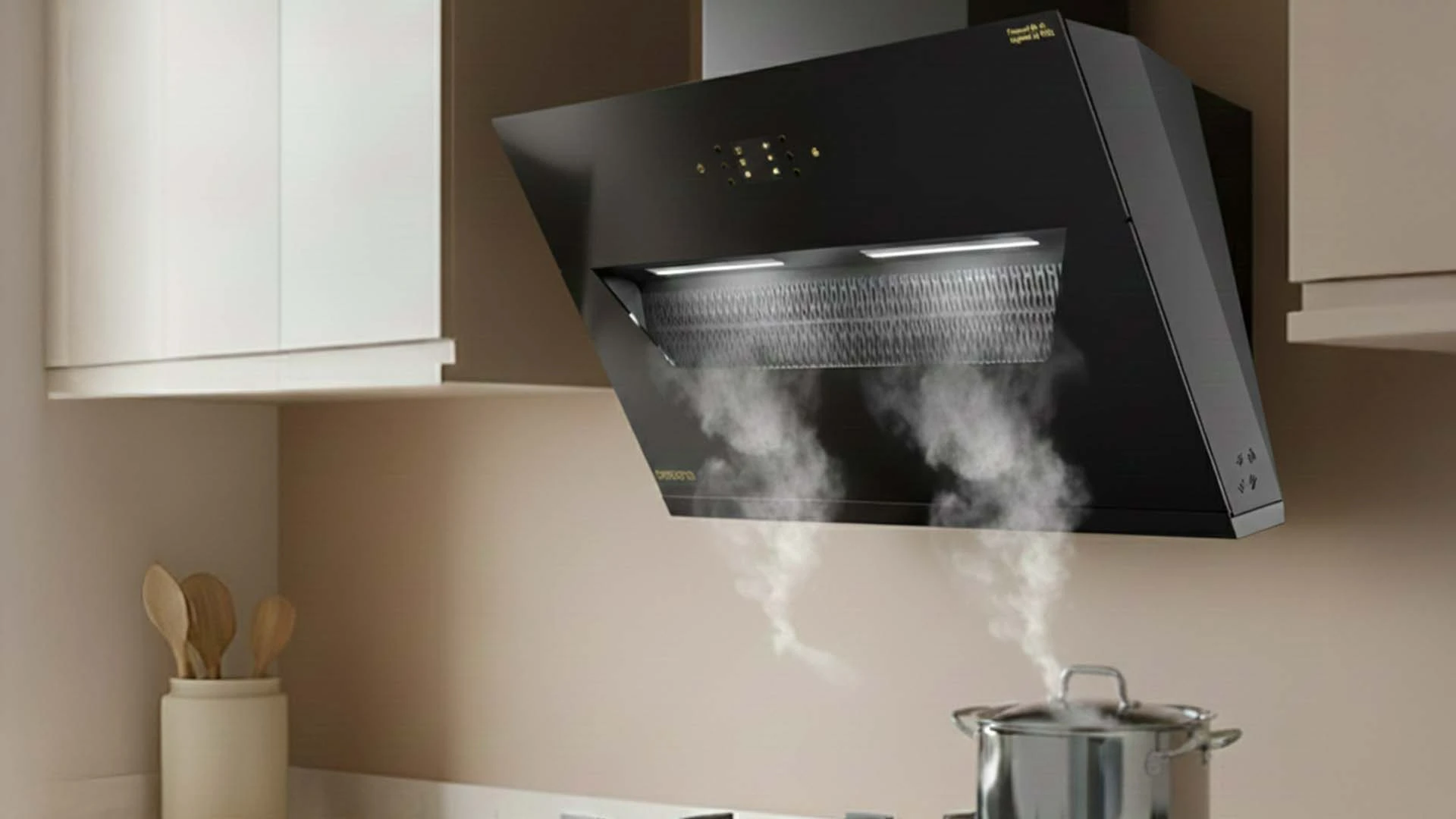
Creating the perfect kitchen requires careful planning, especially when it comes to ventilation systems. The right kitchen chimney layout can transform your cooking experience while maintaining a clean, odor-free environment. Modern homeowners face unique challenges in balancing functionality with aesthetic appeal, particularly in compact urban spaces. Understanding the best kitchen chimney layouts helps you make informed decisions that enhance both cooking efficiency and kitchen design. Whether you're renovating an existing kitchen or planning a new one, proper chimney placement significantly impacts air quality, cooking comfort, and overall kitchen functionality.
Successful kitchen chimney design starts with understanding your space and cooking requirements. The layout directly affects ventilation efficiency, maintenance accessibility, and visual integration with your kitchen's overall design.
Kitchen size determines the type and power requirements for your ventilation system. Ceiling height influences mounting options and clearance measurements. Standard installations require 24-30 inches clearance between the cooktop and chimney bottom for gas stoves, while electric cooktops need 20-24 inches. Cooking habits play a crucial role in chimney selection. Heavy Indian cooking with frequent frying and spice usage demands higher suction capacity, typically 1000-1500 CMH (Cubic Meters per Hour). Light cooking requires 600-900 CMH capacity.
Efficient kitchen ventilation follows specific airflow dynamics. Proper suction power calculation involves multiplying kitchen area by 10-12 for moderate cooking or 15-20 for heavy cooking. This ensures adequate air circulation and odor removal. Noise levels matter significantly in open-plan kitchens. Quality chimneys operate between 45-55 dB, ensuring comfortable cooking environments without disturbing family activities or conversations.
Different kitchen configurations require specific chimney layout approaches. Understanding these variations helps optimize ventilation efficiency while maintaining design harmony.
Small kitchens benefit from space-saving chimney designs that maximize functionality without overwhelming the area. Wall-mounted chimneys work excellently in compact spaces, offering efficient ventilation while preserving valuable cabinet storage. The PlugnPlay Cube Chimney represents innovative compact kitchen chimney solutions. No Core Cutting, No Ducting: Cube installs directly on the wall without the need to break the walls or install the ducting pipe. This 10-Minute Installation process requires just 2 screws, making it ideal for rental properties or quick kitchen updates.
Open kitchens require powerful ventilation systems that handle larger air volumes. Island chimneys become focal points while providing 360-degree suction coverage. Ceiling-mounted installations offer flexibility in positioning and create dramatic visual impact. Airflow management in open spaces requires higher capacity units, typically 1200-1800 CMH, to prevent cooking odors from spreading to living areas.
Linear kitchen arrangements benefit from strategically positioned wall-mounted chimneys. Corner installations in L-shaped kitchens maximize space utilization while ensuring effective ventilation coverage. Traffic flow considerations become important in narrow galley kitchens. Slant chimneys provide better headroom clearance, allowing comfortable movement while cooking.
Contemporary kitchen design emphasizes seamless integration between functionality and aesthetics. Modern chimney designs complement various kitchen styles while delivering superior performance.
Sleek glass and stainless steel combinations create sophisticated appearances that complement modern kitchen aesthetics. Hidden chimney installations maintain clean lines while providing powerful ventilation. Color coordination with kitchen cabinets ensures visual harmony. Black, grey, and veneer finishes offer versatility in matching different design schemes. The Cube chimney comes in these three popular colors, providing options for various kitchen styles.
Technology integration enhances user experience through intelligent controls and automated functions. Touch controls and gesture sensors provide convenient operation without physical contact, maintaining hygiene standards. LED lighting integration serves dual purposes - task lighting for cooking and ambient lighting for kitchen atmosphere. Energy-efficient LED systems reduce electricity consumption while providing excellent illumination.
Optimal chimney positioning ensures maximum smoke and odor capture while maintaining safety standards. Proper placement significantly impacts ventilation effectiveness and cooking comfort.
Standard mounting heights vary based on cooktop type and chimney design. Gas cooktops require 26-30 inches clearance, while electric cooktops need 22-26 inches. These measurements ensure effective suction without compromising safety. Ceiling height influences chimney selection and positioning. Standard 9-foot ceilings accommodate most wall-mounted designs comfortably. Higher ceilings may require extended chimney models or ceiling-mounted installations.
Traditional installations require extensive ductwork planning, including external wall access and structural modifications. However, ductless chimney solutions eliminate these complications entirely. The Cube's Working demonstrates advanced ductless technology: The carbon filters absorb the smoke, then remove the oil, grease & odour. Clean, cool & breathable air is then sent back into your kitchen. This 4 Year Filter Life system, backed by a 4-year warranty, provides long-term value.
Understanding different chimney types helps select the most suitable option for your specific requirements. Each configuration offers distinct advantages depending on kitchen layout and usage patterns.
Slant chimneys provide superior space utilization, offering better headroom clearance in compact kitchens. Their angled design facilitates easier cleaning and maintenance access. Curved chimneys excel in airflow dynamics, creating smoother air circulation patterns. Their aesthetic appeal suits contemporary kitchen designs while delivering efficient performance.
Ductless systems offer installation flexibility, particularly beneficial for apartments or homes without external wall access. The Cube chimney exemplifies this advantage - Easily Portable- Uninstalls in 10 minutes. Take it wherever you move. Filtration effectiveness in ductless systems has improved significantly. Advanced carbon filtration technology removes odors, grease, and smoke particles effectively, making ductless options viable for heavy cooking.
Proper installation ensures optimal performance, safety, and longevity. Following established guidelines prevents common issues and maximizes your investment value.
Electrical requirements include dedicated circuits for high-power chimneys. Most units require 15-20 amp circuits with proper grounding for safe operation. Structural assessment determines wall strength and mounting requirements. Heavy chimneys may need additional support brackets or reinforcement.
Incorrect sizing leads to inadequate ventilation or excessive noise. Matching chimney width to cooktop size ensures optimal performance - typically 60cm chimneys for standard cooktops. Poor positioning affects suction efficiency. Centering the chimney over the cooking area maximizes smoke capture, while proper height maintains safety clearances.
Compact kitchen chimney solutions work best for small spaces. Wall-mounted slant chimneys provide excellent space utilization while maintaining effective ventilation. Ductless options like the Cube chimney offer 1250 CMH Suction with 3 Sided Vents, ensuring comprehensive smoke capture without requiring extensive installation modifications.
Calculate suction power by multiplying kitchen area by 10-12 for light cooking or 15-20 for heavy Indian cooking. A 100 square foot kitchen typically requires 1000-1500 CMH capacity. Consider cooking frequency, spice usage, and kitchen ventilation when selecting power ratings.
Both designs offer excellent performance with different advantages. Slant chimneys provide better space utilization and easier maintenance access, ideal for compact kitchens. Curved chimneys offer superior airflow dynamics and aesthetic appeal, suitable for larger kitchens with higher ceilings.
Modern ductless chimneys with advanced filtration systems effectively handle Indian cooking requirements. The Cube chimney's multi-directional vents and carbon filtration technology remove oil, grease, and odors efficiently. With 1250 CMH suction power, it's specifically designed for Indian cooking demands while operating at low 48 dB noise levels.
Selecting the best kitchen chimney layouts requires balancing functionality, aesthetics, and space constraints. Modern solutions like ductless chimneys offer installation flexibility without compromising performance. Consider your cooking habits, kitchen size, and design preferences when choosing between different chimney types. Proper placement and sizing ensure optimal ventilation efficiency while maintaining safety standards. Advanced features like auto-clean technology, smart controls, and energy-efficient lighting enhance user experience and long-term value. Professional consultation helps navigate technical requirements and ensures compliance with building codes for safe, effective installations.
