

Essential Checklist: Kitchen Hobs Free Installation Guide
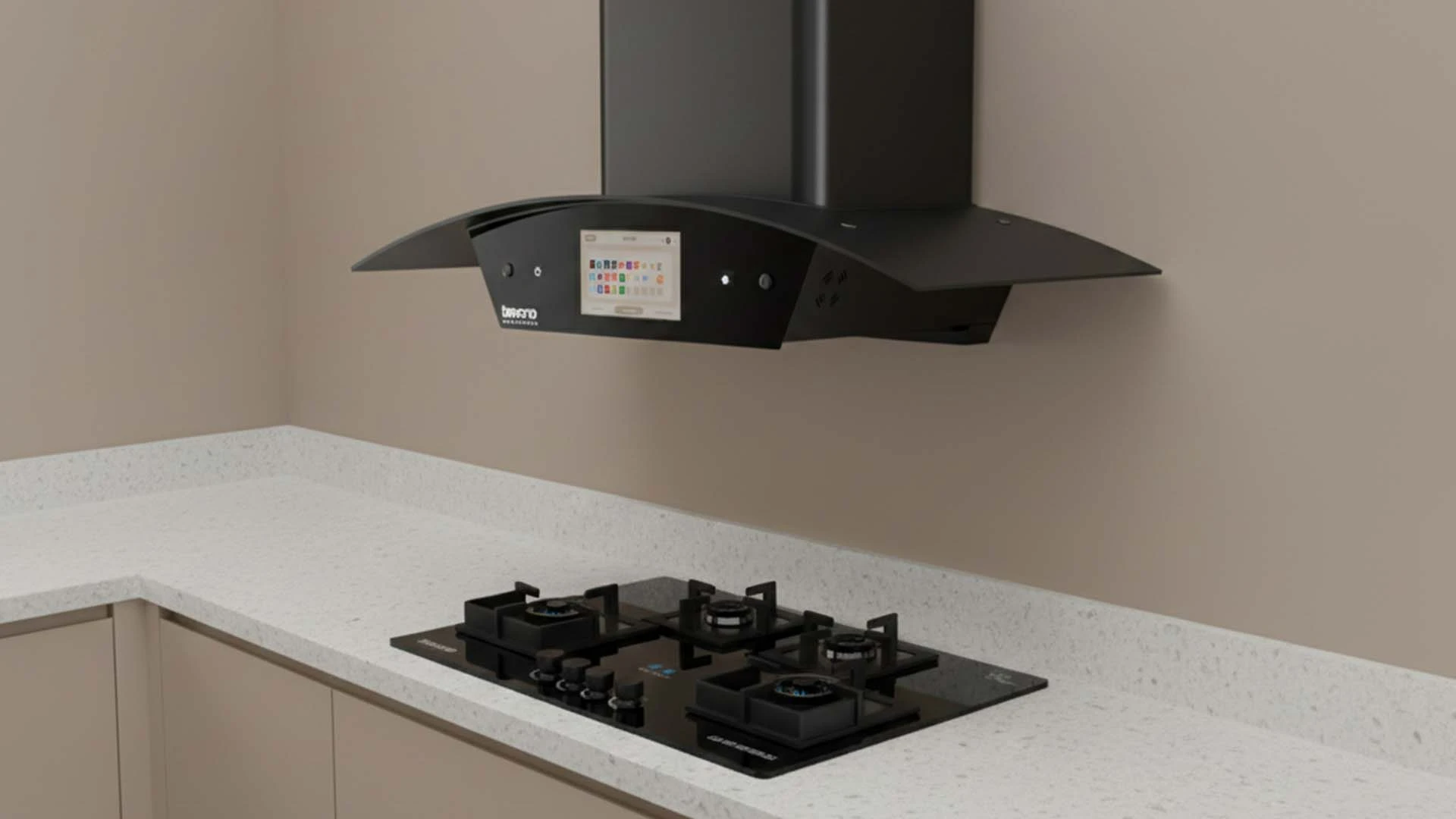
Installing a new kitchen hob can transform your cooking experience, but the process requires careful planning and professional expertise. Whether you're upgrading to a modern gas hob, switching to an energy-efficient induction model, or installing a compact solution for your small kitchen, understanding the installation requirements ensures a smooth, safe setup. Free installation services make premium kitchen hobs more accessible, but knowing what's included and what to expect helps you prepare properly. This comprehensive guide covers everything from pre-installation measurements to safety certifications, ensuring your new hob integrates perfectly into your kitchen.
Free installation services have become a standard offering with premium kitchen hobs, making professional setup accessible to more homeowners. These services typically cover basic installation requirements but understanding the scope helps avoid unexpected costs.
Most kitchen hobs free installation packages include standard mounting, basic gas or electrical connections, and initial testing. The service covers professional fitting into existing cutouts, connection to nearby gas lines or electrical points, and safety checks. However, additional work like new gas line installation, electrical circuit upgrades, or countertop modifications usually incur extra charges. Service warranty typically covers installation workmanship for 6-12 months, while product warranty remains separate. Geographic availability may be limited to major cities and surrounding areas.
Gas hob installation requires qualified Gas Safe registered engineers and covers standard 2-4 burner models. Electric hob installation includes basic wiring to existing 32-amp circuits but excludes new circuit installation. Induction hob installation follows similar electrical requirements with additional electromagnetic compatibility checks. Compact hobs designed for small kitchens often qualify for simplified installation procedures due to their space-saving design.
Proper preparation ensures smooth installation and prevents delays or additional costs. Accurate measurements and documentation streamline the entire process.
Measure your existing cutout dimensions precisely, as standard sizes are 560mm x 490mm for 4-burner models and 510mm x 490mm for 3-burner versions. Ensure minimum 50mm clearance from walls and 760mm from overhead cabinets. Check gas line proximity within 1 meter for gas models, or verify 32-amp electrical supply within reasonable distance for electric variants. Modern kitchen hobs often feature sleek designs requiring specific countertop thickness, typically 20-40mm for optimal support.
Gas installations require current Gas Safe certificates and may need building regulation approval for new connections. Electric installations need electrical compliance certificates, especially for new circuit work. Keep purchase receipts and warranty cards ready for registration. Some areas require local authority permits for gas work, so check regional requirements beforehand.
Gas installations demand strict safety protocols and qualified professionals. Understanding these requirements ensures compliance and safety.
Only Gas Safe registered engineers can legally install gas appliances in most regions. Verify engineer credentials before work begins, as unqualified installation voids warranties and insurance coverage. Safety regulations mandate specific procedures for gas connections, pressure testing, and leak detection. While free installation covers basic connection work, complex gas line modifications require additional certified work.
Gas supply lines need pressure testing before connection to ensure adequate flow rates. Professional leak detection using approved solutions confirms connection integrity. Emergency shut-off valves must be easily accessible and clearly marked. Installation includes flame failure device testing and auto-ignition system verification for models like the Hobtop Dorada with its smart safety features.
Electric installations require proper electrical infrastructure and safety compliance. Understanding power requirements prevents installation delays.
Most electric hobs need dedicated 32-amp circuits with appropriate cable sizing and circuit protection. Professional electricians must install cooker control units within 2 meters of the hob location. Existing electrical systems may need upgrading to handle high-power requirements safely. Safety regulations mandate proper earthing and RCD protection for all new installations.
Induction hob installation requires stable power supply with minimal voltage fluctuation for optimal performance. Check cookware compatibility before installation, as only magnetic-base vessels work effectively. Ensure adequate ventilation despite lower heat generation, and verify no electromagnetic interference with nearby electronic devices. Professional testing confirms proper power delivery and safety system functionality.
Selecting the right hob type and size ensures optimal performance and seamless integration with your kitchen design.
Compact hobs maximize functionality in limited spaces while maintaining cooking versatility. Two and three-burner models fit smaller cutouts while providing adequate cooking capacity for most households. Built-in installation creates seamless countertop integration, while freestanding options offer flexibility. The convertible design of models like Hobtop Dorada allows both built-in and tabletop use, adapting to different kitchen layouts.
Modern kitchen hobs incorporate advanced features like smart timers, flame failure devices, and auto-ignition systems. Full brass burners provide durability and gas efficiency, while cast iron supports ensure cookware stability. Toughened glass surfaces handle high temperatures while remaining scratch-resistant. Spill-proof designs prevent liquid damage, and vessel collision-free layouts allow simultaneous use of all burners.
Professional installation follows systematic procedures ensuring safety and optimal performance. Understanding the process helps you prepare appropriately.
Installation typically takes 1-3 hours depending on complexity and hob type. Engineers begin with site inspection, verifying measurements and connection requirements. The actual fitting process includes secure mounting, connection work, and comprehensive testing. Post-installation demonstration covers operation, safety features, and maintenance requirements. Quality installations include cleanup and disposal of packaging materials.
Thorough testing verifies all safety systems function correctly, including flame failure devices and auto-ignition mechanisms. Gas installations require leak testing and pressure verification, while electric models need electrical safety checks. Performance testing ensures even heat distribution and proper control response. Warranty activation and hob repair service information complete the installation process.
Yes, many retailers offer free basic installation with hob purchases. This covers standard fitting into existing cutouts and connections to nearby gas or electrical supplies. Additional work like new gas lines or electrical circuits incurs extra charges.
Extra costs may include new gas line installation (INR 2,000-5,000), electrical circuit upgrades (INR 3,000-8,000), countertop modifications (INR 1,500-4,000), or extended service areas (INR 500-1,500).
No, gas hobs require Gas Safe registered engineers, not plumbers. These specialists have specific training for gas appliance installation and safety procedures.
Electric and induction hobs need qualified electricians for safe installation. They ensure proper circuit capacity, safety compliance, and electrical code adherence.
Annual servicing by qualified engineers maintains safety and performance. This includes cleaning, safety system checks, and gas connection inspection.
Successful kitchen hobs free installation depends on proper preparation, qualified professionals, and understanding service scope. Whether choosing gas, electric, or induction models, ensure adequate infrastructure and safety compliance. Professional installation guarantees optimal performance and maintains warranty coverage. Regular maintenance and proper usage extend hob lifespan while ensuring continued safety. Choose reputable brands with comprehensive installation support and reliable after-sales service for the best long-term value.
