

Essential Checklist: Kitchen Cleaning Tech Benefits
Modern kitchens are transforming with smart technology that makes cleaning easier and more effective. The benefits of kitchen cleaning technology go far beyond simple convenience. Today's automated systems deliver superior hygiene, save precious time, and create healthier cooking environments. From self-cleaning ovens to touchless faucets, these innovations are reshaping how we maintain our kitchens. Smart appliances now handle tasks that once required hours of manual scrubbing, while advanced filtration systems ensure cleaner air and surfaces.
The most compelling advantage of modern kitchen hygiene technology lies in its ability to create safer cooking environments. Advanced cleaning systems eliminate harmful bacteria more effectively than traditional methods, protecting your family's health with every meal preparation.
Smart kitchen appliances use UV-C sterilization and high-temperature cleaning cycles to destroy pathogens that manual cleaning might miss. Modern dishwashers reach temperatures of 70°C or higher, ensuring complete sanitization. Self-cleaning ovens use pyrolytic technology that burns away bacteria and food residue at temperatures exceeding 400°C.
Touchless kitchen technology minimizes contact with potentially contaminated surfaces. Motion-sensor faucets, automatic soap dispensers, and voice-controlled appliances reduce the spread of germs. Smart sensors detect contamination levels and adjust cleaning cycles accordingly, ensuring thorough sanitization without guesswork.
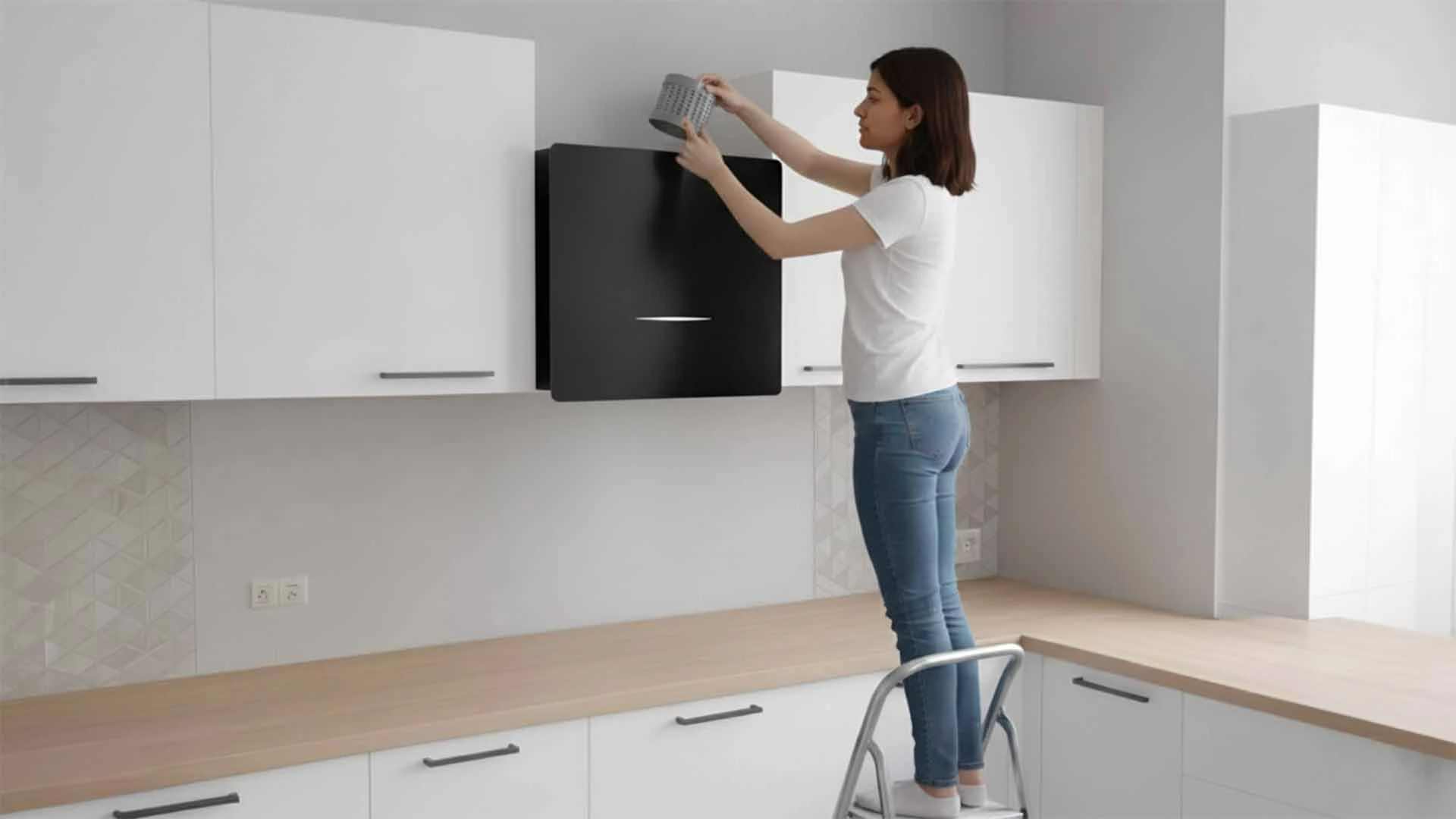
Advanced chimney systems with smart filtration technology capture grease, smoke, and cooking odors more efficiently. These systems automatically adjust suction power based on cooking intensity, maintaining optimal air quality. Regular automated cleaning cycles prevent grease buildup that can harbor bacteria and create unpleasant odors.
Kitchen cleaning automation transforms daily routines by handling time-consuming tasks automatically. Modern appliances work while you focus on other activities, dramatically reducing the time spent on kitchen maintenance.
Automated dishwashing systems feature smart load detection that optimizes water usage and cycle duration. These systems eliminate the need for extensive pre-rinsing, saving up to 30 minutes per load. Energy-efficient programs adjust temperature and duration based on soil levels, ensuring perfect results every time.
Self-cleaning kitchen appliances handle maintenance tasks without human intervention. Steam-cleaning microwaves eliminate food splatters with the touch of a button. Coffee machines run automatic descaling cycles, maintaining optimal performance and extending equipment life. These features save hours of manual cleaning each week.
App-controlled cleaning cycles allow you to start dishwashers or ovens remotely, ensuring clean appliances when you arrive home. Predictive maintenance alerts notify you before issues occur, preventing costly repairs. Integration with smart home systems enables coordinated cleaning schedules across multiple appliances.
Compact kitchen cleaning solutions prove that small spaces don't require compromising on cleanliness. Modern technology delivers powerful cleaning performance in space-efficient designs that fit seamlessly into contemporary kitchens.
Countertop dishwashers with advanced features provide full-size performance in compact units. Multi-function cleaning appliances combine steaming, sanitizing, and drying capabilities in single devices. Vertical storage solutions maximize cleaning tool accessibility while minimizing counter space usage.
Kitchen cleaning gadgets include robotic cleaners that scrub surfaces automatically and ultrasonic devices that clean delicate items without damage. Steam cleaning devices eliminate 99.9% of bacteria using only water, reducing chemical dependency. These gadgets integrate easily into existing kitchen layouts without major renovations.
Modern cleaning technology features sleek designs that complement contemporary kitchen aesthetics. Hidden cleaning compartments maintain clean lines while providing easy access to cleaning supplies. Seamless appliance integration creates cohesive kitchen designs that prioritize both function and beauty.
Investing in smart kitchen cleaning technology delivers significant financial returns through reduced maintenance costs, lower utility bills, and extended appliance lifespans. These systems pay for themselves through improved efficiency and reduced replacement needs.
Automated cleaning reduces wear on appliances by maintaining optimal operating conditions. Preventive maintenance features detect issues early, avoiding costly repairs. Smart appliances often include extended warranties, providing additional value and peace of mind for homeowners.
Water-efficient cleaning cycles reduce consumption by up to 40% compared to manual washing. Energy-saving smart features optimize power usage during off-peak hours, lowering electricity costs. Reduced chemical cleaning product usage saves money while protecting the environment.
Typical payback periods range from 2-4 years through utility savings and reduced maintenance costs. Modern kitchen technology increases home values by 5-10%, making it a smart investment. Time savings translate to approximately INR 15,000-25,000 annually in opportunity costs for busy professionals.
Easy kitchen maintenance through technology supports environmental sustainability by reducing chemical usage and conserving resources. Modern systems achieve superior cleaning results while minimizing ecological impact.
Steam and UV cleaning alternatives eliminate the need for harsh chemicals while delivering superior sanitization. Automated dosing systems use precise chemical amounts, reducing waste and environmental impact. Biodegradable cleaning solutions work effectively with smart appliances, supporting eco-friendly practices.
Smart water usage monitoring prevents waste through leak detection and optimal cycle management. Energy-efficient cleaning cycles reduce carbon footprints while maintaining cleaning effectiveness. Eco-mode features automatically select the most environmentally friendly settings without sacrificing performance.
Longer appliance lifespans reduce electronic waste and replacement frequency. Reduced disposable cleaning product packaging minimizes household waste. Recyclable component design supports circular economy principles and responsible disposal practices.
Kitchen cleaning automation saves time, improves hygiene, reduces chemical usage, and extends appliance life. These systems provide consistent cleaning results while freeing up time for other activities.
Smart cleaning technology eliminates bacteria through high-temperature cycles, UV sterilization, and automated sanitization processes. These systems maintain consistent hygiene standards that manual cleaning cannot match.
Yes, compact solutions deliver full-size performance in space-efficient designs. Modern technology maximizes cleaning power while minimizing space requirements, making them ideal for apartments and small homes.
Touchless options include motion-sensor faucets, automatic soap dispensers, voice-controlled appliances, and proximity-activated lighting. These technologies reduce contamination risks and improve convenience.
Self-cleaning features prevent buildup that causes wear and damage. Regular automated maintenance keeps appliances operating at peak efficiency, reducing repair needs and extending operational life.
Automated systems provide consistent sanitization, eliminate human error, and reach temperatures that destroy harmful pathogens. They maintain hygiene standards that manual cleaning cannot consistently achieve.
The benefits of kitchen cleaning technology extend far beyond convenience, delivering measurable improvements in health, efficiency, and cost savings. Smart cleaning systems create safer cooking environments while reducing time spent on maintenance tasks. These technologies prove especially valuable in compact kitchens where space efficiency matters most. Investment in modern cleaning technology pays dividends through reduced utility costs, extended appliance life, and improved home value. Environmental benefits include reduced chemical usage and lower resource consumption, supporting sustainable living practices.
