
Essential Checklist: Finding the Best Simple Cooktop for Beginners
Cart
Your cart is empty
Choosing your first cooktop can feel overwhelming with countless options available in the market. Many new cooks make costly mistakes by selecting appliances that are too complex or unsuitable for their needs. The best simple cooktop for beginners should combine ease of use, safety features, and reliable performance without breaking the budget. This comprehensive guide provides a practical checklist to help you navigate through different types, essential features, and key considerations when selecting your ideal cooking companion.
Selecting the right type of cooktop forms the foundation of your cooking journey. Each technology offers unique benefits that cater to different skill levels and preferences. Understanding these differences helps you make an informed decision that matches your cooking style and kitchen setup.
Electric cooktops provide the smoothest learning curve for new cooks. They offer consistent heat distribution and predictable temperature control, making them an excellent easy to use cooktop choice. The coil or smooth-top designs feature simple dial controls that clearly indicate heat levels from low to high.
Safety features include automatic shut-off timers and heat indicator lights that warn when surfaces remain hot. Most electric models heat up gradually, giving beginners time to adjust cooking techniques without sudden temperature spikes.
An induction cooktop for beginners uses electromagnetic technology to heat cookware directly rather than the surface. This creates faster heating times and precise temperature control while keeping the cooktop surface relatively cool to touch.
Energy efficiency reaches up to 90% compared to 40-50% for gas or electric models. The automatic pan detection feature prevents accidental activation, while built-in timers and power level controls simplify cooking processes for new users.
Gas cooktops offer instant heat control and visual flame indicators, but require more attention to safety protocols. Electric and induction models provide gentler learning curves with consistent performance and advanced safety features.
Consider your comfort level with gas appliances, local utility costs, and kitchen ventilation when making this choice. Electric options generally require less maintenance and offer more beginner-friendly features.
The right features transform cooking from a stressful experience into an enjoyable activity. Focus on functionality that supports learning while providing safety and convenience. These features should simplify your cooking process rather than complicate it.
Look for user-friendly cooktop designs with clearly labeled controls and easy-to-read displays. Touch controls offer precise adjustments, while traditional knobs provide tactile feedback that many beginners prefer.
Digital displays should show power levels, timer settings, and cooking zones clearly. Preset functions for common cooking tasks like boiling water or simmering sauces help beginners achieve consistent results.
Auto-shutoff mechanisms prevent overheating and reduce fire risks when you forget to turn off the cooktop. Child lock functions disable controls to prevent accidental activation by curious hands.
Overheat protection systems monitor surface temperatures and automatically reduce power when needed. Residual heat indicators warn when surfaces remain hot after cooking, preventing accidental burns.
A compact cooktop fits perfectly in small kitchens or apartments without sacrificing cooking capability. Most small cooktop models range from 1800W to 2000W, providing adequate power for everyday cooking needs.
Consider your available counter space and electrical requirements when selecting size. Cooktop for small spaces should offer maximum functionality within minimal footprint while maintaining safety clearances.
Contemporary cooktop designs blend functionality with aesthetics to complement modern kitchens. The right design choice enhances your cooking experience while adding visual appeal to your space. Consider both form and function when evaluating different models.
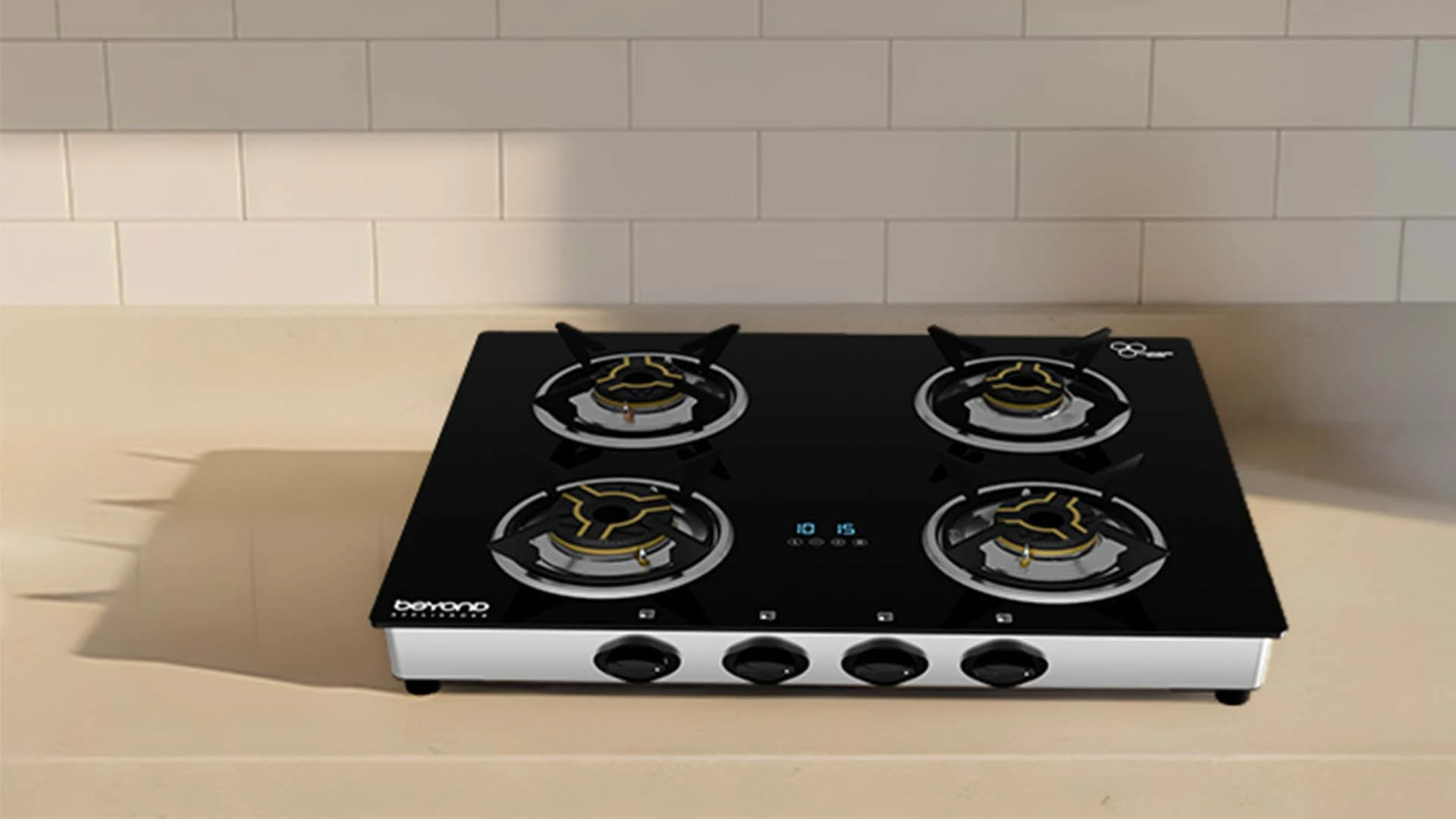
Sleek glass-top designs create seamless integration with contemporary kitchen countertops. Modern cooktop models feature minimalist controls and clean lines that complement various design styles.
Black glass surfaces hide fingerprints and minor scratches better than stainless steel options. LED displays and touch controls add technological sophistication while remaining intuitive for beginners.
Portable units offer flexibility for renters or those wanting to test cooktop preferences before permanent installation. Built-in models provide seamless kitchen integration but require professional installation and electrical work.
Basic cooktop portable models start around INR 3,000 and offer excellent value for beginners. Built-in options typically cost more but add permanent value to your kitchen.
Established brands offer better customer service, readily available replacement parts, and comprehensive warranty coverage. Look for manufacturers that provide local service centers and responsive technical support.
Extended warranty options protect your investment and provide peace of mind during the learning phase. Free installation services add value and ensure proper setup for optimal performance.
A systematic approach eliminates confusion and helps you focus on features that truly matter for your situation. This process ensures you consider all important factors before making your final decision. Take time to evaluate each step thoroughly.
Measure your available counter space accurately, including clearance requirements around the cooktop. Standard compact cooktop models require 2-3 inches of clearance on all sides for proper ventilation.
Check electrical outlet locations and capacity. Most single-burner units require standard 15-amp outlets, while dual-burner models may need 20-amp circuits for optimal performance.
Entry-level simple stovetop options range from INR 2,500 to INR 8,000 and provide basic functionality for learning. Mid-range models between INR 8,000 to INR 20,000 offer advanced features like preset programs and better build quality.
Premium features like touch controls, multiple power levels, and sleek designs justify higher prices when they align with your cooking goals and kitchen aesthetics.
Visit showrooms to test control responsiveness and build quality firsthand. Online reviews provide insights into long-term reliability and common issues from actual users.
Check return policies and trial periods that allow testing in your own kitchen. Some retailers offer 30-day satisfaction guarantees for major appliances.
Proper installation ensures safe operation and optimal performance from your new cooktop. Following manufacturer guidelines prevents damage and maintains warranty coverage. Take time to understand all safety requirements before beginning setup.
Inspect packaging for damage and verify all components match the included checklist. Allow the unit to reach room temperature if delivered in cold weather before plugging in.
Read the complete user manual before first use, paying special attention to safety warnings and operating procedures. Keep warranty cards and purchase receipts in a safe location.
Test existing pots and pans for flat bottoms and appropriate sizes that match cooking zones. Induction models require magnetic cookware, which you can test with a simple magnet.
Budget-friendly cookware sets designed for beginners typically cost INR 2,000 to INR 5,000 and include essential pieces for most cooking tasks.
Start with simple tasks like boiling water to familiarize yourself with controls and heat settings. Clean the surface after each use with appropriate cleaners to maintain appearance and performance.
Establish daily cleaning routines that prevent buildup and extend appliance life. Contact customer support immediately if you notice unusual sounds, smells, or performance issues.
A beginner cooktop features intuitive controls, clear temperature indicators, safety features like auto-shutoff, and consistent heat distribution. Simple dial or touch controls with preset functions help new cooks achieve better results.
Most compact cooktop models require 12-15 inches of counter width and 10-12 inches of depth, plus 2-3 inches clearance on all sides for ventilation and safety.
Yes, induction cooktop for beginners models offer excellent safety features including cool surfaces, automatic pan detection, and precise temperature control that prevents overheating.
Portable units plug into standard outlets and offer flexibility for renters or temporary setups. Built-in models require permanent installation but provide seamless kitchen integration and typically offer more power.
Clean glass surfaces with specialized cooktop cleaners and soft cloths after each use. Avoid abrasive materials that can scratch surfaces. Regular maintenance includes checking electrical connections and keeping vents clear.
Selecting the best simple cooktop for beginners requires balancing functionality, safety, and budget considerations. Focus on essential features like intuitive controls, safety mechanisms, and appropriate size for your space rather than complex functions you may never use. Remember that a reliable user-friendly cooktop grows with your cooking skills and provides years of dependable service. Start with a model that meets your current needs while offering room to expand your culinary adventures as confidence builds in the kitchen.
