

Essential Checklist: Choosing Your Hobtop Finish
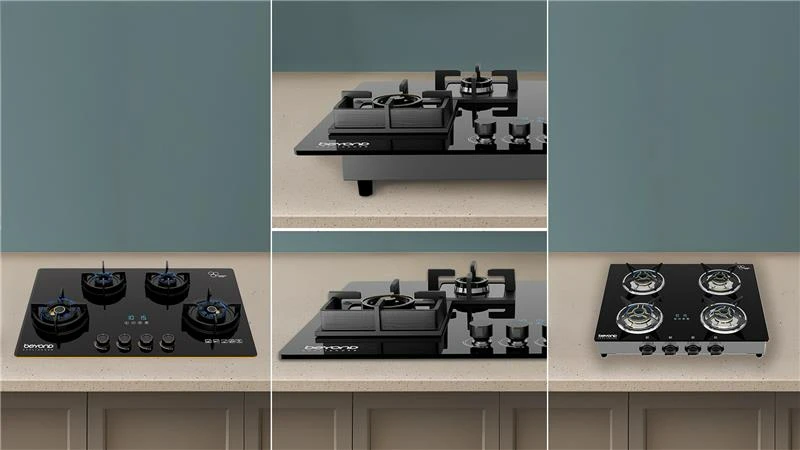
Selecting the right hobtop finish transforms your kitchen from ordinary to extraordinary. The choice between matte finish vs glossy hobtop surfaces affects everything from daily maintenance to long-term durability. Modern homemakers face this crucial decision when upgrading their compact kitchen spaces. Understanding the fundamental differences helps you make an informed choice that aligns with your lifestyle, design preferences, and maintenance capabilities. This comprehensive checklist guides you through every consideration, ensuring your hobtop finish complements your cooking habits and enhances your kitchen's overall appeal.
Hobtop finishes represent more than aesthetic choices—they determine your kitchen's functionality and maintenance requirements. Matte surfaces feature a non-reflective coating that diffuses light evenly across the surface. This creates a sophisticated, contemporary appearance that hides minor imperfections and fingerprints effectively. Glossy hobtop surfaces showcase a high-shine finish that reflects light dramatically. The manufacturing process involves multiple polishing stages that create a mirror-like surface. This finish amplifies kitchen lighting and creates an illusion of expanded space in compact areas. The texture differences between these finishes affect heat distribution patterns. Matte surfaces absorb more heat energy, while glossy surfaces reflect heat more efficiently. Light reflection properties vary significantly—matte finishes reduce glare, making them ideal for kitchens with abundant natural light.
Matte hobtop surfaces excel in hiding everyday wear and tear. Fingerprints, water spots, and minor scratches blend seamlessly into the textured surface. This makes them perfect for busy households where constant cleaning isn't practical. The contemporary aesthetic of matte finishes complements modern hobtop designs beautifully. They pair exceptionally well with minimalist kitchen themes and industrial-style appliances. The subdued appearance creates visual harmony without overwhelming smaller spaces.
Daily cleaning requires gentle, non-abrasive cleaners to preserve the matte coating. Harsh chemicals can damage the surface finish permanently. Weekly deep cleaning involves specialized products designed specifically for matte surfaces.
Matte finishes resist chipping better than glossy alternatives. However, they're more susceptible to staining from acidic substances. Proper sealing during installation extends lifespan significantly. Cost considerations include higher initial investment but lower long-term maintenance expenses.
Glossy hobtop surfaces create stunning visual impact through enhanced light reflection. They make compact kitchens appear larger and brighter. The smooth surface facilitates easy cleaning with standard household cleaners. Traditional and contemporary kitchen hobtop designs benefit from glossy finishes differently. Classic kitchens gain elegance, while modern spaces achieve sleek sophistication. The reflective properties amplify under-cabinet lighting effects dramatically.
Daily maintenance involves simple wiping with damp cloths. Most spills clean easily without specialized products. However, water spots and fingerprints show prominently on glossy surfaces.
Minor scratches appear more noticeable on glossy finishes. Heavy cookware can leave permanent marks if dragged across the surface. Professional polishing restores shine but requires periodic investment.
Hobtop comparison reveals significant performance differences between finishes. Heat resistance varies minimally, but thermal shock responses differ. Matte surfaces handle temperature fluctuations better than glossy alternatives. Cleaning frequency requirements favor matte finishes for busy households. Compact hobtop installations benefit from matte surfaces in tight spaces where frequent cleaning proves challenging. Glossy surfaces require daily attention to maintain their appearance.
Matte finishes typically last 8-12 years with proper care. Glossy surfaces may require refinishing after 5-8 years depending on usage patterns. Repair options vary—matte surfaces accept spot treatments, while glossy finishes often need complete refinishing.
Initial costs favor glossy finishes, typically 15-20% less expensive than matte alternatives. Long-term maintenance costs reverse this advantage. Professional cleaning services charge premium rates for glossy surface restoration.
Hobtop design coordination requires careful consideration of existing finishes. Matte surfaces complement brushed stainless steel appliances perfectly. Glossy finishes harmonize with polished chrome and high-gloss cabinetry. Lighting considerations significantly impact finish selection. Kitchens with limited natural light benefit from glossy surfaces that amplify available illumination. Rooms with abundant sunlight work better with matte finishes that reduce glare.
Dark matte finishes hide stains effectively but show dust readily. Light glossy surfaces reflect dirt prominently but clean easily. Hobtop surface colors should complement countertop materials and backsplash designs.
Successful kitchen designs often combine different textures strategically. Matte hobtops pair beautifully with glossy backsplashes. This creates visual interest without overwhelming compact spaces.
Your matte finish vs glossy hobtop decision depends on multiple factors working together. Consider your cooking frequency, cleaning preferences, and design goals simultaneously. Lifestyle assessment questions include: Do you cook daily? How much time do you dedicate to kitchen cleaning? Are children frequently in the kitchen? Do you entertain regularly? These answers guide your finish selection process.
Total cost analysis includes initial purchase price, installation fees, and ongoing maintenance expenses. Matte finishes cost more upfront but save money long-term. Glossy surfaces require more frequent professional cleaning services.
• Choose matte if: You prefer low-maintenance surfaces, cook frequently, have young children, or favor contemporary design aesthetics. • Choose glossy if: You enjoy regular cleaning, want maximum light reflection, prefer traditional elegance, or have limited natural lighting. • Consider your space: Compact hobtop installations often benefit from matte finishes that hide imperfections in tight quarters.
Matte finishes excel in high-traffic kitchens because they hide fingerprints, water spots, and minor scratches effectively. Busy households benefit from reduced cleaning frequency requirements.
Matte surfaces hide water spots much better than glossy alternatives. The textured surface diffuses light, making spots less visible to the naked eye.
Changing finishes requires complete surface refinishing or replacement. Professional refinishing costs approximately 60-70% of new hobtop prices, making replacement more economical.
Matte finishes typically cost INR 2,000-5,000 more than glossy alternatives initially. However, lower maintenance costs offset this difference within 3-4 years.
Matte finishes work exceptionally well in compact kitchens because they hide imperfections and reduce visual clutter. Glossy surfaces can make small spaces appear larger through light reflection.
Both finishes maintain resale value when properly maintained. Matte finishes appeal to modern design preferences, while glossy surfaces attract traditional kitchen enthusiasts.
Choosing between matte finish vs glossy hobtop surfaces requires balancing aesthetics, functionality, and maintenance preferences. Matte finishes offer superior practicality for busy households, while glossy surfaces provide unmatched visual impact. Consider your cooking habits, cleaning preferences, and design goals when making this important decision. Remember that both finishes can create beautiful, functional kitchens when properly selected and maintained. The right choice enhances your daily cooking experience while complementing your overall kitchen design vision.
