

Essential Checklist: Choosing Top Efficient Hobtops
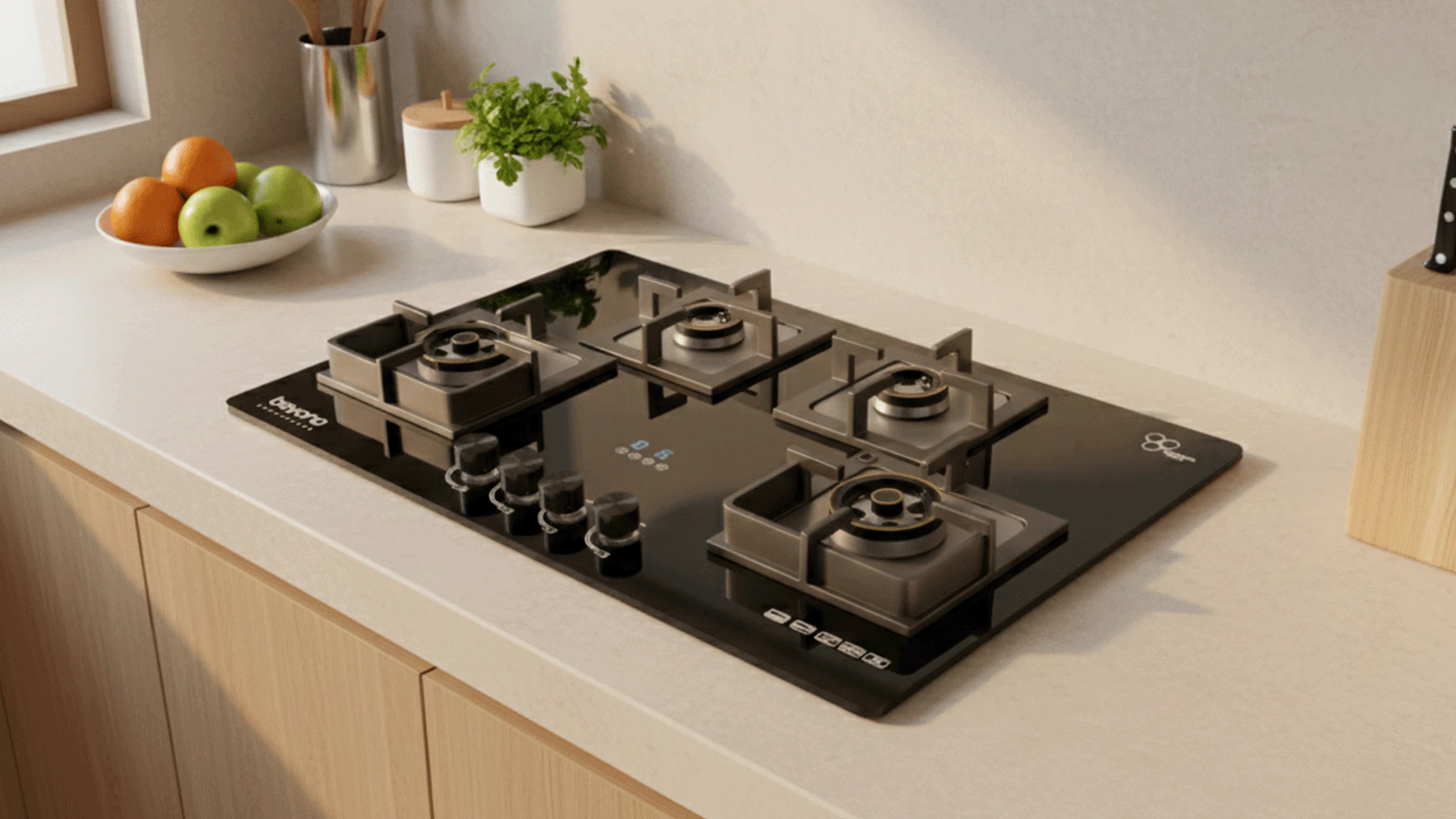
Choosing the right hobtop for your kitchen requires careful consideration of efficiency, design, and functionality. Modern kitchens demand appliances that combine energy savings with superior performance. Whether you're renovating your existing kitchen or setting up a new home, selecting from the best efficient hobtop models can significantly impact your cooking experience and monthly utility bills. This comprehensive guide will help you navigate through various options and make an informed decision that suits your cooking needs and budget.
The market offers several types of efficient hobtops, each with unique advantages and energy consumption patterns. Understanding these differences helps you choose the most suitable option for your kitchen setup and cooking habits.
Induction hobtops lead the efficiency race with up to 90% energy conversion rates. These models use electromagnetic technology to directly heat cookware, eliminating heat loss to surrounding air. The precise temperature control and instant heat adjustment make them ideal for modern cooking needs. Most induction models feature touch controls, timer functions, and multiple power levels for different cooking requirements.
Gas hobtops remain popular for their instant heat control and compatibility with all cookware types. Modern gas models feature brass burners that distribute heat evenly and auto-ignition systems for convenience. Three-burner and four-burner configurations cater to different family sizes, while safety features like flame failure protection ensure secure operation.
Ceramic hobtops offer excellent heat retention and easy maintenance. The smooth glass surface provides uniform heat distribution and adds a modern hobtop design element to your kitchen. These models heat up quickly and maintain consistent temperatures, making them suitable for slow cooking and simmering.
When evaluating energy efficient hobtops, several key features determine their overall performance and value. These specifications directly impact cooking efficiency, safety, and long-term durability.
Look for star ratings and energy consumption specifications when comparing models. Higher-rated appliances consume less power while delivering optimal cooking performance. Heat output specifications, measured in kilowatts, indicate the maximum power available for different cooking tasks. Models with variable power settings allow better energy management.
Modern hobtops include multiple safety mechanisms like flame failure protection, child safety locks, and auto shut-off functions. Precise temperature controls help maintain consistent cooking results while preventing energy waste. Spillage protection designs prevent liquid overflow from damaging internal components.
Toughened glass surfaces resist scratches and heat damage better than standard materials. Brass burners last longer than aluminum alternatives and provide superior heat distribution. Extended warranty coverage and reliable after-sales service support ensure long-term value and peace of mind.
Compact hobtops address space constraints without compromising cooking efficiency. These models integrate seamlessly into modern kitchen designs while providing all essential cooking functions.
Built-in models create a streamlined appearance and maximize counter space. Portable options offer flexibility for temporary setups or outdoor cooking. Optimal dimensions typically range from 60cm to 90cm width, accommodating most kitchen layouts while providing adequate cooking surface.
Small hobtops with two high-efficiency burners can handle most daily cooking tasks. Multi-functional designs include features like griddle plates or wok burners for versatile cooking options. Proper installation ensures optimal performance even in limited spaces.
Evaluating best hobtop brands involves comparing performance benchmarks, customer satisfaction ratings, and value propositions. Different brands excel in specific areas like energy efficiency, durability, or design innovation.
Premium models typically offer advanced features like touch controls, multiple cooking zones, and superior build quality. These hobtops often include smart connectivity options and precise temperature management systems. Higher initial investment usually translates to better long-term performance and energy savings.
Entry-level models can still provide good efficiency ratings and reliable performance. Value-for-money options focus on essential features without unnecessary complexity. Long-term cost savings through reduced energy consumption often justify slightly higher upfront costs.
A comprehensive hobtop buying guide considers multiple factors beyond initial price. Your cooking habits, family size, and kitchen infrastructure all influence the optimal choice.
Evaluate your daily cooking patterns and preferred cooking methods. Large families benefit from four-burner models, while smaller households can manage with two or three burners. Check electrical capacity for induction models and gas line availability for gas hobtops. Budget planning should include installation costs and potential kitchen modifications.
Professional installation ensures proper setup and warranty compliance. Regular cleaning and maintenance schedules extend appliance lifespan and maintain efficiency. Understanding common troubleshooting steps helps resolve minor issues without service calls.
Energy efficient hobtops provide measurable benefits beyond cooking performance. Monthly utility savings and environmental impact reduction make these appliances worthwhile investments.
Induction hobtops typically reduce cooking energy costs by 30-50% compared to traditional electric models. Gas hobtops offer lower operating costs in areas with subsidized gas prices. Return on investment timelines vary from 2-5 years depending on usage patterns and local utility rates.
Reduced energy consumption directly translates to lower carbon emissions. Efficient cooking practices and proper appliance selection contribute to sustainable living goals. Government incentives for energy-efficient appliances may offset initial purchase costs.
Induction hobtops are the most energy efficient, converting up to 90% of electrical energy into heat compared to 40-50% efficiency for gas models. They heat cookware directly through electromagnetic fields, eliminating energy loss to surrounding air.
A four-burner hobtop measuring 60-75cm width typically suits families of four. This configuration allows simultaneous cooking of multiple dishes while providing adequate space for larger cookware when needed.
Installation costs range from INR 1,500 to INR 5,000 depending on complexity and location. Built-in models require more extensive installation work compared to portable units. Professional installation ensures proper safety compliance and warranty coverage.
Induction hobtops require magnetic cookware made from materials like cast iron or magnetic stainless steel. Aluminum, copper, and glass cookware won't work unless they have magnetic bases. Most modern cookware sets include induction-compatible options.
Regular cleaning after each use prevents buildup and maintains efficiency. Gas models need periodic burner cleaning and safety checks. Induction hobtops require gentle cleaning of the glass surface to prevent scratches. Annual professional servicing ensures optimal performance.
Selecting the right efficient hobtop involves balancing energy efficiency, cooking needs, and budget considerations. Induction models offer superior efficiency for modern cooking styles, while gas hobtops provide traditional control and versatility. Compact designs accommodate space constraints without sacrificing functionality. Quality brands with good warranty coverage ensure long-term satisfaction and reliable performance. Professional installation and regular maintenance maximize efficiency and extend appliance lifespan.
