

Essential Checklist: Chimney Noise Reduction Guide
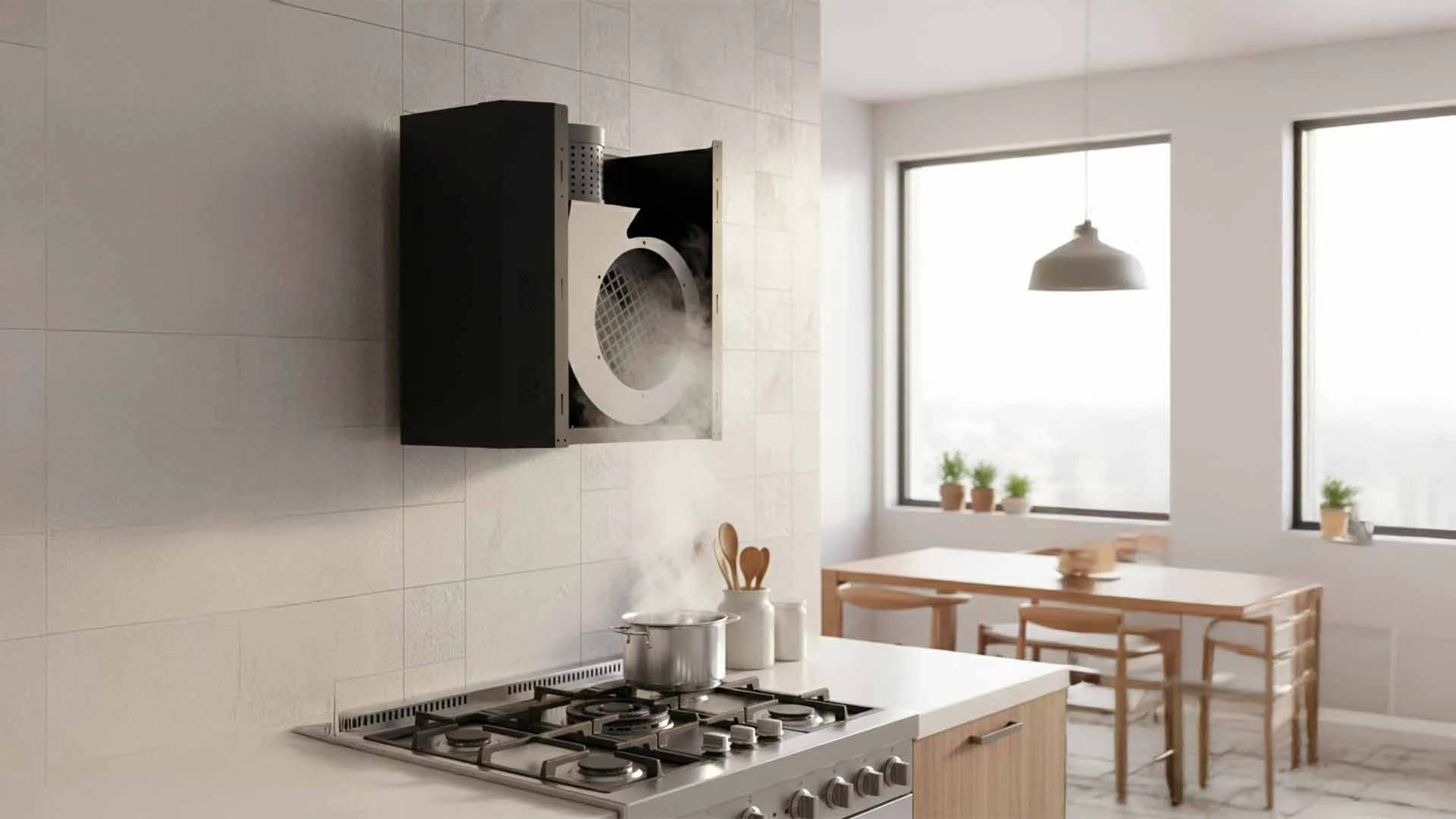
A noisy chimney can turn your peaceful cooking experience into a stressful ordeal. The constant humming, rattling, or whooshing sounds not only disrupt your kitchen environment but can also affect the entire household's comfort. Modern homemakers deserve appliances that work efficiently without creating unwanted noise pollution. Understanding the right chimney features for noise reduction helps you make informed decisions that enhance both functionality and tranquility in your kitchen space.
Chimney noise comes from various sources including motor vibrations, airflow turbulence, and improper installation. Most quality chimneys operate at noise levels between 45-65 decibels, with anything above 58 dB considered moderately loud for kitchen environments. The type of noise matters as much as the volume. Motor noise typically presents as a steady hum, while airflow noise creates whooshing or whistling sounds. Vibration noise often manifests as rattling or buzzing, usually indicating loose components or poor mounting. Understanding these distinctions helps identify the right chimney acoustics solutions for your specific needs.
Industry standards recommend chimney noise levels below 58 dB for comfortable kitchen operation. This benchmark ensures your appliance works effectively without overwhelming conversation or creating stress during cooking. Higher noise levels often indicate inefficient design or mechanical issues that affect long-term performance.
Modern chimney technology offers several features specifically designed to minimize operational noise. These innovations focus on motor efficiency, airflow optimization, and vibration control to create a quieter cooking environment. BLDC (Brushless Direct Current) motor technology stands out as the most effective noise reduction feature. These motors operate up to 32% quieter than traditional alternatives while providing superior suction power. The variable speed controls allow you to adjust performance based on cooking intensity, reducing unnecessary noise during light cooking tasks.
BLDC motors eliminate brush friction, significantly reducing mechanical noise. The electronic speed control provides smooth operation across multiple settings, typically offering 9-speed options for precise airflow management. This technology also improves energy efficiency while maintaining consistent performance levels.
Proper duct sizing plays a crucial role in noise reduction. Chimneys should extend at least 6 inches wider than your cooktop to ensure efficient smoke capture without excessive airflow velocity. Well-designed internal pathways minimize turbulence that creates unwanted whistling or whooshing sounds.
Compact chimney designs integrate noise reduction technologies without compromising kitchen aesthetics. These space-efficient solutions prove particularly valuable in modern homes where open kitchen layouts demand quieter appliances. The innovative PlugnPlay Cube Chimney exemplifies this approach with its low 48 dB noise operation. This ductless design installs directly on the wall without core cutting or ducting pipe installation, eliminating many noise sources associated with traditional ductwork. The 10-minute installation process using just 2 screws reduces vibration points that often contribute to operational noise.
Ductless chimneys like the Cube model eliminate ductwork-related noise entirely. The active carbon filter system absorbs smoke, removes oil and grease, then returns clean air to the kitchen. This closed-loop system operates more quietly than traditional ducted models while providing effective 1250 CMH suction through 3-sided vents.
Modern compact designs offer portability advantages for renters or frequent movers. The ability to uninstall in 10 minutes and relocate your chimney reduces the need for multiple appliance purchases, making quiet operation accessible across different living situations.
Proper installation significantly impacts chimney noise levels. Professional installation ensures optimal positioning, secure mounting, and proper electrical connections that minimize vibration and operational noise. Vibration isolation techniques include using rubber gaskets between mounting points and wall surfaces. These simple additions absorb motor vibrations before they transfer to building structures. Proper electrical grounding also prevents electrical noise that can interfere with quiet operation.
For ducted models, inline duct noise reducers can achieve up to 35% noise reduction. These devices install within the ductwork system and use sound-absorbing materials to dampen airflow noise. Proper duct sizing and smooth internal surfaces further reduce turbulence-related sounds.
While some models offer simple installation processes, professional installation ensures optimal noise performance. Experienced technicians understand proper mounting techniques, electrical requirements, and local building codes that affect chimney operation and noise levels.
Regular maintenance plays a vital role in maintaining quiet chimney operation. Clean filters allow optimal airflow at lower fan speeds, reducing overall noise levels. Auto-clean features help maintain this efficiency without manual intervention. Speed adjustment strategies can significantly impact noise levels. Using lower speeds for light cooking tasks and reserving maximum power for heavy-duty cooking reduces unnecessary noise exposure. Many modern chimneys include auto fan shut-off features that eliminate operational noise when cooking is complete.
Monthly filter cleaning prevents airflow restrictions that force motors to work harder and create more noise. The 4-year filter life offered by some models like the Cube Chimney reduces maintenance frequency while ensuring consistent quiet performance. Built-in oil collector systems also help maintain optimal airflow characteristics.
When selecting a chimney for noise reduction, prioritize these essential features. This comprehensive checklist ensures you choose appliances that deliver both performance and peaceful operation. Noise level specifications should clearly state decibel ratings under 58 dB for comfortable operation. BLDC motor technology provides the most reliable noise reduction with improved energy efficiency. Multiple speed settings allow you to match power to cooking needs, minimizing unnecessary noise.
Essential checklist items include: • Noise level under 58 dB specification • BLDC motor technology for 32% noise reduction • Variable speed controls with 9-speed options • Auto-clean functionality for maintenance efficiency • LED lighting with quiet operation • Built-in oil collector systems • Auto fan shut-off features • One-button control for simplified operation • Vibration-resistant mounting systems • Sound-absorbing internal materials
Chimneys with BLDC motor technology consistently produce less noise than traditional models. Ductless designs like the Cube Chimney operate at 48 dB, significantly quieter than many ducted alternatives. Look for specifications clearly stating noise levels below 58 dB.
Reduce chimney noise through proper installation, regular maintenance, and appropriate speed settings. Use lower fan speeds for light cooking and ensure filters remain clean for optimal airflow. Professional installation with vibration isolation techniques also minimizes operational noise.
Noise levels below 58 dB are considered good for kitchen chimneys. The quietest models operate around 45-48 dB, comparable to a quiet library environment. Anything above 65 dB may become disruptive during normal kitchen activities.
Ductless chimneys often operate more quietly because they eliminate ductwork-related noise sources. Models like the Cube Chimney achieve 48 dB operation while providing effective smoke and odor removal through carbon filtration systems.
Properly sized chimneys operate more quietly because they don't need to work as hard to achieve effective smoke capture. Choose chimneys at least 6 inches wider than your cooktop for optimal performance and reduced noise levels.
Selecting the right chimney features for noise reduction transforms your cooking experience from stressful to peaceful. BLDC motor technology, proper sizing, and regular maintenance form the foundation of quiet chimney operation. Modern compact designs prove that effective noise reduction doesn't require sacrificing kitchen aesthetics or functionality. Prioritize appliances with clear noise specifications, multiple speed settings, and professional installation support to ensure long-term satisfaction with your investment.
