

Essential Auto Clean Chimney Maintenance Tips Checklist
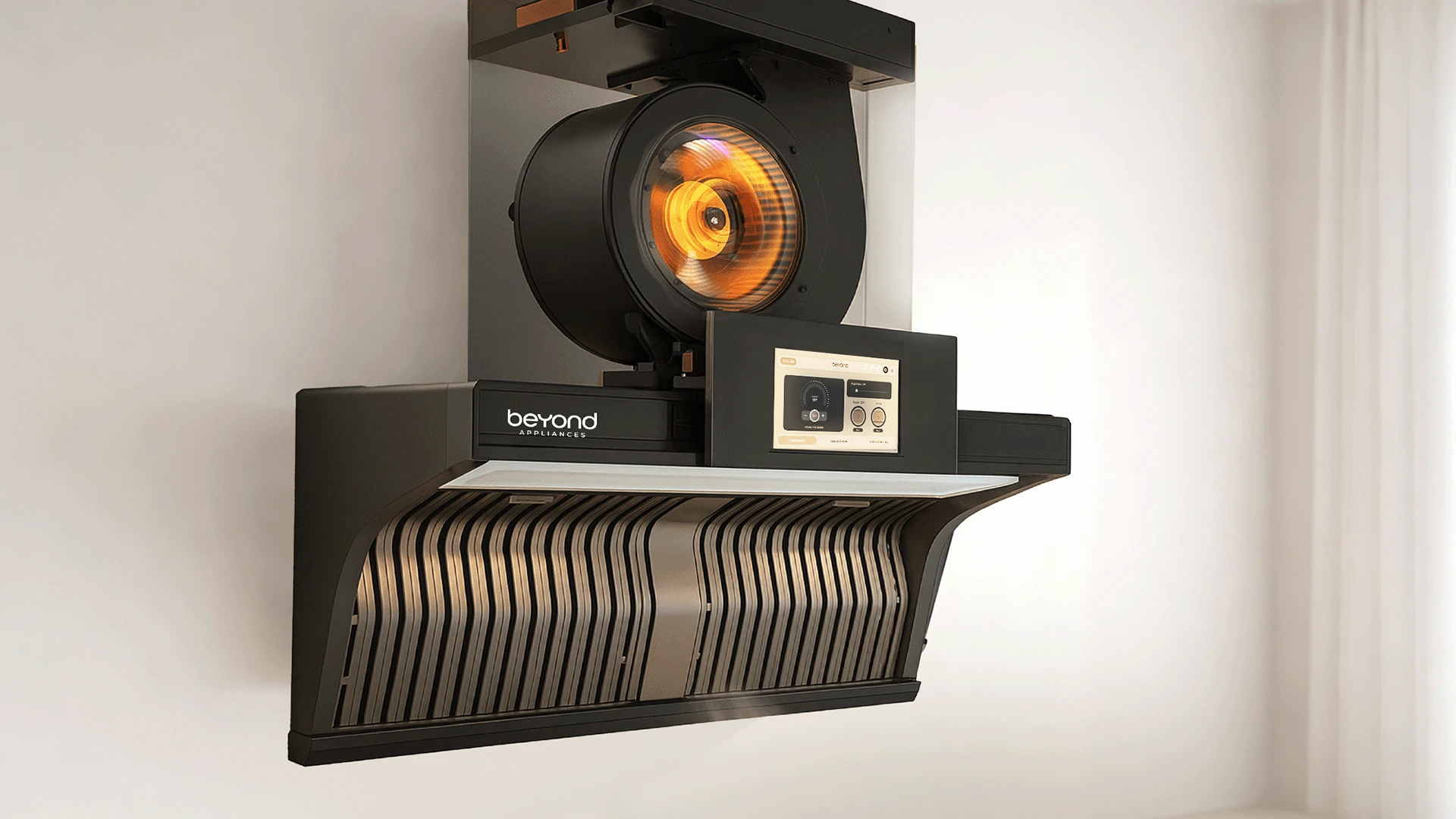
Modern kitchens rely heavily on efficient ventilation systems, and auto clean chimneys have become essential appliances for maintaining a clean, smoke-free cooking environment. While these advanced systems feature self-cleaning technology, proper maintenance remains crucial for optimal performance and longevity. Understanding the right auto clean chimney maintenance tips ensures your appliance continues to operate efficiently while protecting your investment. Regular care prevents costly repairs and maintains the sleek appearance that complements your modern kitchen design.
Auto clean chimneys utilize advanced heating element technology to break down grease and oil deposits automatically. This innovative system heats the internal components to high temperatures, typically around 200-250 degrees Celsius, effectively dissolving accumulated residue. However, this self-cleaning function doesn't eliminate the need for regular chimney maintenance and periodic manual cleaning.
Several critical components need consistent care despite the auto clean feature. The oil collector tray accumulates dissolved grease and requires frequent emptying. Baffle filters trap larger particles and need regular cleaning or replacement. The motor housing and external surfaces also require attention to maintain optimal performance and appearance.
Regular chimney cleaning and maintenance provide numerous advantages. Proper care extends appliance lifespan significantly, often doubling the expected service life. Well-maintained units operate more efficiently, reducing energy consumption and noise levels. Additionally, consistent maintenance prevents fire hazards and ensures optimal air quality in your kitchen.
Many homeowners mistakenly believe auto clean chimneys require no maintenance whatsoever. This misconception leads to neglect and eventual performance issues. The auto clean function primarily addresses internal grease buildup but doesn't handle external cleaning, filter maintenance, or mechanical component care.
Establishing a regular maintenance routine ensures your chimney operates at peak efficiency. Weekly tasks focus on basic cleaning and inspection, while monthly procedures involve deeper maintenance activities. This systematic approach prevents major issues and maintains optimal performance throughout the year.
Activate the auto clean function every 15-20 cooking sessions or approximately once weekly for heavy users. This frequency ensures grease doesn't accumulate beyond the system's cleaning capacity.
Exterior cleaning: Wipe down surfaces with mild detergent solution
Visual inspection: Check for visible damage or loose components
Control panel testing: Verify all buttons and settings function properly
Noise assessment: Listen for unusual sounds during operation
Suction testing: Ensure adequate airflow and ventilation
Monthly procedures require more time and attention but significantly impact long-term performance. These tasks address components that weekly cleaning cannot adequately maintain.
Oil collector emptying: Remove and thoroughly clean the collection tray
Filter inspection: Check baffle filters for damage or excessive buildup
Interior component cleaning: Manually clean areas the auto function cannot reach
Duct inspection: Verify proper ventilation pathway clearance
Motor housing cleaning: Remove dust and debris from external motor components
Manual cleaning complements the auto clean function by addressing areas the automated system cannot reach effectively. Proper soot removal and fireplace cleaning techniques ensure comprehensive maintenance and optimal air quality. Always prioritize safety by disconnecting power and allowing the unit to cool completely before beginning manual cleaning procedures.
Safety preparations prevent accidents and ensure effective cleaning results. Turn off the main power supply and wait at least 30 minutes for complete cooling.
Disconnect electrical power completely
Allow minimum 30-minute cooling period
Gather appropriate cleaning supplies and tools
Ensure adequate ventilation in the work area
Wear protective gloves and eye protection
Effective manual cleaning requires proper techniques and appropriate cleaning solutions. Use warm soapy water for most surfaces, avoiding harsh chemicals that might damage components.
Baffle filter cleaning: Soak in warm soapy water for 15-20 minutes
Interior surface cleaning: Use soft cloth with mild detergent solution
Oil collector maintenance: Wash thoroughly with degreasing solution
External surface care: Clean with appropriate stainless steel cleaner
While regular DIY maintenance handles routine care, professional chimney inspection provides comprehensive assessment and specialized services. Annual professional evaluation identifies potential issues before they become costly problems. Certified technicians possess specialized tools and expertise for thorough creosote removal and system optimization.
Professional inspections reveal hidden issues that routine maintenance might miss. Certified technicians assess motor performance, electrical connections, and structural integrity comprehensively.
Motor performance and efficiency testing
Electrical connection safety verification
Ductwork integrity and clearance assessment
Component wear evaluation and replacement recommendations
Performance optimization and calibration services
Certain symptoms indicate the need for immediate professional intervention. Recognizing these warning signs prevents minor issues from escalating into major repairs.
Unusual noises during operation
Reduced suction power or airflow
Auto clean function malfunction
Excessive vibration or movement
Electrical issues or control panel problems
Understanding common problems and their solutions helps maintain optimal chimney performance between professional services. Most issues stem from inadequate maintenance or improper usage patterns. Systematic troubleshooting identifies root causes and prevents recurring problems.
Auto clean function problems often result from sensor issues or excessive grease accumulation. Regular maintenance prevents most malfunctions, but understanding troubleshooting steps helps address immediate concerns.
Function not activating: Check power supply and control panel settings
Incomplete cleaning cycles: Verify heating element functionality
Excessive smoke during cleaning: Reduce grease buildup through more frequent activation
Error messages: Consult user manual for specific error code meanings
Poor suction performance affects cooking comfort and air quality significantly. Most suction problems relate to filter blockage or ductwork restrictions.
Clean or replace clogged baffle filters
Verify ductwork clearance and proper installation
Check motor housing for debris accumulation
Ensure adequate ventilation pathway clearance
Verify proper chimney size for cooking area requirements
Seasonal maintenance adapts care routines to changing usage patterns and environmental conditions. Winter preparation ensures optimal performance during peak cooking seasons, while summer maintenance focuses on deep cleaning and component preservation. Long-term care strategies protect your investment and maintain warranty coverage.
Winter preparation ensures reliable performance during increased cooking activity. Comprehensive inspection and maintenance prevent inconvenient breakdowns during peak usage periods.
Complete professional inspection and tune-up
Replace worn filters and components
Verify heating element functionality
Clean and lubricate moving parts
Test all safety features and controls
Summer maintenance focuses on deep cleaning and component preservation during reduced usage periods. This seasonal approach extends component life and ensures optimal performance when cooking activity increases.
Thorough deep cleaning of all components
Motor housing dust removal and protection
Electrical connection inspection and maintenance
Component lubrication and preservation
Ductwork cleaning and inspection
Activate the auto clean function every 15-20 cooking sessions or approximately once weekly for heavy users. This frequency prevents grease accumulation beyond the system's cleaning capacity and maintains optimal performance.
Yes, manual cleaning complements the auto clean function effectively. Focus on areas the automated system cannot reach, including the oil collector, external surfaces, and baffle filters. Always ensure the unit is completely cool and disconnected from power before manual cleaning.
Professional service is recommended for motor maintenance, electrical system inspection, ductwork assessment, and component replacement. Annual professional inspection ensures comprehensive evaluation and optimal performance.
Replace baffle filters when they show visible damage, excessive grease buildup that cleaning cannot remove, or reduced airflow performance. Most filters require replacement every 6-12 months depending on usage frequency.
Use mild detergent solutions, warm soapy water, and specialized stainless steel cleaners for external surfaces. Avoid harsh chemicals, abrasive cleaners, or acidic solutions that might damage components or finishes.
Unusual noises often indicate motor issues, loose components, or debris accumulation. Stop using the unit immediately and contact professional service to prevent further damage and ensure safe operation.
Proper auto clean chimney maintenance tips ensure optimal performance, extended appliance life, and safe operation. Regular weekly and monthly maintenance routines prevent major issues and maintain efficiency. While auto clean technology reduces maintenance requirements, it doesn't eliminate the need for regular care and professional inspection. Understanding common troubleshooting techniques helps address minor issues quickly, while recognizing when to seek professional help prevents costly repairs. Seasonal maintenance strategies adapt care routines to usage patterns and environmental conditions, ensuring year-round optimal performance. Following these comprehensive maintenance guidelines protects your investment and maintains the modern, efficient kitchen environment you desire.
