

Energy Efficient Hob Tips: Your Complete Guide
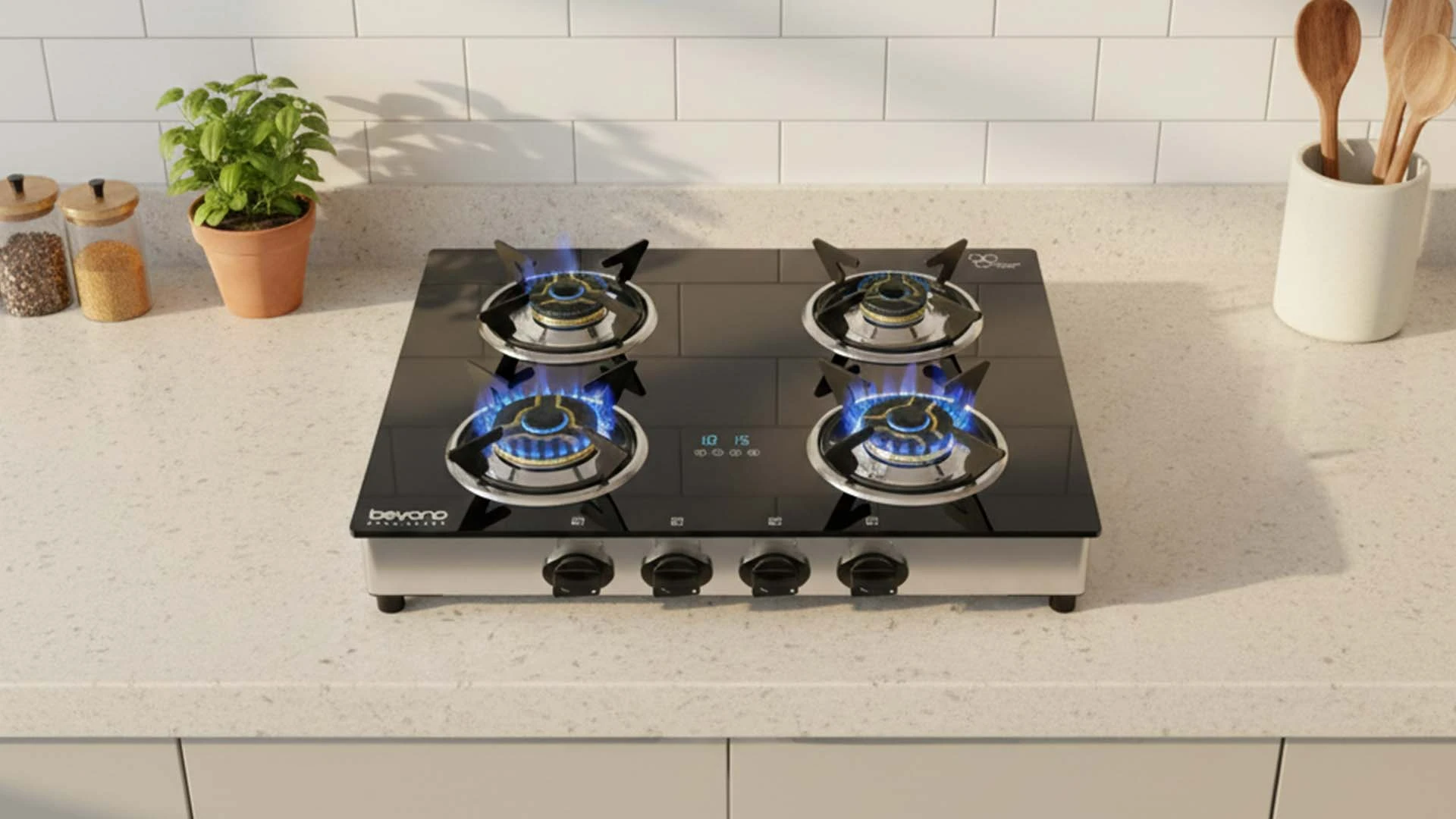
Rising electricity bills and growing environmental awareness have made energy efficient cooking more important than ever. Modern kitchens demand appliances that deliver exceptional performance while minimizing power consumption. Smart cooking techniques combined with the right hob technology can reduce your energy costs by up to 40%. Whether you're upgrading your kitchen or optimizing your current setup, understanding energy efficiency principles helps you make informed decisions that benefit both your wallet and the environment.
Energy efficiency in hobs depends on how effectively they convert electricity or gas into usable cooking heat. The best energy efficient hob models achieve higher heat transfer rates while minimizing energy waste through advanced technology and smart design features.
Energy labels provide crucial information about hob power consumption. Look for ratings between A+ and A+++, which indicate superior efficiency levels. These ratings consider factors like heat-up time, energy consumption per cooking cycle, and standby power usage.
Different hob technologies offer varying efficiency levels. Induction hobs lead with 90% efficiency, followed by ceramic hobs at 70%, and traditional electric coils at 65%. Gas hobs typically achieve 40-55% efficiency due to heat loss around cookware.
Induction technology represents the pinnacle of energy saving hob design. These efficient cooking hob models use electromagnetic fields to heat cookware directly, eliminating energy waste associated with heating intermediate surfaces.
Electromagnetic heating creates instant, precise temperature control. Heat generates directly in the cookware base, ensuring minimal energy loss. This direct heating method makes induction the most energy efficient cooktop option available.
Induction hobs typically consume 1.4-2.0 kWh per hour of cooking. Electric ceramic hobs use 1.8-2.5 kWh, while traditional electric coils consume 2.0-3.0 kWh. Gas hobs cost less per unit but waste more energy through heat dispersion.
Implementing proven hob energy saving tips can significantly reduce your electricity bills. Simple changes in cooking habits and technique selection make substantial differences in overall energy consumption.
Minimize pre-heating time by matching heat levels to cooking requirements. Start with medium heat and adjust as needed. Use residual heat for final cooking stages to maximize efficiency.
Choose pans that match burner sizes exactly. Flat-bottomed cookware ensures optimal heat transfer. Heavy-based pans retain heat longer, allowing lower temperature cooking. Copper and aluminum bases conduct heat most effectively.
Boil water in electric kettles before transferring to hobs for faster cooking. Always use lids to trap heat and reduce cooking times by 25%. Cook appropriate portion sizes to avoid heating excess water.
Selecting the right modern hob design requires balancing efficiency, functionality, and kitchen space constraints. Consider both immediate purchase costs and long-term energy savings when making decisions.
Touch controls provide precise temperature management for optimal energy use. Timer functions prevent overcooking and energy waste. Compact hob designs suit smaller kitchens while maintaining full functionality. Features like smart timers automatically turn off burners when cooking time expires, preventing unnecessary energy consumption.
A+++ rated hobs consume 30-40% less energy than standard models. Calculate long-term savings over 10-15 years to justify higher initial costs. Extended warranty options protect your investment in energy efficient technology.
Maintaining your eco friendly hob properly ensures continued energy efficiency throughout its lifespan. Regular care and smart usage habits maximize performance while minimizing environmental impact.
Batch cook multiple items simultaneously to maximize heat utilization. Turn off burners slightly before cooking completion to use residual heat. Avoid standby modes when not cooking for extended periods.
Clean hob surfaces regularly to maintain optimal heat transfer. Replace worn components promptly to prevent efficiency degradation. Professional servicing every 2-3 years ensures peak performance and safety.
Modern energy efficient cooktop technology integrates with smart home systems for enhanced control and monitoring. Advanced features help optimize cooking schedules and energy usage patterns.
Energy monitoring systems track consumption patterns and suggest optimization opportunities. Schedule cooking during off-peak electricity hours for additional savings. Solar panel compatibility allows renewable energy cooking.
Steam cooking requires less energy than boiling or frying. Multi-level cooking maximizes burner efficiency. Pressure cooking reduces cooking times and energy consumption by up to 70%.
Induction hobs are the most energy efficient, converting up to 90% of electricity into cooking heat compared to ceramic hobs at 70% and solid plate hobs at 65%. Their electromagnetic heating technology eliminates energy waste through direct cookware heating.
Electric hobs typically consume 1.5-2.5 kWh per hour depending on the model and usage. You can reduce consumption by using appropriate pan sizes, keeping lids on while cooking, and utilizing residual heat for final cooking stages.
Switching to an induction hob can reduce cooking energy costs by 20-40% compared to traditional electric hobs. Average households save INR 3,000-8,000 annually through improved efficiency and smart cooking practices.
Use matching pan sizes to burner dimensions, keep lids on while cooking, utilize residual heat for finishing, batch cook multiple items, and choose induction technology for maximum efficiency. These simple changes can reduce energy consumption by 25-35%.
Yes, compact hobs can be equally efficient and often more suitable for smaller households. They reduce overall energy consumption through right-sized cooking capacity while maintaining the same efficiency ratings as larger models.
Gas hobs typically achieve 40-55% efficiency due to heat loss around cookware. While gas costs less per unit, electric induction hobs provide superior energy efficiency and precise temperature control for better cooking results.
Energy efficient hob tips encompass both technology choices and cooking practices. Induction hobs offer the highest efficiency rates, while smart cooking techniques maximize any hob's performance. Regular maintenance and proper cookware selection ensure optimal energy consumption throughout your appliance's lifespan. Investing in modern hob design features like timers and precise controls provides long-term energy savings that justify initial costs. By implementing these strategies, you'll reduce electricity bills while contributing to environmental sustainability through reduced energy consumption.
