

Ductless vs Ducted Chimneys: Which is Best for Your Kitchen?
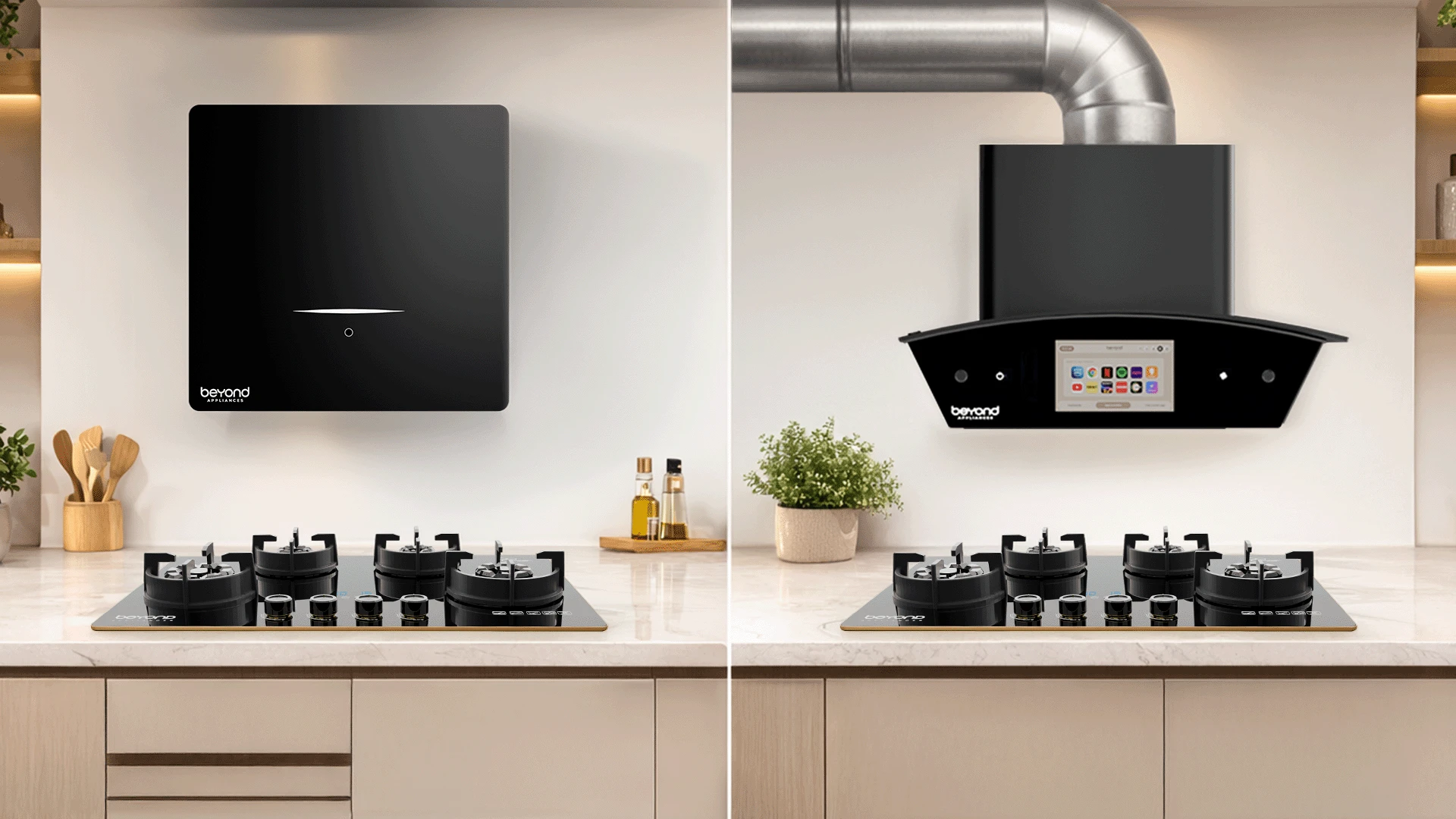
Choosing between ductless and ducted kitchen chimneys can make or break your cooking experience. While ducted systems offer powerful external venting, ductless models provide flexibility and easy installation without compromising on performance. Understanding which system works best for your kitchen layout, cooking habits, and budget helps you make the right choice. Modern ductless technology has evolved significantly, offering effective filtration and smart features that rival traditional ducted systems.
Kitchen chimneys fall into two main categories based on their ventilation approach. Each system handles smoke, grease, and odors differently, affecting installation requirements and long-term performance.
A ductless range hood recirculates filtered air back into your kitchen instead of venting it outside. These systems use multiple filtration stages, typically combining baffle filters for grease capture with activated carbon filters for odor removal. The motor pulls cooking fumes through these filters before releasing clean air back into the room.
Ducted systems connect to external ductwork that channels cooking fumes directly outside your home. This approach requires pipe installation through walls or ceilings, creating a direct path for smoke and odors to exit. The system provides continuous fresh air circulation without filter dependency for odor control.
Modern ductless systems offer compelling advantages for many kitchen setups. These ventless kitchen hood options eliminate complex installation requirements while providing effective filtration for most cooking needs.
Installation simplicity tops the list of ductless benefits. Wall mount ductless chimney models require only electrical connection and mounting hardware. No pipe cutting, wall drilling, or structural modifications are needed. This makes them perfect for rental properties or apartments where permanent modifications aren't allowed.
Cost effectiveness extends beyond initial purchase price. Installation typically costs 60-70% less than ducted systems since no ductwork or professional pipe routing is required. Under cabinet ductless hood options maximize space efficiency in compact kitchens.
Filter maintenance becomes crucial with ductless systems. Carbon filters need replacement every 3 months to 4 years depending on cooking frequency and oil usage. Baffle filters require regular cleaning but last much longer. Noise levels often run slightly higher than ducted systems since the motor works harder to push air through multiple filter stages.
Your kitchen layout, cooking style, and housing situation determine which system works best. Each approach excels in specific scenarios while facing limitations in others.
Apartment living makes ductless the clear choice when external venting isn't possible. Rental properties benefit from the non-permanent installation that won't affect security deposits. Budget-conscious buyers appreciate lower upfront costs and DIY installation options.
A ductless chimney for small kitchen spaces maximizes functionality without overwhelming the room. Structural limitations like concrete walls or lack of external wall access make ductless the only viable option.
Heavy Indian cooking with high oil content and strong spices benefits from direct external venting. Large kitchen spaces with high ceilings can accommodate ductwork more easily. New construction projects allow for planned duct routing during building phase.
Real-world performance varies significantly between system types. Understanding these differences helps set proper expectations for your chosen solution.
Feature |
Beyond Appliances Ductless |
Standard Ductless |
Ducted System |
|---|---|---|---|
Suction Power |
1600 CMH |
1200-1400 CMH |
1400-2000 CMH |
Installation |
Plug 'N' Play |
Wall mounting |
Professional ductwork |
Motor Type |
Silent BLDC |
Standard AC motor |
AC/BLDC motor |
Filter Life |
4 years |
6-12 months |
Baffle filters only |
Auto Clean |
Heat-based system |
Manual cleaning |
Varies by model |
Warranty |
10 years motor |
2-5 years |
2-5 years |
Modern compact kitchen chimney models use advanced multi-stage filtration. High-grade carbon filters in ductless systems can remove up to 95-100% of cooking odours when properly maintained. BLDC motors provide consistent suction while consuming 40-50% less energy than traditional motors.
Installation complexity varies dramatically between system types. Understanding requirements helps budget time and costs accurately.
Most modern kitchen chimney ductless models offer plug-and-play installation. Wall mounting requires basic tools and 2-3 hours for DIY installation. Under cabinet ductless hood options need precise measurements for proper fit. Electrical requirements typically include a standard 15-amp circuit with proper grounding.
Professional installation becomes necessary for most ducted systems. Ductwork planning involves routing pipes through walls, ceilings, or cabinets to reach external vents. Building codes may require specific duct materials, sizes, and routing methods. Installation costs range from ₹5,000-15,000 depending on complexity.
When you shop ductless kitchen chimneys, focus on features that enhance daily cooking experience. Smart technology and efficient filtration make the biggest difference in long-term satisfaction.
BLDC motors offer superior efficiency and quieter operation compared to standard motors. Auto-clean technology uses heat to melt accumulated grease, reducing manual maintenance. Touch controls with gesture sensors provide convenient operation even with messy hands during cooking.
Compact kitchen chimney designs fit seamlessly into modern kitchen aesthetics. Standard widths include 60cm, 75cm, and 90cm to match cooktop sizes. Sleek finishes like brushed steel or black glass complement contemporary kitchen designs while hiding fingerprints and cooking residue.
Yes, modern ductless systems with high CMH ratings (1400-1600) and quality carbon filters handle Indian cooking effectively. Beyond Appliances' ductless models specifically target high oil and spice cooking with heat-based auto-clean technology.
Standard carbon filters last 6-12 months with regular cooking. Premium models like Beyond Appliances Plug 'N' Play offer 4-year filter life, significantly reducing replacement costs and maintenance frequency.
Most ductless models support DIY installation with basic tools. Wall mounting requires finding studs and ensuring proper electrical connections. Professional installation ensures optimal performance and warranty coverage.
Ductless systems typically cost ₹2,000-5,000 less initially, with installation savings of ₹5,000-10,000. However, ongoing filter replacement costs should factor into long-term budgeting.
Ductless systems excel in small kitchens due to flexible placement options and no ductwork space requirements. Compact designs maximize functionality without overwhelming limited space.
Ductless kitchen chimneys offer practical solutions for modern Indian kitchens, especially in apartments and rental properties. High-grade carbon filters purify recirculated air effectively, while compact, plug-and-play designs eliminate complex installation requirements. When choosing ductless systems, prioritize models with powerful suction (1400+ CMH), efficient BLDC motors, and extended filter life to maximize value and minimize maintenance. The flexibility and convenience of ductless technology make it an excellent choice for most home cooking needs.
