

Curved Chimney Maintenance: Expert FAQ Guide
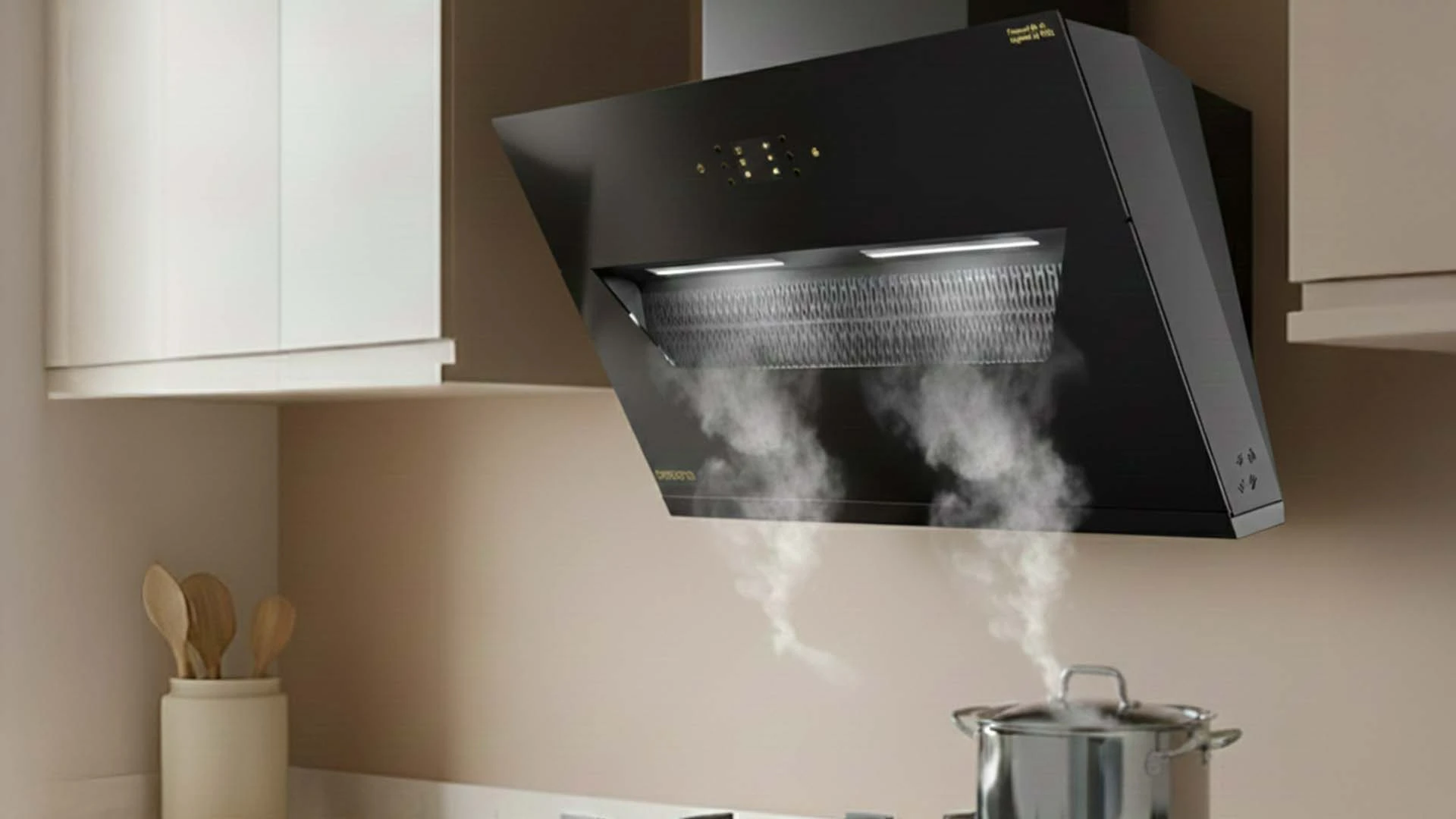
Curved chimneys have become increasingly popular in modern kitchen designs, offering both aesthetic appeal and functional benefits. These sleek appliances require specific maintenance approaches that differ from traditional straight chimneys. Understanding proper curved chimney maintenance ensures optimal performance, extends appliance lifespan, and maintains the sophisticated look of your contemporary kitchen. Regular maintenance prevents costly repairs and keeps your kitchen environment clean and healthy.
Curved chimneys feature a unique bent design that allows for flexible installation in compact modern kitchens. This innovative shape helps maximize space utilization while maintaining powerful suction capabilities. The curved structure creates specific maintenance challenges that homeowners must understand to keep their appliances functioning effectively. The key components requiring regular attention include the curved filters, motor assembly, and the specialized flue system. Unlike traditional straight chimneys, curved models have internal bends that can trap grease and debris more easily. The curved sections create additional surface areas where oil particles can accumulate, making thorough cleaning essential for optimal performance.
Curved chimney maintenance differs significantly from slant or straight chimney care. The bent design requires specialized cleaning tools and techniques to reach all internal surfaces effectively. Standard cleaning brushes may not navigate the curves properly, necessitating flexible cleaning equipment designed specifically for curved chimney flues.
The motor assembly in curved chimneys works harder to maintain suction through the bent pathway. Regular inspection ensures the motor operates efficiently without strain. The curved filters need more frequent cleaning due to increased surface contact with cooking vapors and grease particles.
Proper curved chimney maintenance follows a structured schedule that addresses daily, weekly, monthly, and quarterly tasks. This systematic approach prevents major issues and ensures consistent performance throughout the appliance's lifespan. Regular maintenance also helps identify potential problems before they become costly repairs. Daily maintenance involves simple post-cooking cleanup procedures that prevent grease buildup. After each cooking session, wipe down the exterior surfaces and check for any visible debris around the intake area. This quick routine takes only a few minutes but significantly impacts long-term performance.
Weekly inspections focus on filter condition and motor sound quality. Check the curved filters for grease accumulation and clean them if necessary. Listen for unusual noises that might indicate motor strain or debris obstruction in the curved sections.
Monthly maintenance involves thorough cleaning of all accessible components. Remove and wash the curved filters with warm soapy water. Clean the interior surfaces using appropriate cleaning solutions designed for kitchen appliances. Pay special attention to the curved sections where grease tends to accumulate.
Quarterly professional inspections ensure optimal performance and identify potential issues early. Professional chimney sweep services have specialized tools to clean curved flue systems thoroughly. They can also assess motor performance and recommend any necessary adjustments or repairs.
Proper cleaning technique is crucial for curved chimney maintenance. The unique design requires specific approaches to ensure all surfaces receive adequate attention. Following a systematic cleaning process prevents damage while achieving thorough results. Begin by disconnecting power to ensure safety during cleaning. Remove the curved filters carefully, noting their orientation for proper reassembly. The curved design may require gentle maneuvering to avoid damaging the filter frames or internal components.
Always disconnect power before beginning any maintenance work. Ensure the chimney has cooled completely if recently used. Gather appropriate cleaning supplies including degreasing agents, soft brushes, and protective equipment.
Curved filters require gentle handling due to their specialized shape. Soak filters in warm soapy water for 15-20 minutes before scrubbing. Use soft brushes to avoid damaging the filter material while ensuring thorough grease removal.
Clean internal surfaces using flexible cleaning tools designed for curved spaces. Apply degreasing agents to stubborn buildup areas and allow proper dwell time before wiping clean. The curved sections may require multiple cleaning passes to achieve optimal results.
Deciding between professional chimney service and DIY maintenance depends on several factors including technical skill level, available time, and specific maintenance requirements. Understanding when to attempt DIY tasks versus calling professionals helps maintain your curved chimney effectively while avoiding potential damage. Basic maintenance tasks like filter cleaning and exterior wiping are suitable for most homeowners. These routine activities require minimal technical knowledge and can be performed safely with standard household cleaning supplies. Regular DIY maintenance helps reduce professional service costs while keeping your chimney functioning properly.
Filter removal and cleaning, exterior surface cleaning, and basic visual inspections are appropriate DIY activities. These tasks require no specialized tools and pose minimal risk when performed correctly. Following manufacturer guidelines ensures safe and effective DIY maintenance.
Motor maintenance, internal flue cleaning, and electrical component inspection require professional expertise. Curved chimney repair work should always be handled by qualified technicians familiar with the specific design requirements. Professional services also provide warranty protection for repair work.
Curved chimneys face unique challenges due to their specialized design. Understanding common issues helps homeowners identify problems early and take appropriate action. Regular chimney inspection can prevent minor issues from becoming major repairs. Reduced suction power often results from grease buildup in the curved sections. The bent design creates areas where debris can accumulate more easily than in straight chimneys. Regular cleaning prevents this buildup and maintains optimal airflow through the system.
The curved design creates additional surface areas where grease can collect. These deposits reduce airflow efficiency and can cause unpleasant odors. Thorough cleaning of curved sections requires specialized techniques and tools to reach all affected areas.
Motors in curved chimneys work harder to maintain suction through the bent pathway. This increased workload can lead to premature wear if not properly maintained. Regular motor inspection and cleaning help prevent performance degradation and extend motor life.
Curved filters may clog more quickly due to increased surface contact with cooking vapors. Regular filter inspection and cleaning prevent excessive buildup that can strain the motor and reduce overall system efficiency.
Curved chimney filters should be cleaned weekly for heavy cooking households and bi-weekly for moderate use. The curved design tends to trap more grease particles, requiring more frequent attention than traditional straight filters.
Use mild degreasing agents specifically designed for kitchen appliances. Avoid harsh chemicals that might damage the curved filter material or internal components. Warm soapy water works effectively for routine cleaning.
Reduced suction power, unusual noises, persistent odors, or visible grease buildup in hard-to-reach areas indicate the need for professional chimney service. These issues often require specialized tools and expertise to resolve properly.
Annual maintenance costs typically range from INR 2,000 to INR 5,000, depending on usage frequency and local service rates. Regular DIY maintenance can reduce professional service needs and overall costs.
Curved chimneys require slightly more attention due to their design complexity. However, following proper maintenance procedures ensures reliable performance. The aesthetic and space-saving benefits often outweigh the additional maintenance requirements.
Basic maintenance requires soft brushes, degreasing agents, microfiber cloths, and protective gloves. Professional cleaning may require specialized flexible brushes designed for curved flue systems.
Proper curved chimney maintenance ensures optimal performance and extends appliance lifespan significantly. Regular cleaning prevents grease buildup in the curved sections that can reduce efficiency and cause unpleasant odors. Following a structured maintenance schedule helps identify potential issues before they become costly repairs. Understanding the unique requirements of curved chimney design helps homeowners maintain their appliances effectively. While these modern chimneys require slightly more attention than traditional models, the aesthetic and functional benefits make them an excellent choice for contemporary kitchens. Professional service combined with regular DIY maintenance provides the best approach for long-term curved chimney care.
