

Complete Guide: Using Your Gas Hob Safely
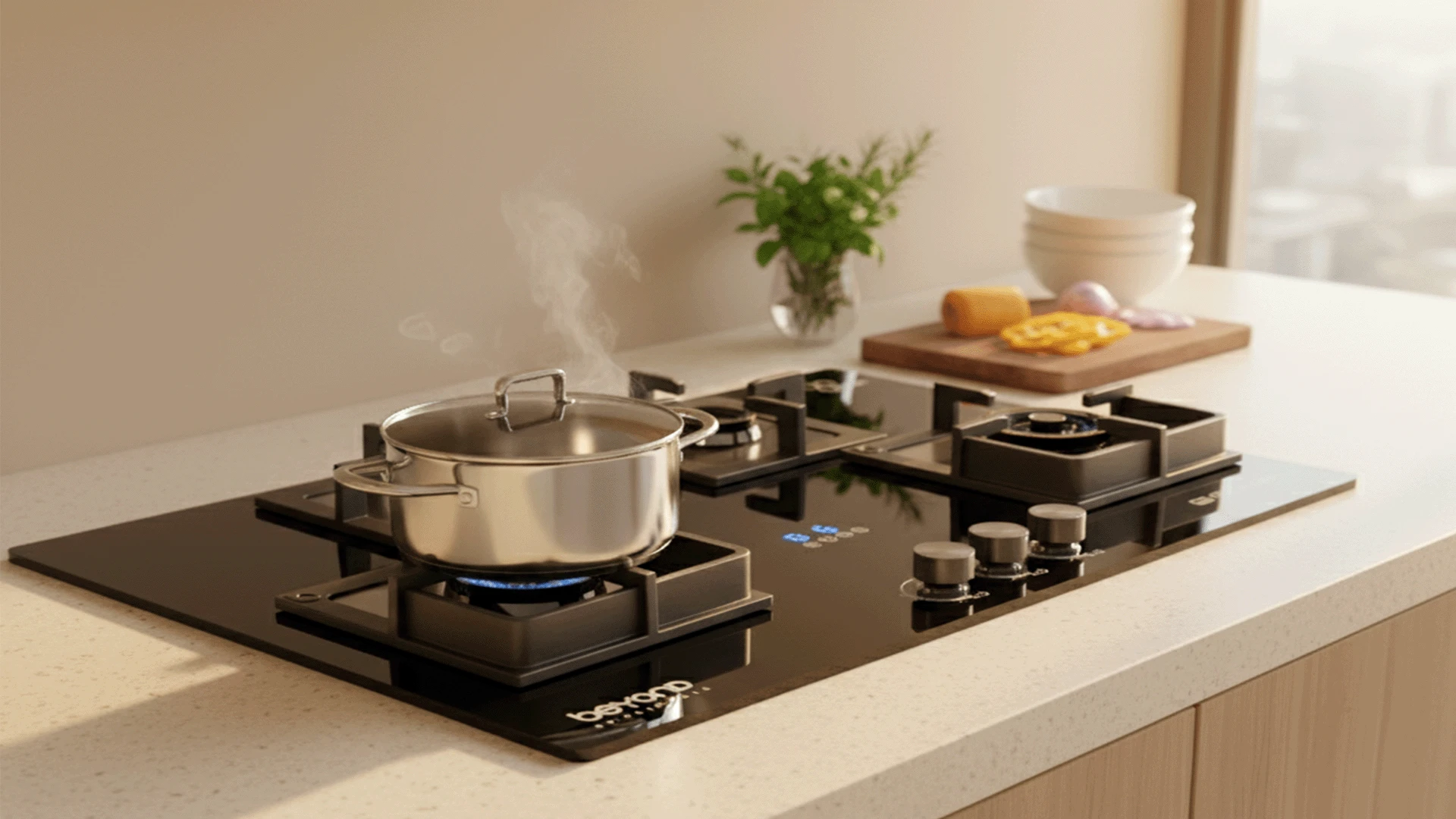
Using a gas hob safely is essential for every home cook. Whether you're new to cooking with gas or looking to improve your technique, understanding proper operation and safety practices protects your family and enhances your culinary experience. Modern gas cooktops offer precise heat control and instant response, making them a preferred choice for many kitchens. This comprehensive guide covers everything from basic operation to advanced maintenance, ensuring you get the most from your gas stove while prioritizing safety at every step.
Knowing your gas hob components helps you operate it safely and efficiently. Modern gas cookers feature several key elements that work together to provide reliable cooking performance.
Every gas cooktop includes burner heads that distribute flames evenly across your cookware. The control knobs regulate gas flow, while the ignition system creates the spark needed for lighting. Safety features like flame failure devices automatically shut off gas supply if flames extinguish unexpectedly. Gas supply connections link your hob to the main gas line, requiring professional installation for optimal safety.
Traditional open-flame gas hobs offer direct heat control with visible flames. Gas-on-glass cooktops combine gas efficiency with sleek aesthetics, featuring tempered glass surfaces. Built-in models integrate seamlessly with kitchen counters, while freestanding gas cookers provide flexibility for different kitchen layouts. Compact modern designs maximize functionality in smaller spaces without compromising cooking performance.
Proper gas hob ignition techniques ensure safe operation every time you cook. Following correct procedures prevents accidents and extends your appliance's lifespan.
Before lighting your gas stove, check all connections for tightness and inspect burner heads for blockages. Ensure adequate ventilation by opening windows or activating exhaust fans. Look for signs of gas leaks by checking for unusual odors around the cooktop area. Never ignore the smell of gas, as this indicates a potentially dangerous situation requiring immediate attention.
For automatic ignition systems, turn the control knob to the lighting position while pressing down. You'll hear clicking sounds as the ignition system creates sparks. Once flames appear, adjust the knob to your desired heat level. Manual ignition requires holding a lighter near the burner while slowly opening the gas valve. Always light the match or lighter before turning on gas to prevent gas accumulation.
Correct flame size matches your cookware diameter for efficient heating. Blue flames indicate complete combustion and optimal efficiency, while yellow or orange flames suggest incomplete burning that wastes gas. Adjust flames so they don't extend beyond your pan's bottom, preventing heat loss and potential safety hazards.
Hob safety requires constant attention to prevent accidents and ensure optimal performance. Implementing proper safety measures protects your family and property.
Regular safety inspections help identify potential problems before they become dangerous. Check flexible gas connections monthly for wear or damage. Install gas detectors near your gas cooktop to alert you of leaks immediately. Never use damaged cookware that might tip over or allow flames to spread beyond safe boundaries.
Never leave your gas hob unattended while cooking, as flames can be extinguished by spills or drafts. Use appropriate cookware with flat bottoms that sit securely on burner grates. Keep flammable materials like towels, paper, and curtains away from open flames. Install child safety locks on control knobs if young children access your kitchen.
If you smell gas, immediately turn off all burners and avoid creating sparks from electrical switches or appliances. Open windows and doors to ventilate the area, then check for loose connections. Contact a qualified technician if you cannot locate the source of the leak. Keep emergency contact numbers readily available for gas company and repair services.
Regular gas hob maintenance ensures safe operation and extends your appliance's lifespan. Proper care prevents common problems and maintains cooking efficiency.
Clean spills immediately to prevent them from hardening and blocking gas ports. Remove burner caps and heads for thorough cleaning with warm soapy water. Use a soft brush to clear any food debris from gas outlets. Wipe down the cooktop surface with appropriate cleaners that won't damage the finish.
Disassemble removable parts for comprehensive cleaning. Soak burner components in degreasing solution to remove stubborn buildup. Clean control knobs and surrounding areas where grease accumulates. Check and clean the area beneath the gas hob to prevent pest problems and maintain hygiene.
Inspect gas connections for signs of wear or corrosion. Test the ignition system on all burners to ensure reliable operation. Check flame patterns for evenness and proper color. Schedule professional servicing if you notice any irregularities in performance or safety features.
Press and turn the control knob to the ignition position. Hold for a few seconds until flames appear, then adjust to desired heat level. The clicking sound indicates the ignition system is working properly.
Check if burner caps are properly positioned and clean. Ensure gas supply is turned on at the main valve. If problems persist, contact a qualified technician for professional diagnosis and repair.
Blue flames indicate efficient combustion. Yellow or orange flames suggest incomplete burning that wastes gas and may indicate maintenance needs. Flames should be steady and respond immediately to control adjustments.
Use appropriately sized cookware for each burner. Large pans on small burners heat unevenly and waste energy. Ensure flames don't extend beyond the pan bottom for optimal safety and efficiency.
Schedule annual professional inspections to ensure safety and optimal performance. More frequent servicing may be needed for heavily used gas cooktops or if you notice any performance issues.
Mastering how to use a gas hob safely requires understanding proper lighting techniques, maintaining consistent safety practices, and performing regular maintenance. Always prioritize safety by checking for gas leaks, ensuring proper ventilation, and never leaving flames unattended. Regular cleaning and professional servicing keep your gas cooktop operating efficiently for years. Remember that proper cookware selection and flame adjustment optimize both safety and cooking performance. When in doubt about any aspect of operation or maintenance, consult qualified professionals to ensure your family's safety and your appliance's longevity.
