

Compact Chimney vs Traditional: Space-Saving Showdown
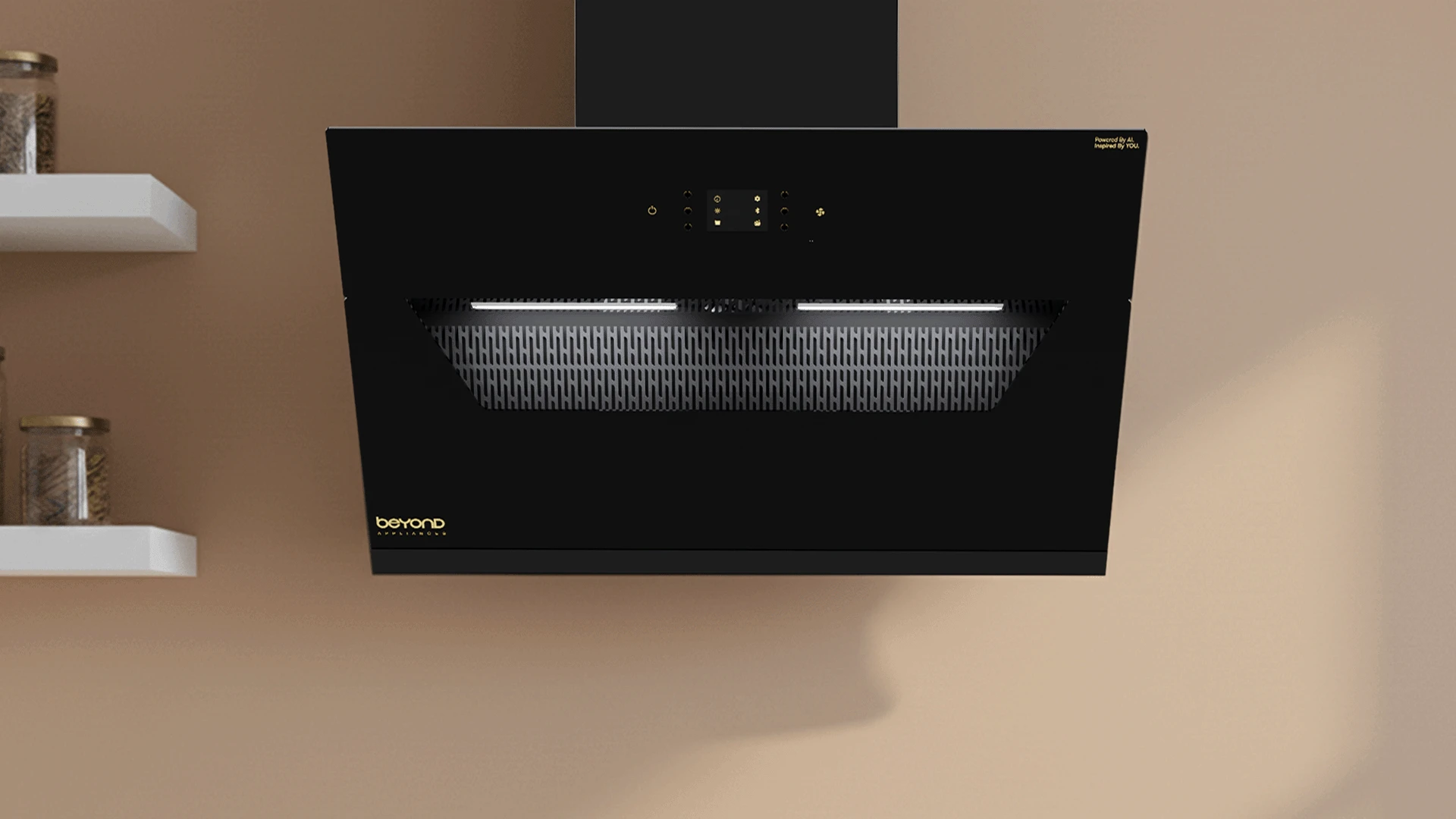
Modern kitchens face a constant challenge: how to balance functionality with limited space. Traditional chimneys often dominate kitchen layouts, requiring extensive clearance and installation space. Today's homeowners need smarter solutions that deliver powerful performance without compromising precious square footage. Compact chimney space saving technology has revolutionized how we approach kitchen ventilation, offering sleek designs that fit seamlessly into contemporary homes while maintaining superior smoke and odor removal capabilities.
A compact chimney space saving design fundamentally reimagines traditional ventilation principles. Unlike conventional chimneys that extend far from walls and require substantial clearance, these modern solutions optimize every inch of available space. The core difference lies in their streamlined engineering and advanced filtration technology.
Traditional chimneys typically demand 26-32 inches of clearance from cooking surfaces and extend significantly into kitchen space. Small chimney alternatives reduce this footprint by up to 60% through innovative mounting systems and slim-profile designs. These units integrate flush against walls or ceilings, creating clean lines that enhance rather than interrupt kitchen aesthetics.
Compact fireplace design principles apply equally to kitchen ventilation. Engineers focus on maximizing internal airflow efficiency while minimizing external dimensions. Advanced motor technology delivers powerful suction through smaller housings, while multi-stage filtration systems capture grease and odors more effectively than bulky traditional models.
The visual impact speaks volumes. Where traditional chimneys create visual barriers and dominate sight lines, compact solutions virtually disappear into kitchen architecture. This seamless integration particularly benefits open-plan layouts where kitchen visibility matters.
Understanding the practical differences between traditional and compact systems helps homeowners make informed decisions. Performance, installation requirements, and long-term value vary significantly between these approaches.
Traditional chimneys excel in raw power and proven reliability. However, their space demands often prove prohibitive in modern homes where every square foot counts.
Traditional chimney installations require minimum 26-32 inches clearance from cooking surfaces, plus additional space for ductwork and maintenance access. Total footprint often exceeds 4-5 square feet of kitchen area. Ceiling height requirements typically demand 8-9 feet minimum for proper installation and safety compliance.
Space saving fireplace technology reduces these requirements dramatically. Compact models need just 18-24 inches clearance while maintaining safety standards. Wall-mounted designs eliminate floor space consumption entirely, freeing valuable counter and storage areas.
Suction power comparison reveals surprising results. Traditional chimneys typically offer 800-1200 CFM (Cubic Feet per Minute) capacity. Modern efficient chimney designs achieve 600-1000 CFM through optimized airflow engineering, proving adequate for most residential cooking needs.
Smoke and odor removal efficiency depends more on proper sizing and installation than raw power. Compact units positioned correctly often outperform oversized traditional models in real-world conditions.
Traditional installations require extensive planning and structural modifications. Ductwork routing limits placement options and increases installation complexity. Modern fireplace alternatives offer multiple mounting configurations, including wall-mount, ceiling-mount, and island installations.
Ductless compact chimneys provide maximum flexibility by eliminating external venting requirements. These systems work particularly well in apartments and condos where ductwork modifications prove challenging or impossible.
Several compact chimney categories excel in space-constrained environments. Each type offers unique advantages depending on kitchen layout, cooking habits, and aesthetic preferences.
Choosing the right chimney for small spaces requires understanding these distinct approaches and their specific benefits.
Straight-line wall-mounted designs maximize space efficiency through minimal projection from cooking surfaces. These units typically extend just 12-18 inches from walls compared to 24-36 inches for traditional models. Slim profile benefits include easier cleaning access and reduced visual impact.
Installation requirements remain straightforward with standard wall mounting hardware. Most models accommodate standard electrical connections without special wiring needs.
Mini chimney filterless designs eliminate traditional baffle filters through advanced centrifugal separation technology. This approach reduces internal components and overall unit size while maintaining cleaning efficiency. Maintenance advantages include easier cleaning and reduced replacement part costs.
Performance in small kitchens often exceeds filtered alternatives due to unrestricted airflow and reduced pressure drops through the system.
Ultra-slim designs measure just 6-8 inches in depth while providing full-width coverage over cooking surfaces. These units integrate seamlessly with modern cabinet designs and work particularly well in galley-style kitchens where space is at premium.
Ceiling clearance optimization allows installation in kitchens with standard 8-foot ceilings without compromising headroom or functionality.
Beyond kitchen ventilation, compact heating solutions address space constraints in living areas. Compact wood stove options and electric alternatives each offer distinct advantages for small-space heating needs.
Wood stove installations require careful planning for safety clearances and chimney connections. Modern compact models reduce traditional clearance requirements through improved insulation and heat shielding technology.
Electric fireplace space advantages include zero clearance requirements, instant installation, and precise temperature control. These units integrate into existing electrical systems without structural modifications. Small space heating efficiency often favors electric options due to 100% heat conversion rates and zone heating capabilities.
Safety considerations in small spaces favor electric installations. No combustion gases, ash disposal, or fire risks simplify installation and operation. However, wood stoves provide heating independence during power outages and often cost less to operate long-term.
Proper installation maximizes the space-saving benefits of compact chimney systems. Planning and execution determine both performance and safety outcomes.
Modern chimney solutions require careful measurement and positioning to achieve optimal results without compromising kitchen functionality.
Measuring available space begins with understanding minimum clearance requirements. Most compact models need 18-24 inches from cooking surfaces and 6-12 inches from adjacent cabinets. Ceiling height measurements ensure adequate headroom after installation.
Electrical requirements typically include dedicated 15-20 amp circuits for motor and lighting systems. Ventilation planning determines whether ducted or ductless configurations work best for specific installations.
Professional installation ensures safety compliance and optimal performance. Complex electrical work, gas line modifications, or structural changes require licensed contractors. Most compact chimney manufacturers recommend professional installation to maintain warranty coverage.
DIY installation suits simple wall-mounted electric models with standard electrical connections. However, safety considerations always take priority over cost savings.
Financial considerations extend beyond initial purchase prices to include installation costs, operating expenses, and long-term value. Compact solutions often provide superior return on investment through reduced installation complexity and improved energy efficiency.
Understanding total cost of ownership helps homeowners make informed decisions based on both immediate needs and long-term financial impact.
Compact chimney price ranges typically span INR 8,000 to INR 25,000 depending on features, size, and brand quality. Traditional chimney installations often cost INR 15,000 to INR 40,000 including ductwork and installation labor.
Value for money comparison favors compact solutions when installation savings are included. Reduced labor costs and simpler electrical requirements often offset any premium for advanced compact technology.
Energy efficiency savings accumulate over time through improved motor technology and optimized airflow designs. Compact models typically consume 20-30% less electricity than traditional alternatives while maintaining comparable performance.
Maintenance cost differences favor compact designs through easier access and fewer replaceable components. Return on investment timelines typically range from 2-4 years depending on usage patterns and energy costs.
Compact chimneys typically require 18-24 inches clearance from cooking surfaces and 6-12 inches from adjacent cabinets. Wall-mounted models need minimal floor space, while ceiling clearance should allow 6-8 feet headroom after installation. These requirements are significantly less than traditional chimneys that need 26-32 inches clearance.
Ductless compact chimneys work excellently in small kitchens through advanced filtration technology that captures grease and odors without external venting. They offer maximum installation flexibility and often outperform ducted systems in apartments where external venting is restricted. Performance depends on proper sizing relative to cooking area.
Modern compact chimneys are specifically designed for Indian cooking conditions with suction capacities of 600-1000 CFM. Advanced filtration systems effectively handle oil vapors and strong spices. Filterless designs particularly excel with heavy cooking through centrifugal separation technology that prevents clogging.
For 4-burner stoves, choose compact chimneys measuring 60-75 cm width with minimum 600 CFM suction capacity. The chimney should extend slightly beyond the stove edges for optimal coverage. In small kitchens, 60 cm models often provide adequate performance while maximizing space savings.
Straight-line compact chimneys work perfectly for low ceiling kitchens with their ultra-slim 6-8 inch depth profiles. These designs maintain full functionality while requiring minimal vertical clearance. Wall-mounted installation eliminates ceiling height concerns entirely compared to traditional hanging models.
Compact chimney space saving solutions represent the future of kitchen ventilation for modern homes. These systems deliver comparable performance to traditional alternatives while dramatically reducing space requirements and installation complexity. The combination of advanced technology, flexible installation options, and improved energy efficiency makes compact chimneys ideal for contemporary living spaces.
Whether choosing wall-mounted, ductless, or ultra-slim designs, compact chimneys prove that effective ventilation doesn't require sacrificing valuable kitchen space. Professional installation ensures optimal performance and safety compliance, while long-term operating savings justify the initial investment. For homeowners prioritizing both functionality and space optimization, compact chimney technology offers the perfect solution.
