

Compact Chimney vs Standard: Complete Comparison Guide
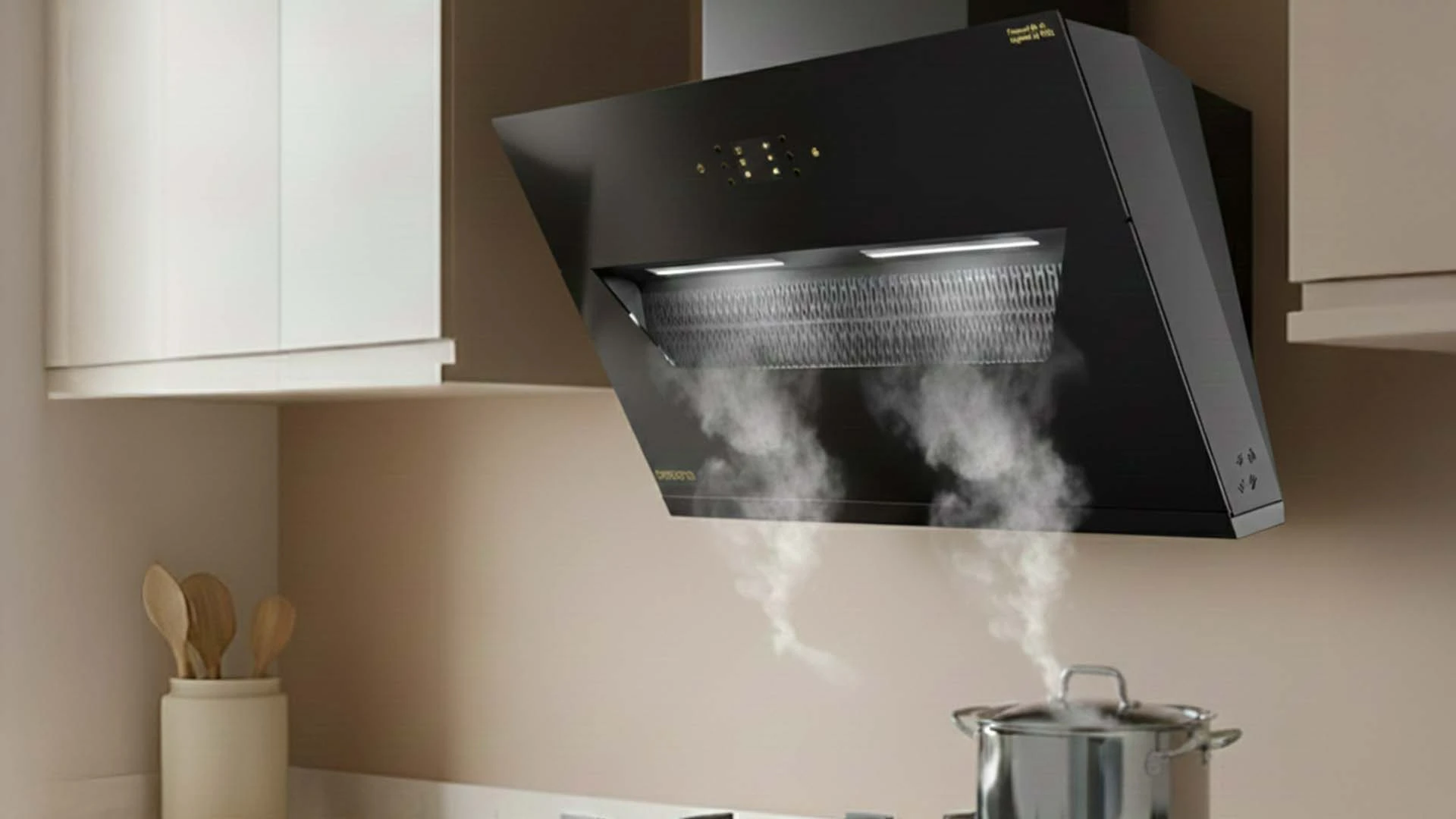
Choosing the right kitchen chimney can transform your cooking experience and kitchen aesthetics. With modern homes embracing compact designs and open kitchen layouts, the debate between compact chimney vs standard models has become more relevant than ever. Understanding the key differences in performance, space requirements, and cost will help you make an informed decision that perfectly matches your kitchen needs and cooking style.
The fundamental difference between compact chimney design and standard models lies in their dimensions and installation footprint. Compact chimneys typically measure 60-75cm in width, while standard chimney dimensions usually range from 90cm to 120cm. This size variation directly impacts both performance capabilities and visual presence in your kitchen. Compact chimneys feature streamlined profiles that blend seamlessly with contemporary kitchen designs. Their smaller form factor makes them ideal for apartments and modern homes where space optimization is crucial. Standard chimneys, on the other hand, offer robust construction with larger filter areas and higher suction capacities, making them suitable for spacious kitchens with heavy cooking requirements.
Today's modern chimney options include innovative features like auto-clean technology, touch controls, and energy-efficient LED lighting. Both compact and standard models now incorporate these advanced features, ensuring you don't compromise on functionality regardless of size choice.
When evaluating chimney size comparison, consider both the physical dimensions and the space needed for proper installation. Standard chimneys typically require 90-120cm width, 50-65cm depth, and 15-25cm height. Compact models need only 60-75cm width, 45-55cm depth, and similar height requirements. Installation clearance is equally important. Standard chimneys need minimum 65-75cm distance from the cooktop, while compact models can function effectively at 60-70cm distance. This difference might seem small but can significantly impact kitchen workflow and cabinet placement.
Small chimney alternatives include built-in models that integrate directly into kitchen cabinets and space saving chimney designs with telescopic features. These solutions maximize kitchen space while maintaining effective smoke extraction.
Performance differences between compact and standard models are significant when considering efficient chimney systems. Standard chimneys typically offer 800-1500 m³/hr suction capacity, while compact models range from 600-1000 m³/hr. For Indian cooking with heavy oil usage and strong spices, higher suction capacity ensures better odor and smoke removal. Filter efficiency varies between chimney types as well. Standard chimneys accommodate larger baffle filters that handle more grease and require less frequent cleaning. Compact models use smaller filters that may need more regular maintenance but are easier to handle and clean.
Compact chimneys generally operate at lower noise levels due to smaller motor sizes, typically producing 45-55 decibels. Standard models may generate 50-65 decibels but offer superior extraction performance. Energy consumption remains comparable, with both types using 150-250 watts during operation.
Contemporary chimney designs emphasize sleek aesthetics and smart functionality. Compact models excel in minimalist kitchen designs, offering clean lines and unobtrusive presence. Their smaller profile complements modern kitchen islands and peninsula layouts perfectly. Standard chimneys make bold design statements with their substantial presence. They work exceptionally well in traditional and transitional kitchen styles where the chimney serves as a focal point. Many homeowners prefer standard models for their commanding appearance and professional kitchen aesthetics.
Both compact and standard models now feature customizable panels and finishes that match kitchen cabinetry. This integration capability ensures seamless visual flow regardless of which size you choose.
Initial purchase costs favor compact models, typically ranging from INR 8,000 to INR 25,000. Standard chimneys cost between INR 15,000 to INR 45,000, reflecting their larger size and higher capacity motors. Installation costs remain similar for both types, usually adding INR 2,000 to INR 5,000 to the total investment. Long-term operational costs include filter replacements and energy consumption. Compact models may require more frequent filter changes due to smaller filter surface area, while standard models offer longer intervals between maintenance cycles.
Standard chimneys often provide better long-term value for families with heavy cooking habits. Their higher capacity and durability justify the additional investment. Compact models offer excellent value for light to moderate cooking households and smaller kitchens.
Understanding chimney pros and cons helps clarify which option suits your specific needs. Compact chimneys offer space efficiency, lower initial cost, easier installation, and modern aesthetics. However, they provide limited suction power, smaller filter capacity, and may struggle with heavy Indian cooking demands. Standard chimneys deliver superior suction power, larger filter area, better performance for extensive cooking, and impressive visual presence. Their drawbacks include higher space requirements, increased cost, bulkier appearance, and more complex installation needs.
For occasional cooking and light meal preparation, compact models perform adequately. Heavy cooking with multiple burners, deep frying, and traditional Indian cooking methods benefit significantly from standard chimney capabilities.
Installation requirements differ primarily in structural support needs. Standard chimneys require stronger mounting systems due to their weight and size. Both types need proper ducting for optimal performance, though compact models may work with smaller duct sizes. Maintenance frequency depends on cooking habits and filter type. Compact models with smaller filters may need cleaning every 2-3 months with regular cooking. Standard models can often go 4-6 months between thorough cleanings, depending on usage patterns.
While compact models might seem suitable for DIY installation, professional installation ensures proper mounting, electrical connections, and optimal performance for both types. Professional installation also maintains warranty coverage.
Compact chimneys are ideal for small kitchens as they provide adequate suction power while maximizing available space. Their streamlined design doesn't overwhelm compact kitchen layouts.
Compact chimneys with 600-800 m³/hr capacity handle moderate Indian cooking well. For heavy cooking with multiple curries and deep frying, standard models with higher capacity perform better.
Value depends on your kitchen size and cooking habits. Compact models offer better value for small kitchens and light cooking, while standard models provide superior value for large kitchens with extensive cooking needs.
Upgrading from compact to standard requires new mounting systems and potentially electrical modifications. Planning for future needs during initial installation is more cost-effective.
Choosing between compact chimney vs standard models depends on balancing space constraints, performance needs, and budget considerations. Compact models excel in modern, space-conscious kitchens with moderate cooking requirements. Standard chimneys suit larger kitchens and households with extensive cooking needs. Consider your long-term cooking habits, kitchen layout, and aesthetic preferences when making this important decision. Both options offer reliable performance when properly matched to your specific requirements.
