

Choosing Right Kitchen Appliances: Complete Guide
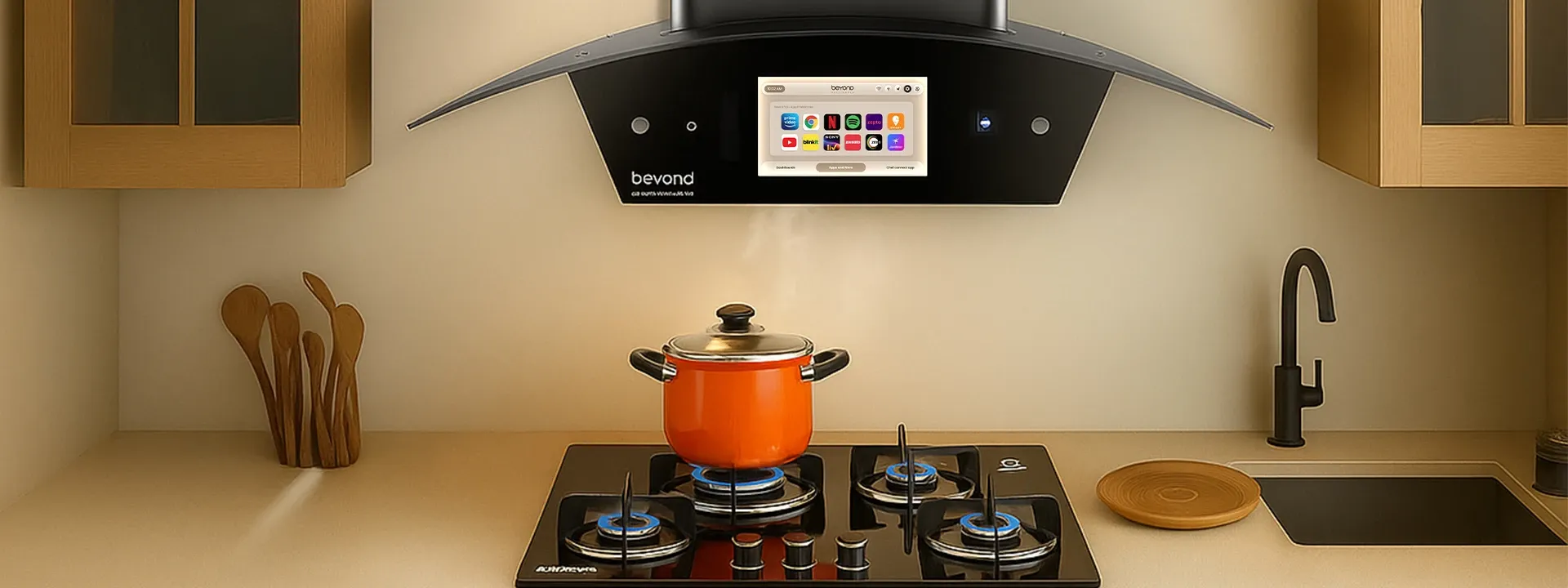
Creating the perfect kitchen requires careful planning and smart choices. Your kitchen appliances form the heart of your cooking space, affecting everything from daily meal preparation to entertaining guests. Choosing right kitchen appliances involves understanding your needs, space constraints, and lifestyle preferences. This comprehensive guide helps you navigate the world of modern kitchen solutions, from compact designs to full-scale installations. Whether you're renovating an existing kitchen or setting up a new home, the right appliance selection can transform your cooking experience and add significant value to your property.
Every functional kitchen requires certain core appliances that handle daily cooking tasks efficiently. These kitchen appliances serve as the foundation for meal preparation and food storage. Understanding which appliances are truly essential helps you prioritize your budget and space allocation effectively.
Refrigerators top the list of essential appliances, requiring careful consideration of size, energy efficiency, and storage features. Modern units offer advanced cooling technology, adjustable shelving, and smart connectivity options. Cooking ranges or cooktops form another crucial component, with gas, electric, and induction options each offering distinct advantages for different cooking styles.
Microwave ovens provide quick heating and defrosting capabilities that save time during busy schedules. Food processors and blenders handle chopping, mixing, and blending tasks efficiently. Coffee makers ensure fresh beverages, while water purifiers deliver clean drinking water. These small kitchen appliances complement major appliances and streamline food preparation processes.
Space considerations play a crucial role in appliance selection, especially in urban homes where kitchen areas are often limited. Compact kitchen appliances offer full functionality while fitting into smaller spaces efficiently. Proper planning ensures optimal workflow and prevents overcrowding that can make cooking tasks difficult.
Small kitchens benefit from multi-functional appliances that serve multiple purposes without consuming excessive counter space. Built-in designs maximize available area while maintaining a clean, organized appearance. Vertical storage solutions help accommodate necessary appliances without cluttering work surfaces.
Accurate measurements prevent costly mistakes and ensure proper appliance fit. Standard dimensions guide selection, but custom solutions may be necessary for unique spaces. Adequate ventilation requirements must be considered, especially for cooking appliances that generate heat and smoke. Proper planning creates efficient workflow patterns that make cooking more enjoyable.
Smart appliance selection requires evaluating multiple factors beyond initial cost. This kitchen appliance buying guide covers essential considerations that affect long-term satisfaction and performance. Understanding these factors helps you make informed decisions that align with your specific needs and budget constraints.
Setting realistic budget ranges prevents overspending while ensuring quality purchases. Cost versus value analysis helps identify appliances that offer the best return on investment. Long-term thinking considers energy costs, maintenance requirements, and potential resale value when making appliance choices.
Energy-efficient appliances reduce utility bills and environmental impact over time. Star ratings provide standardized efficiency comparisons across different models and brands. Eco-friendly features like water-saving modes and recyclable materials contribute to sustainable living practices.
Kitchen appliance types vary significantly in design, functionality, and installation requirements. Understanding these differences helps you choose options that best suit your cooking style and kitchen layout. Each type offers specific advantages and limitations that affect daily use and long-term satisfaction.
Built-in appliances create seamless integration with kitchen cabinetry and countertops. These designs maximize space efficiency and provide a custom, high-end appearance. Freestanding models offer greater flexibility for future changes and typically cost less than built-in alternatives.
Smart appliances provide remote monitoring, automated functions, and connectivity with other home systems. Traditional models focus on core functionality without digital complexity. Consider your comfort level with technology and desire for advanced features when choosing between these options.
Avoiding common pitfalls saves money and prevents frustration during kitchen setup. Many homeowners make sizing errors, choose inappropriate features, or neglect important compatibility factors. Learning from these mistakes helps ensure successful appliance selection that meets your needs effectively.
Overestimating space needs leads to oversized appliances that overwhelm small kitchens. Underestimating power requirements can result in inadequate performance for your cooking needs. Ignoring clearance specifications creates installation problems and safety hazards.
Feature overload increases costs without providing meaningful benefits for your cooking style. Focus on essential functions that you will use regularly rather than impressive but unnecessary capabilities. Consider maintenance requirements and learning curves associated with complex features.
Focus on compact, multi-functional appliances that maximize vertical space and offer energy efficiency. Measure your available space carefully and prioritize essential functions over luxury features. Consider built-in options that integrate seamlessly with cabinetry.
Start with essential appliances: refrigerator, cooking range or cooktop, microwave, and basic ventilation. These core items handle most daily cooking needs. Add specialty appliances gradually based on your cooking habits and available budget.
Allocate 15-20% of your total kitchen renovation budget for appliances, or INR 50,000 to INR 2,00,000 for a complete basic set. Premium appliances may require higher budgets, while budget-conscious shoppers can find quality options for less.
Prioritize energy efficiency, easy cleaning, reliable performance, and adequate capacity for your household size. Safety features, warranty coverage, and local service availability also deserve consideration when making final selections.
Install appropriate exhaust systems like chimneys or range hoods that match your cooking appliance capacity. Ensure adequate airflow and proper ducting to remove smoke, odors, and excess heat effectively from your kitchen space.
Choosing right kitchen appliances requires balancing functionality, space constraints, budget considerations, and personal preferences. Take time to assess your cooking habits, measure available space, and research different options thoroughly. Quality appliances represent a significant investment that affects daily life for many years. Focus on essential features that match your lifestyle rather than impressive specifications you may never use. With careful planning and informed decision-making, you can create a kitchen that serves your needs efficiently while adding value to your home.
