

Choosing Modern Kitchen Cooktops: Complete Guide
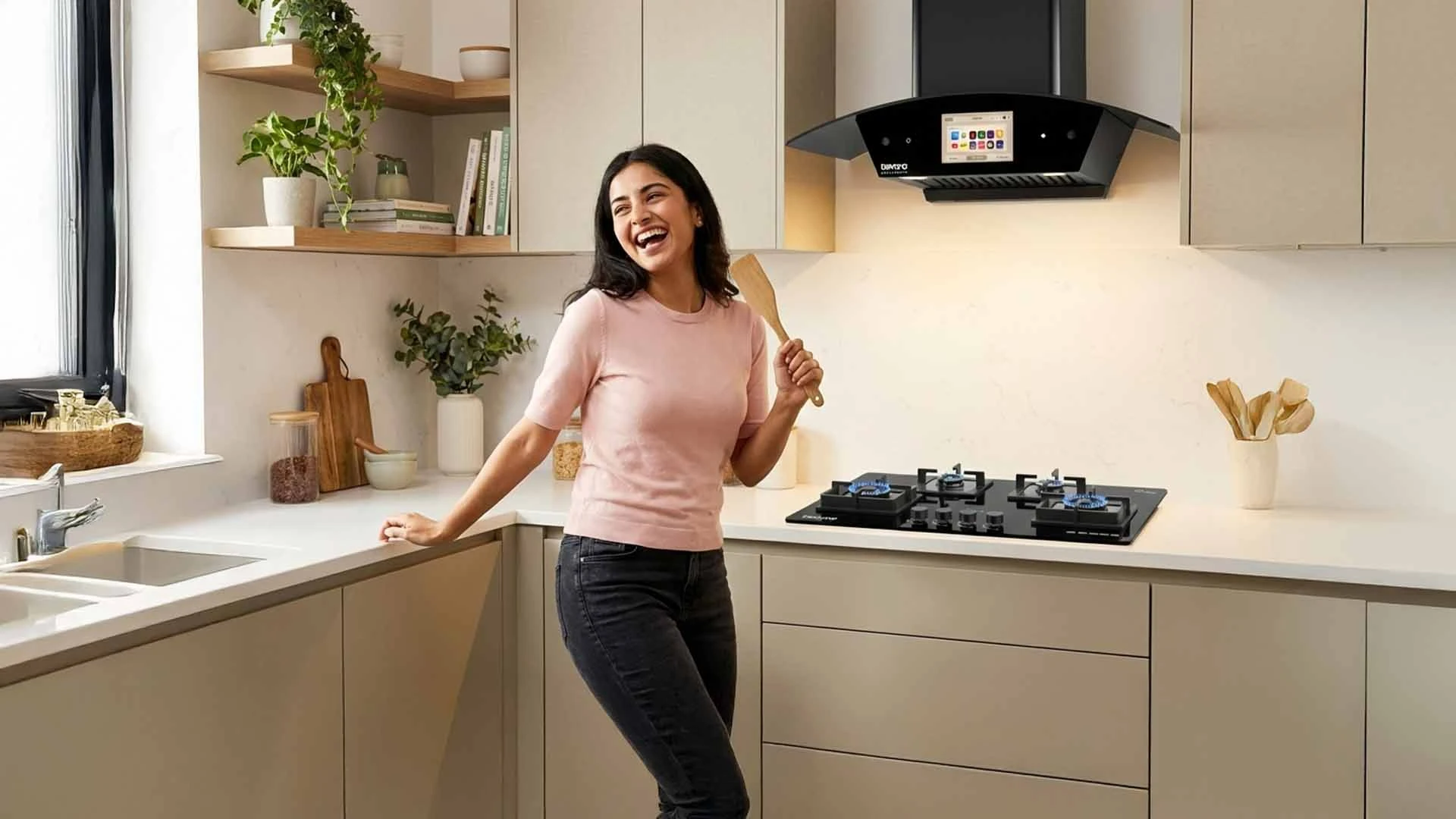
Modern kitchens demand appliances that blend style with functionality, and choosing the right cooktop is crucial for creating an efficient cooking space. Today's modern kitchen cooktops offer advanced features like precise temperature control, energy efficiency, and sleek designs that complement contemporary home aesthetics. Whether you're renovating your kitchen or building a new home, understanding the different types of cooktops available will help you make an informed decision that suits your cooking style and space requirements.
Modern kitchen cooktops represent a significant evolution from traditional cooking surfaces, incorporating cutting-edge technology and sophisticated design elements. These appliances feature sleek glass surfaces, touch controls, and smart connectivity options that transform the cooking experience. Modern cooktops prioritize energy efficiency, safety features, and ease of maintenance while delivering superior cooking performance.
Today's kitchen cooktops utilize three primary technologies: gas, electric, and induction heating systems. Gas cooktops provide instant heat control with visible flames, while electric models offer consistent heating through radiant elements. Induction technology uses electromagnetic fields to heat cookware directly, resulting in faster cooking times and improved energy efficiency.
Contemporary cooktops feature minimalist designs with integrated controls, seamless glass surfaces, and slim profiles that blend seamlessly with countertops. Touch-sensitive controls replace traditional knobs, while LED displays provide clear temperature and timer information. These design elements create a clean, sophisticated appearance that enhances any modern kitchen.
Understanding the differences between gas cooktops, electric cooktops, and induction cooktops is essential when choosing modern kitchen cooktops. Each technology offers unique advantages and considerations that affect cooking performance, energy consumption, and installation requirements.
Gas cooktops provide instant heat adjustment and visual flame indicators that many professional chefs prefer. The open flame design allows for high-heat cooking techniques and works exceptionally well with wok cooking. Modern gas models feature automatic ignition, safety shut-off valves, and sealed burners for easy cleaning. Installation requires proper gas line connections and adequate ventilation systems.
Electric cooktops offer smooth glass surfaces that are easy to clean and maintain. These units provide consistent heat distribution across the cooking surface and typically cost less to install than gas alternatives. Electric models heat up gradually but maintain steady temperatures, making them ideal for simmering and slow cooking. Energy efficiency varies depending on the heating element type and local electricity costs.
Induction cooktops represent the most advanced cooking technology available today. These units transfer energy directly to compatible cookware, achieving heating efficiency rates up to 90% compared to 40-50% for gas cooktops. Induction surfaces remain cool to the touch, reducing burn risks and kitchen heat buildup. However, they require magnetic cookware and may produce slight humming sounds during operation.
A comprehensive cooktop buying guide must consider multiple factors that influence both immediate satisfaction and long-term value. Your cooking habits, kitchen layout, and budget constraints all play crucial roles in determining the best cooktop for your needs.
Measuring available counter space accurately ensures proper cooktop fit and adequate clearance for safe operation. Consider the distance to windows, cabinets, and other appliances when planning installation. Ventilation requirements vary by cooktop type, with gas models needing more robust exhaust systems than electric or induction units.
Evaluate your cooking frequency and meal preparation style to determine the appropriate cooktop size and features. Families who cook multiple dishes simultaneously benefit from larger units with varied burner sizes. Professional cooking enthusiasts may prefer gas cooktops for their responsive heat control, while busy households might appreciate the safety features of induction models.
Initial purchase prices vary significantly between cooktop types, with induction models typically commanding premium prices. However, consider operating costs over time, as induction cooktops often provide substantial energy savings. Factor in installation costs, which can be higher for gas units requiring new gas lines or electrical upgrades for high-powered induction models.
Small kitchen cooktops and compact cooktops offer full functionality while maximizing limited counter space. These space-saving solutions incorporate innovative designs that don't compromise cooking performance despite their smaller footprints.
Two-burner configurations provide essential cooking capability while occupying minimal counter space. Some models feature overlapping burner zones that expand cooking area when needed. Portable induction units offer flexibility for small kitchens, allowing users to store the cooktop when not in use.
Modular cooktop systems allow customization of cooking surfaces based on specific needs. Some compact units integrate with small ovens or warming drawers to maximize functionality. Smart storage solutions include cooktop covers that create additional counter space when the unit isn't being used.
Cooktop installation requires careful planning and often professional expertise to ensure safe, code-compliant setup. Understanding installation requirements helps homeowners prepare adequately and avoid costly mistakes during the process.
Electrical requirements vary significantly between cooktop types, with induction models often requiring dedicated 240-volt circuits. Gas installations need proper line sizing and leak testing for safety. Countertop cutout specifications must be followed precisely to ensure proper fit and support.
Gas cooktop installation typically requires licensed professionals due to safety regulations and code requirements. Electrical work for high-powered induction units often exceeds DIY capabilities and may require permit approval. Professional installation protects warranty coverage and ensures compliance with local building codes.
When reviewing cooktop reviews and comparing modern cooktops, focus on features that enhance safety, convenience, and cooking performance. Advanced technology integration and smart features increasingly distinguish premium models from basic alternatives.
App connectivity allows remote monitoring and control of cooking processes. Voice assistant compatibility enables hands-free operation during meal preparation. Automatic cooking programs simplify complex recipes by managing temperature and timing automatically.
Child locks prevent accidental activation and ensure household safety. Automatic shut-off features provide peace of mind by turning off burners after extended periods. Residual heat indicators warn users when surfaces remain hot after cooking.
Consider your cooking style, available space, fuel type preferences, and budget. Evaluate features like burner configuration, control types, and safety options. Factor in installation requirements and long-term operating costs when making your decision.
Induction cooktops offer superior energy efficiency, faster heating, and precise temperature control compared to traditional electric models. However, they require compatible cookware and typically cost more initially. Electric cooktops work with all cookware types and have lower upfront costs.
Measure your available counter space and consider your typical cooking needs. Standard sizes range from 30 to 36 inches for built-in models. Compact options include 24-inch and portable units for smaller kitchens or supplemental cooking areas.
1600W induction cooktops heat faster and handle larger cookware more effectively than 1200W models. Higher wattage units excel at boiling water quickly and searing meats. Choose 1200W for basic cooking needs and 1600W for more demanding culinary tasks.
Modern cooktops generally require minimal maintenance. Glass surfaces need regular cleaning with appropriate cleaners. Gas models require periodic burner cleaning and safety inspections. Induction cooktops need the least maintenance due to their smooth, easy-to-clean surfaces.
Electric cooktop installation may be possible for experienced DIYers, but gas installations require professional service for safety and code compliance. High-powered induction units often need electrical upgrades that require licensed electricians.
Choosing modern kitchen cooktops involves balancing performance, efficiency, and design preferences with practical considerations like space and budget. Induction technology offers the best energy efficiency and safety features, while gas cooktops provide traditional cooking control. Electric models offer a middle ground with easy maintenance and broad cookware compatibility. Consider your cooking habits, kitchen layout, and long-term value when making your selection. Professional installation ensures safety and warranty protection, particularly for gas and high-powered electric models.
