

Chimney Benefits: Cooking Grease Extraction Guide
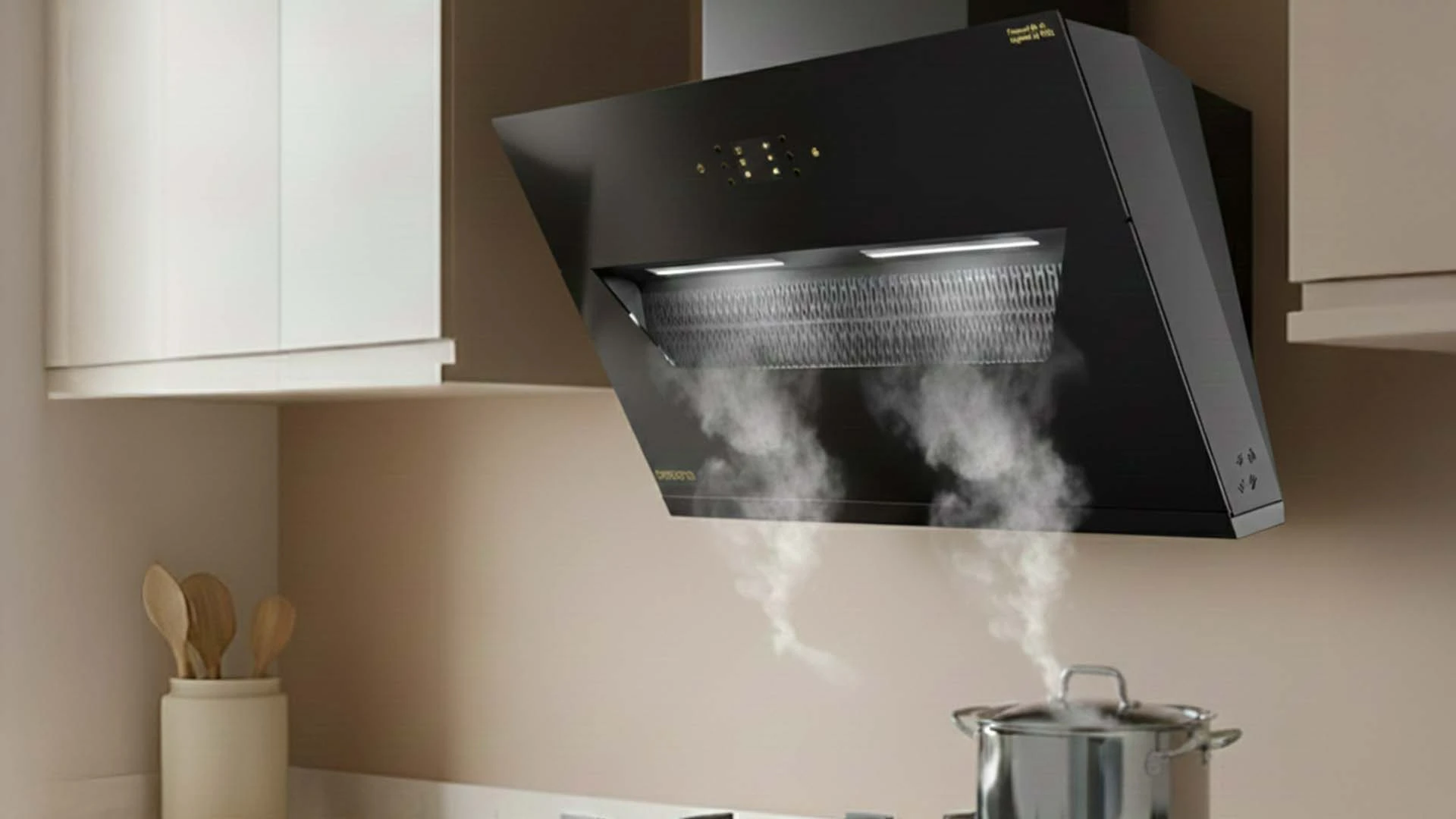
Cooking in a modern kitchen brings joy, but it also creates challenges like grease buildup, smoke, and lingering odors. Kitchen chimneys have become essential appliances that transform your cooking experience by effectively managing these issues. Understanding chimney benefits for cooking grease extraction helps you make informed decisions about improving your kitchen environment. These powerful ventilation systems not only protect your kitchen surfaces but also enhance air quality kitchen conditions for healthier cooking.
Kitchen chimneys are specialized appliances designed to extract smoke, grease, and cooking fumes from your kitchen. They work by creating powerful suction that pulls contaminated air through filters and either exhausts it outside or recirculates cleaned air back into the room. Modern chimney cooking solutions have evolved far beyond basic smoke removal to become sophisticated systems that enhance your entire culinary experience.
Indoor air pollution from cooking activities can be up to five times higher than outdoor levels. Without proper ventilation, cooking releases harmful particles, grease droplets, and volatile organic compounds that settle on surfaces and affect air quality. This makes kitchen chimneys not just convenient appliances but essential health and maintenance tools for any serious cooking enthusiast.
Understanding the comprehensive advantages of kitchen chimneys helps you appreciate their value beyond basic smoke extraction. These appliances offer multiple benefits that directly impact your cooking experience, kitchen maintenance, and overall home environment.
The primary function of any quality chimney involves capturing grease particles before they settle on kitchen surfaces. Advanced grease extraction technology uses multi-layer filters that trap oil droplets of various sizes. This prevents the sticky buildup that typically accumulates on walls, cabinets, and ceiling surfaces during regular cooking activities.
Cooking fumes removal mechanisms in modern chimneys eliminate smoke, steam, and persistent cooking odors effectively. These systems create negative pressure zones that capture contaminants at their source, preventing them from spreading throughout your home. Improved air quality kitchen conditions make cooking more pleasant and reduce respiratory irritation for family members.
Effective chimneys regulate temperature by removing hot air generated during intensive cooking sessions. This heat extraction creates more comfortable working conditions, especially during summer months or when preparing elaborate meals. Additionally, moisture control prevents condensation issues that can lead to mold growth and structural damage over time.
Contemporary kitchen chimneys seamlessly blend functionality with aesthetic appeal. Today's designs complement various kitchen styles while providing powerful performance that meets modern cooking demands.
Compact kitchen appliances have revolutionized small kitchen design possibilities. Slant and curved chimney models maximize space efficiency while maintaining excellent suction power. These designs work particularly well in apartments and compact homes where every square inch matters for both functionality and visual appeal.
Stylish range hoods now serve as focal points in modern kitchen design schemes. From sleek stainless steel finishes to glass panels with LED lighting, these appliances enhance kitchen aesthetics while delivering superior performance. T-shaped and curved designs offer elegant profiles that complement contemporary cabinetry and countertop materials.
Different ventilation systems offer varying levels of performance and installation requirements. Understanding these differences helps you choose the most suitable option for your specific kitchen layout and cooking habits.
Ducted systems exhaust contaminated air directly outside through external venting, providing maximum grease extraction efficiency. These systems work best for heavy cooking and offer superior odor removal. Ductless chimneys recirculate filtered air back into the kitchen, making them ideal for apartments or homes where external ducting is not feasible.
Modern chimneys incorporate auto-clean technology that uses heat treatment to break down grease deposits automatically. This feature significantly reduces maintenance requirements while ensuring consistent performance. Smart controls, variable speed settings, and energy-efficient motors enhance user convenience and operational efficiency.
Proper maintenance ensures optimal performance and extends your chimney's lifespan. Regular cleaning prevents grease buildup that can reduce suction efficiency and create fire hazards.
Clean baffle filters every two to three weeks using warm soapy water and gentle scrubbing. For heavily used kitchens, weekly cleaning may be necessary. Replace charcoal filters in ductless systems every three to six months, depending on cooking frequency and types of food prepared regularly.
Annual professional servicing ensures internal components remain clean and functional. Technicians can access areas that are difficult to clean during regular maintenance, including motor housings and internal ducting. This professional care helps maintain warranty coverage and prevents costly repairs.
Selecting an appropriate chimney involves considering multiple factors including kitchen size, cooking habits, and budget constraints. The right choice balances performance requirements with aesthetic preferences and installation limitations.
Chimney width should match or exceed your cooktop width for optimal coverage. Suction capacity, measured in cubic meters per hour, should be calculated based on kitchen volume and cooking intensity. For average Indian cooking, choose models with 600-1200 m³/hr capacity, adjusting higher for frequent frying or heavy spice usage.
Quality chimneys range from INR 8,000 to INR 50,000, depending on features and brand reputation. Consider long-term benefits including reduced cleaning costs, improved kitchen hygiene, and enhanced property value. Energy-efficient models with auto-clean features often provide better value despite higher initial costs.
Kitchen chimneys provide comprehensive benefits including effective grease extraction, smoke and odor removal, improved air quality, heat reduction, and protection of kitchen surfaces from oil buildup. They also enhance cooking comfort and maintain healthier indoor environments.
Chimneys create controlled airflow that extracts hot air generated by gas burners and cooking processes. This continuous air circulation significantly reduces ambient temperature, making the cooking environment more comfortable, especially during extended cooking sessions.
Remove filters and soak them in hot water with dishwashing liquid for 2-3 hours. Use a soft brush to scrub away grease deposits, then rinse thoroughly with clean water. For stubborn buildup, create a paste with baking soda and water for gentle abrasive cleaning.
Yes, modern chimneys are specifically designed to handle Indian cooking challenges including heavy oil usage, spice particles, and high-heat cooking methods. Models with higher suction capacity and efficient filtration systems work particularly well for traditional Indian cuisine preparation.
Regular maintenance includes cleaning filters every 2-3 weeks, wiping external surfaces weekly, and scheduling annual professional servicing. Replace charcoal filters in ductless models every 3-6 months and ensure proper ventilation around the unit for optimal performance.
Kitchen chimneys represent essential investments in modern cooking environments, offering comprehensive solutions for grease extraction, air quality improvement, and kitchen maintenance. The chimney benefits for cooking grease management extend far beyond basic smoke removal to include health protection, surface preservation, and enhanced cooking comfort. Whether you choose compact models for small spaces or powerful range hood benefits for large kitchens, proper selection and maintenance ensure years of reliable performance. Consider your specific cooking habits, kitchen layout, and budget requirements when selecting the ideal chimney system for your home.
