

Built-in Hob for Modular Kitchen FAQ: Your Questions Answered
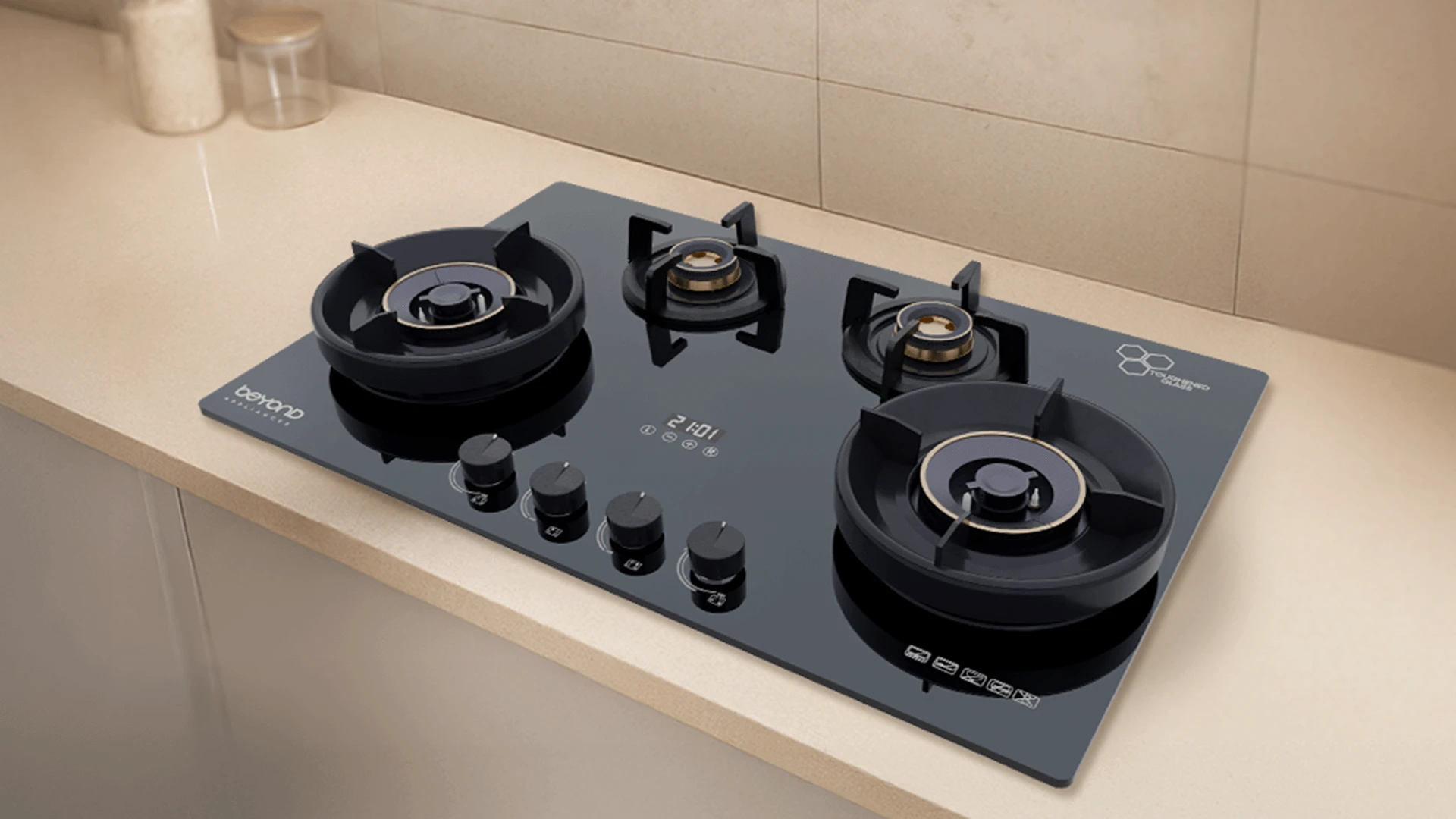
Choosing the right built-in hob for your modular kitchen involves understanding installation requirements, fuel types, and how different models integrate with your countertop design. Modern modular kitchens demand appliances that blend seamlessly with cabinetry while delivering reliable performance for daily cooking needs. Whether you're planning a new kitchen or upgrading existing appliances, built-in hobs offer space-saving solutions with professional aesthetics. Beyond Appliances offers gas hobs like the Dorado and Altair models that combine traditional cooking flexibility with smart safety features designed specifically for Indian kitchens.
Built-in hobs integrate flush with countertops, offering space-saving design and seamless aesthetics for modular kitchens
Gas, electric, and induction variants each suit different cooking styles, with gas remaining ideal for Indian cuisine requiring high-flame cooking
Professional installation ensures proper ventilation, safety connections, and optimal performance for years of reliable use
A built-in hob mounts flush with your kitchen countertop, creating a seamless cooking surface that integrates perfectly with modular kitchen designs. Unlike freestanding cooktops that sit on top of counters, integrated hobs require precise cutouts in the countertop material, whether granite, quartz, or engineered stone.
Space-saving kitchen hobs maximize counter area by eliminating the raised edges typical of standalone units. This flush installation makes cleaning easier since spills cannot accumulate around raised edges. The streamlined appearance enhances your kitchen's modern aesthetic while providing professional-grade cooking capabilities.
Built-in models offer superior aesthetics and easier cleaning compared to freestanding alternatives. However, they require professional installation and specific countertop modifications. Freestanding units provide more flexibility for future changes but may not achieve the seamless look desired in contemporary modular kitchens.
Modern modular kitchens accommodate three main hob types, each offering distinct advantages for different cooking preferences and kitchen setups. Understanding these differences helps you select the most suitable option for your specific needs.
Gas hobs remain the preferred choice for Indian cooking, offering instant flame control and high-heat capabilities essential for traditional recipes. The Dorado Gas Hob features Smart Timer function and auto-ignition technology with full brass burners, eliminating the need for matches while ensuring reliable flame generation. Its Smart Timer function helps manage cooking times precisely, particularly useful for dishes requiring specific timing.
Electric hobs provide consistent heat distribution and enhanced safety features, making them suitable for kitchens without gas connections. These models heat gradually and retain warmth longer than gas alternatives, requiring adjustment in cooking techniques but offering precise temperature control for delicate preparations.
Induction technology offers the fastest heating and most energy-efficient cooking method available. These hobs work only with magnetic cookware but provide instant heat adjustment and enhanced safety since the surface remains relatively cool during cooking. They suit modern kitchen designs perfectly with their sleek glass surfaces.
Proper hob installation in modular kitchens requires careful planning and professional execution to ensure safety and optimal performance. The installation process involves precise measurements, appropriate ventilation, and secure connections for gas or electrical supply.
Accurate countertop measurements ensure the hob fits perfectly within the designated cutout. Standard built-in hobs require specific dimensions, typically ranging from 560mm to 750mm depending on the number of burners. Adequate clearance around the installation area prevents heat damage to surrounding cabinetry and ensures proper ventilation.
Certified technicians handle gas connections and electrical wiring according to safety standards. The installation includes securing the hob within the countertop cutout, connecting supply lines, and testing all safety features. Models like the Altair Gas Hob include Flame Failure Devices that automatically cut gas supply if flames extinguish, requiring proper calibration during installation.
Burner configuration significantly impacts cooking flexibility and counter space requirements in your modular kitchen. The choice depends on family size, cooking habits, and available counter area for installation.
Three-burner hobs suit smaller kitchens and nuclear families perfectly, providing adequate cooking capacity while preserving valuable counter space. The Dorado 3-burner variant offers 6.5kW total heat output, sufficient for most daily cooking needs while maintaining a compact footprint ideal for space-conscious modular kitchen designs.
Four-burner configurations accommodate larger families and elaborate meal preparations simultaneously. The Altair 4-burner model delivers 10.4kW heat output with a dedicated jumbo burner for high-heat cooking requirements. This configuration suits kitchens with ample counter space and frequent entertaining needs.
Modern built-in hobs incorporate advanced safety mechanisms and smart features that enhance cooking convenience while protecting users from potential hazards. These technologies address common cooking challenges faced in Indian kitchens.
Flame Failure Devices automatically shut off gas supply when flames extinguish unexpectedly, preventing gas leaks and potential accidents. Auto-ignition systems eliminate the need for external ignition sources, reducing burn risks and improving convenience. Cast iron supports provide stable cookware placement while distributing heat evenly across burner surfaces.
Digital timers help manage multiple dishes simultaneously, alerting users when cooking times complete. This feature proves particularly valuable for Indian cooking techniques requiring precise timing, such as tempering spices or achieving perfect rice texture. Smart timers reduce overcooking risks while allowing multitasking during meal preparation.
Built-in gas hobs require professional installation and specific countertop modifications, increasing initial setup costs. Repairs may be more complex since components are integrated within the counter structure. However, quality models like Beyond Appliances hobs include comprehensive warranties and an extensive service network (20,000 locations) to address these concerns.
Gas built-in hobs remain ideal for Indian cuisine due to instant flame control and high-heat capabilities essential for traditional cooking techniques. Models with full brass burners and multiple flame settings accommodate everything from gentle simmering to high-heat stir-frying required in Indian recipes.
Built-in hobs provide identical cooking functionality to freestanding cooktops while offering superior aesthetics and easier cleaning. The flush installation creates a seamless cooking surface that integrates perfectly with modular kitchen designs without compromising cooking performance or versatility.
Standard 3-burner models require approximately 560mm width, while 4-burner variants need around 750mm. Adequate clearance of at least 50mm on all sides ensures proper ventilation and prevents heat damage to surrounding cabinetry materials. Please refer to manufacturer specifications for exact requirements.
Daily cleaning involves wiping surfaces after cooking and ensuring burner ports remain clear of food debris. Monthly deep cleaning includes removing and washing burner components, checking gas connections, and testing safety features like auto-ignition and flame failure devices.
Built-in hobs transform modular kitchens by combining functional cooking capabilities with seamless aesthetic integration. This built-in hob for modular kitchen remains the preferred choice for Indian cooking, offering instant flame control and high-heat capabilities essential for traditional recipes. Professional installation ensures safety and optimal performance, while smart features like auto-ignition and flame failure devices enhance convenience and protection. Consider your family size, cooking habits, and available counter space when choosing between 3-burner and 4-burner configurations. Quality models from established manufacturers provide reliable performance backed by comprehensive warranties and service support, making them worthwhile investments for modern modular kitchens. The Dorado 3-burner variant offers 6.5kW total heat output, and the 4-burner variant offers 8kW, providing efficient cooking solutions for any modular kitchen.
