

9 Ways Modern Cooktops Work: From Gas to Induction
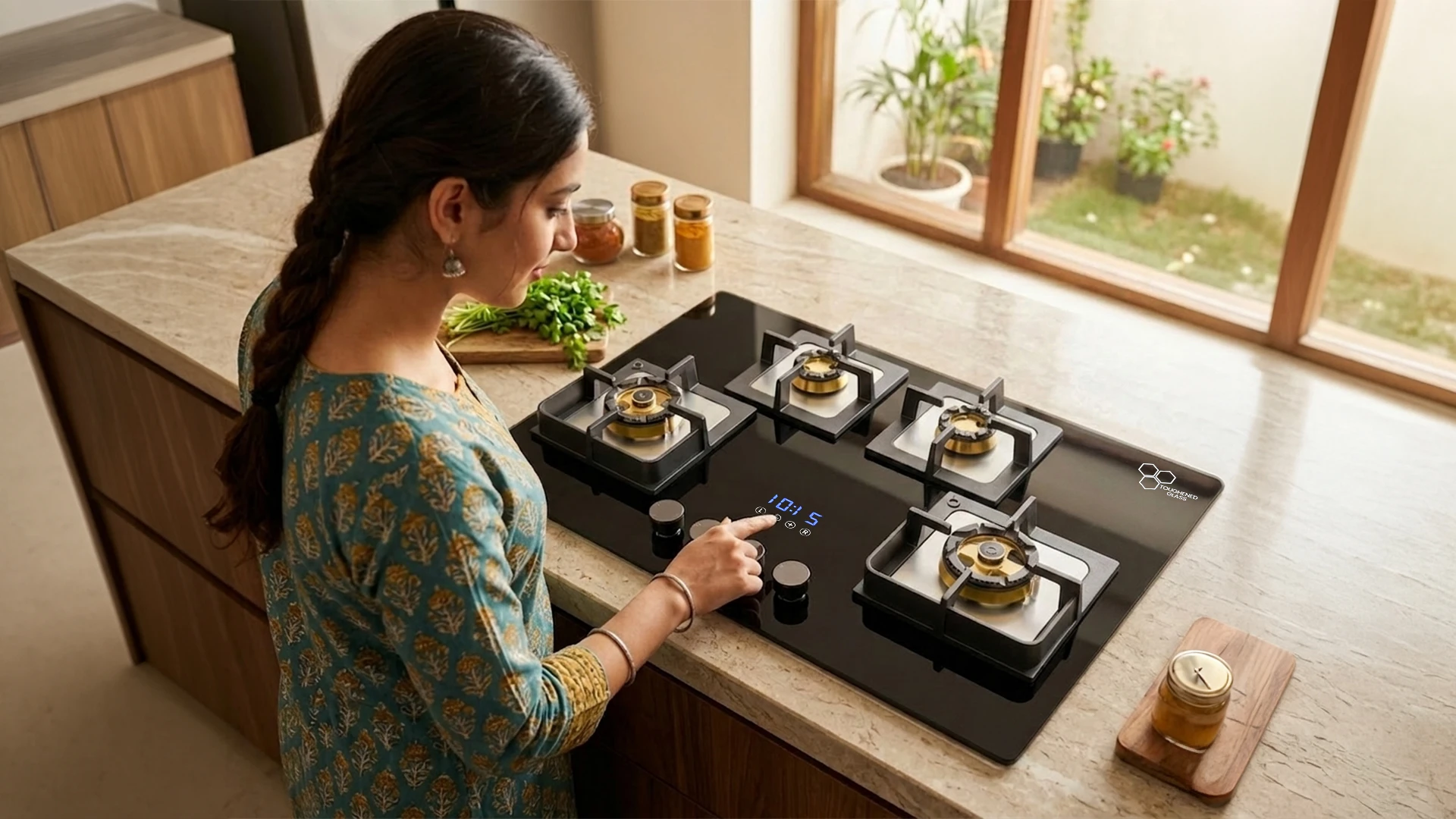
Modern cooktops have transformed from simple heating surfaces into sophisticated appliances that combine precision, safety, and energy efficiency. Understanding how modern cooktops work helps you choose the right technology for your kitchen needs. Whether you prefer the instant control of gas flames, the even heating of electric elements, or the precision of induction technology, each system operates on distinct principles that affect cooking performance, energy consumption, and safety features.
Modern cooktops use nine different heating technologies, from traditional gas flames to electromagnetic induction systems
Each technology offers unique advantages in terms of energy efficiency, control precision, and safety features
Smart features like auto-ignition, flame failure devices, and digital controls enhance both convenience and safety
Gas cooktop functionality relies on direct flame heating through controlled combustion. When you turn the control knob, gas flows through brass burners and mixes with air to create a controlled flame. Modern gas cooktops feature multiple burner sizes to accommodate different cooking needs, from gentle simmering to high-heat wok cooking. For high-heat tempering and managing oil splatter common in Indian cooking, the robust brass burners are ideal.
The latest gas hobs include advanced safety mechanisms. Flame Failure Devices (FFD) automatically cut gas supply if flames extinguish accidentally, preventing gas leaks. Auto-ignition systems eliminate the need for matches or lighters, creating sparks electronically when you turn the control knob. Beyond Appliances' Dorado Gas Hob combines these safety features with full brass burners that deliver 6.5-8 kW of heating power across 3 or 4 burner configurations, offering reliable performance even with heavy spice loads.
Temperature control happens instantly with gas flames. You can see and adjust heat levels immediately, making gas cooktops popular among professional chefs. The direct flame contact with cookware provides excellent heat distribution, especially for curved-bottom pans and woks used in traditional Indian cuisine.
Electric cooktop operation uses electrical resistance to generate heat through metal coils or solid heating elements. When electricity passes through these cooktop heating elements, resistance creates heat that transfers to your cookware. Traditional coil elements sit above the cooktop surface, while solid disk elements embed within the cooktop for a flatter cooking surface.
Modern electric cooktops feature multiple heat settings controlled by switches or digital interfaces. Heat-up time varies depending on element size and power rating, typically taking 2-3 minutes to reach medium temperatures. The heating elements cycle on and off to maintain consistent temperatures, which you can observe through indicator lights.
Energy efficiency in electric cooktops depends on proper cookware contact. Flat-bottomed pans maximize heat transfer, while warped or curved cookware reduces efficiency. Electric systems retain heat longer than gas, continuing to cook food even after switching off.
Smooth top stove basics center on radiant heating elements beneath a continuous ceramic glass surface. This cooktop surface material provides an elegant, easy-to-clean cooking platform while protecting the heating elements underneath. Radiant cooktop explained simply: electric coils or halogen elements heat up and transfer energy through the glass to your cookware.
The ceramic glass surface distributes heat evenly across the cooking zone, marked by printed circles or patterns. These zones heat up gradually and maintain consistent temperatures once stabilized. Residual heat indicators warn when surfaces remain hot after cooking, enhancing safety.
Cleaning smooth-top cooktops requires special care to avoid scratching the glass surface. The flat design eliminates crevices where spills can accumulate, but requires gentle cleaning products designed for ceramic surfaces. Proper cookware selection prevents scratches and ensures optimal heat transfer.
Induction cooktop technology represents the most advanced heating method available today. Instead of heating the cooktop surface, induction systems create electromagnetic fields that directly heat magnetic cookware. When you place compatible pots or pans on the cooking zone, electromagnetic coils beneath the surface generate rapidly alternating magnetic fields.
These magnetic fields cause iron molecules in your cookware to vibrate rapidly, generating heat directly within the pan itself. The cooktop surface remains relatively cool, with heat only transferred back from the hot cookware. This direct heating method makes induction the most energy efficient cooktops available, converting up to 90% of electrical energy into usable cooking heat under optimal conditions with compatible cookware.
Induction systems respond instantly to control changes, heating and cooling faster than gas flames. Temperature precision exceeds other cooking methods, with some models offering degree-by-degree control. However, induction requires magnetic cookware made from iron, steel, or magnetic stainless steel. Aluminum, copper, and non-magnetic stainless steel pans will not work unless they have magnetic bases.
Modern cooktop control systems have evolved from simple knobs to sophisticated digital interfaces. Touch controls provide precise temperature settings and timer functions, while digital displays show exact heat levels and cooking times. Smart connectivity allows remote monitoring and control through smartphone apps. Beyond Appliances innovations include digital timers for precise meal management and auto-ignition benefits for daily cooking convenience.
Timer functions automatically shut off burners after preset cooking times, preventing overcooking and enhancing safety. Some systems include multiple timers for different cooking zones, letting you manage complex meals efficiently. Beyond Appliances integrates smart timers across their gas hob range, including the Altair Gas Hob with its precision timer system.
Child safety locks prevent accidental activation, while automatic shut-off features detect overheating or extended operation periods. These cooktop safety features provide peace of mind, especially in busy households with children. Safety automation can solve real kitchen problems by preventing accidents before they happen.
Modern cooktop safety features protect users and prevent accidents through multiple mechanisms. Overheat protection automatically reduces power or shuts off heating elements when temperatures exceed safe limits. Residual heat indicators warn when surfaces remain hot after cooking, preventing accidental burns.
Energy efficient cooktops vary significantly by technology type. Induction systems lead in efficiency at 85-90% energy transfer, followed by gas at 40-55%, and traditional electric at 65-70%. However, efficiency also depends on cookware quality, cooking habits, and local energy costs.
Gas cooktops offer instant heat control and work during power outages, making them reliable for daily cooking. Electric systems provide consistent heat and work well for slow cooking and simmering. Induction combines the best of both worlds with instant response and precise control, though requiring compatible cookware.
Hybrid cooktop systems combine multiple heating technologies on a single surface. Some models feature both gas burners and electric elements, letting you choose the best heating method for each dish. Others combine induction zones with traditional electric elements for cookware flexibility.
Emerging technologies include improved electromagnetic systems with faster heating and better energy efficiency. Smart sensors detect cookware size and adjust heating zones automatically. Voice control integration allows hands-free operation, while app connectivity enables remote monitoring and recipe guidance.
Future developments focus on sustainability and user experience. Solar-powered electric cooktops, improved magnetic field efficiency, and AI-powered cooking assistance represent the next generation of cooktop innovation.
Selecting the ideal cooktop depends on your cooking style, kitchen setup, and energy preferences. Gas cooktops suit those who prefer instant heat control and work well with all cookware types. The Beyond Appliances Solaria Gas Cooktop offers premium 8mm glass construction with full brass burners, combining durability with precise flame control.
Electric cooktops work well for consistent heating and easy cleaning, while induction systems provide the ultimate in precision and efficiency. Consider your existing cookware, local energy costs, and cooking habits when making your decision.
Installation requirements also affect your choice. Gas cooktops need gas line connections and proper ventilation, while electric systems require appropriate electrical circuits. Induction cooktops may need upgraded electrical service for optimal performance.
Induction cooktop technology represents the most advanced heating method available today. Instead of heating the cooktop surface, induction systems create electromagnetic fields that directly heat magnetic cookware. When you place compatible pots or pans on the cooking zone, electromagnetic coils beneath the surface generate rapidly alternating magnetic fields. These magnetic fields cause iron molecules in your cookware to vibrate rapidly, generating heat directly within the pan itself. The cooktop surface remains relatively cool, with heat only transferred back from the hot cookware. This direct heating method makes induction the most energy efficient cooktops available, converting up to 90% of electrical energy into usable cooking heat under optimal conditions with compatible cookware. Induction systems respond instantly to control changes, heating and cooling faster than gas flames. Temperature precision exceeds other cooking methods, with some models offering degree-by-degree control. However, induction requires magnetic cookware made from iron, steel, or magnetic stainless steel. Aluminum, copper, and non-magnetic stainless steel pans will not work unless they have magnetic bases.
Both technologies offer distinct advantages. Induction provides superior energy efficiency and precise temperature control, while gas offers instant heat adjustment and works with all cookware types. Gas cooktops like Beyond Appliances' Auriga series include safety features like FFD and digital timers, making them reliable and user-friendly options.
Induction cooktops require magnetic cookware, which may mean replacing existing pots and pans. Initial costs are higher than gas or electric options, and some users report electromagnetic sensitivity concerns. Power outages completely disable induction cooktops, unlike gas systems.
Professional preferences vary by cooking style and kitchen requirements. Many chefs appreciate gas for its visual flame control and immediate response, while others prefer induction for its precision and consistent heat distribution. Both technologies can produce excellent cooking results when used properly.
Smart features like auto-ignition eliminate the need for matches, while flame failure devices automatically shut off gas supply if flames extinguish. Digital timers prevent overcooking, and child locks prevent accidental activation. These features significantly improve kitchen safety and cooking convenience.
The new kind of cooktop often refers to hybrid and emerging technologies. Hybrid systems combine multiple heating methods like gas and induction on a single surface, offering versatility. Emerging technologies include advanced electromagnetic systems with faster heating, smart sensors that adjust zones automatically, and voice control integration for hands-free operation. Future developments focus on sustainability and AI-powered cooking assistance, representing the next generation of cooktop innovation.
Gas cooktops work with all cookware materials, though flat bottoms provide better stability. Electric cooktops perform best with flat-bottomed pans that make full contact with heating elements. Induction requires magnetic cookware made from iron, steel, or magnetic stainless steel.
Understanding how modern cooktops work helps you make informed decisions about kitchen appliances that will serve you for years. Each technology offers unique benefits, from the instant control of gas flames to the precision of induction heating. Safety features like flame failure devices, auto-ignition, and smart controls have made modern cooktops safer and more convenient than ever before. How modern cooktop control systems work and their smart features are key considerations for any buyer.
Consider your cooking habits, kitchen setup, and energy preferences when choosing between gas, electric, or induction systems. Quality construction, reliable safety features, and proper installation ensure optimal performance regardless of the technology you select. Modern cooktops represent a significant investment in your kitchen's functionality and your family's daily cooking experience.
