

7 Top Chimney Technologies: Pros and Cons Revealed
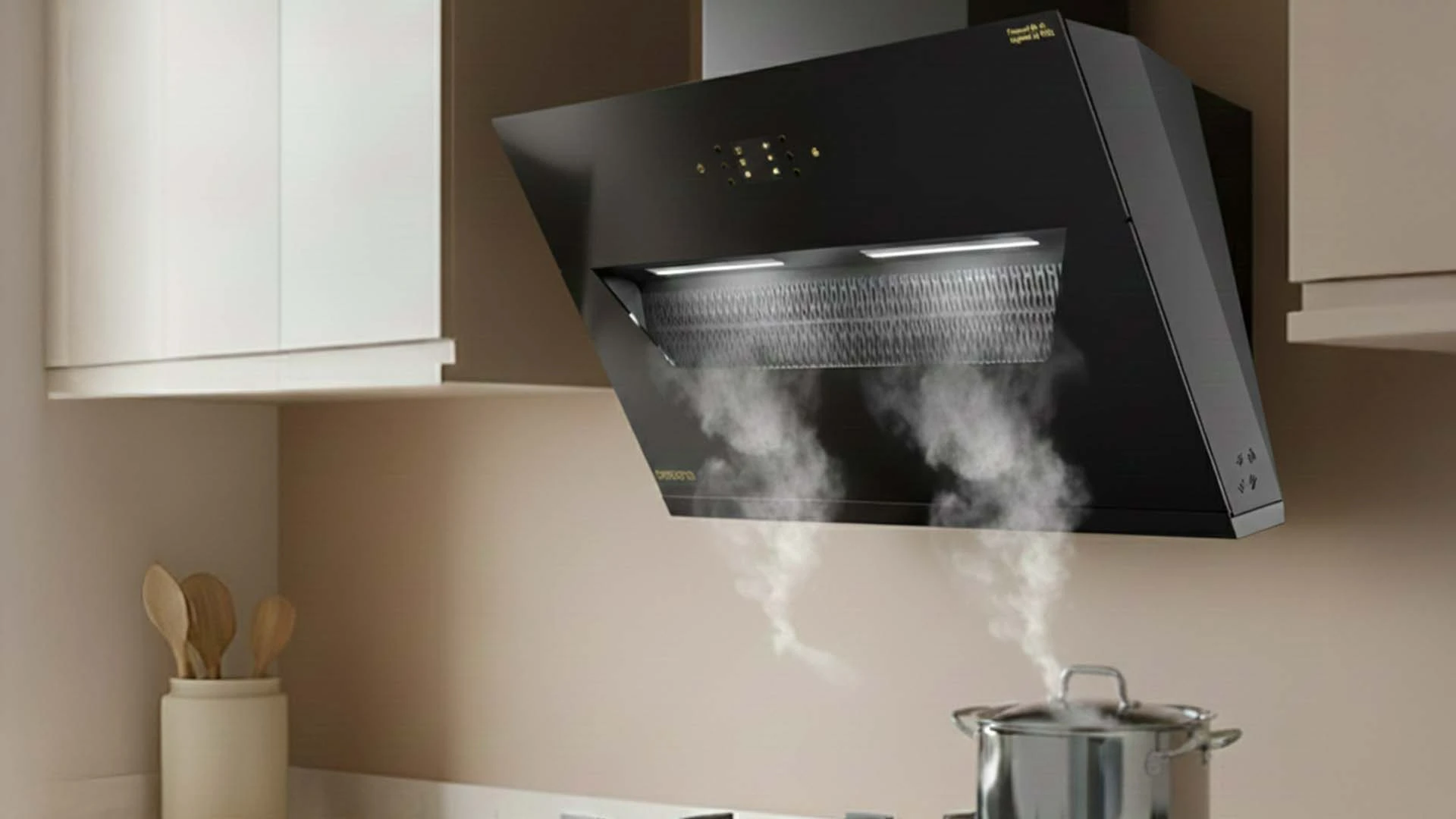
Modern kitchens demand more than just basic ventilation. Today's homeowners face countless choices when chimney technology comparing options becomes essential for creating the perfect cooking environment. From traditional masonry to cutting-edge smart systems, the landscape of chimney types has evolved dramatically. Understanding these technologies helps you make informed decisions that impact your kitchen's efficiency, safety, and overall performance for years to come.
The foundation of any chimney decision starts with understanding basic construction types. Traditional masonry chimneys use brick and stone construction, offering exceptional durability and classic aesthetics. These systems can last decades with proper maintenance but require significant structural support and professional installation.
Masonry chimneys excel in heat resistance and provide excellent draft characteristics. However, they demand substantial upfront investment, often ranging from INR 50,000 to INR 2,00,000 depending on design complexity. Installation requires skilled craftsmen and can take several weeks to complete.
Factory-built metal chimneys offer faster installation and lower initial costs. These systems use double or triple-wall construction with insulation between layers. Installation typically costs INR 15,000 to INR 75,000, making them attractive for budget-conscious homeowners seeking reliable performance.
Ductless chimney systems represent a breakthrough in modern chimney design. These units filter and recirculate air instead of venting it outside, making them perfect for apartments and homes where traditional venting proves challenging. These systems use advanced multi-stage filtration including grease filters, carbon filters, and sometimes UV sterilization. The technology works by drawing cooking fumes through progressively finer filters before returning cleaned air to the kitchen. This approach eliminates the need for exterior wall modifications or roof penetrations.
Installation flexibility tops the list of ductless benefits. You can mount these units virtually anywhere with electrical access. They work perfectly in rental properties where permanent modifications aren't allowed. Energy efficiency also improves since conditioned air stays inside your home rather than being exhausted outside.
Filter maintenance becomes crucial with ductless systems. Carbon filters need replacement every 3-6 months, adding ongoing costs of INR 2,000 to INR 5,000 annually. These systems also consume more electricity than traditional vented models, potentially increasing monthly energy bills by INR 200 to INR 500.
Brushless DC motor technology transforms how efficient chimney systems operate. BLDC motors use electronic controllers instead of carbon brushes, resulting in superior performance across multiple metrics. These motors adjust speed automatically based on cooking intensity and air quality sensors. They operate at whisper-quiet levels, typically under 40 decibels at normal speeds. Energy consumption drops by 40-60% compared to traditional AC motors, saving INR 1,500 to INR 3,000 annually on electricity bills.
BLDC technology delivers precise speed control and instant response to changing conditions. Motors last 2-3 times longer than conventional alternatives, reducing replacement costs over the appliance's lifetime. Heat generation stays minimal, improving kitchen comfort during extended cooking sessions.
Initial costs run INR 10,000 to INR 25,000 higher than standard motor systems. Repair complexity increases due to electronic controls, though failures occur less frequently. Professional service becomes essential for motor-related issues, potentially increasing maintenance expenses.
Maintenance technology significantly impacts long-term ownership experience. Auto-clean systems use heat or specialized mechanisms to reduce manual cleaning requirements, while traditional systems rely on removable filters and regular user maintenance. Auto-clean technology typically employs thermal cleaning cycles that burn off grease deposits or oil collection systems that channel residue into removable containers. These systems promise reduced maintenance frequency and improved hygiene.
Convenience leads the benefits list for auto-clean systems. Cleaning cycles run automatically, reducing hands-on maintenance to quarterly deep cleaning sessions. Grease buildup decreases, potentially improving fire safety and system efficiency over time.
Manual systems offer greater control over maintenance schedules and methods. Filter replacement costs stay lower, typically INR 500 to INR 2,000 per set. Users can inspect and clean components thoroughly, potentially extending system lifespan through attentive care.
Chimney materials and filtration technology work together to determine system performance and longevity. Modern systems employ multiple filtration stages using various materials optimized for different contaminant types. Baffle filters use angled metal plates to separate grease from air through directional changes. Mesh filters trap particles through physical barriers. Carbon filters absorb odors and chemical compounds. Some premium systems combine all three approaches for comprehensive air cleaning.
Stainless steel grades vary significantly in corrosion resistance and durability. Grade 304 offers good performance for most applications, while Grade 316 provides superior resistance to acidic cooking environments. Aluminum components reduce weight but may show wear faster in heavy-use situations.
Filterless designs eliminate ongoing filter costs but require more frequent manual cleaning. Multi-stage systems provide superior air quality but increase maintenance complexity and costs. Choosing the right balance depends on cooking habits, budget constraints, and maintenance preferences.
Contemporary chimney systems increasingly incorporate smart technology and connectivity features. IoT integration allows remote monitoring and control through smartphone apps, while sensors automatically adjust operation based on air quality and cooking activity. Smart systems can integrate with home automation platforms, coordinating with lighting, HVAC, and security systems. Some models include voice control compatibility and learning algorithms that adapt to household cooking patterns over time.
Remote monitoring helps track filter life, energy consumption, and maintenance schedules. Automatic speed adjustment optimizes performance while minimizing noise and energy use. Integration with smart home systems creates seamless kitchen automation experiences.
Smart features increase initial costs by INR 15,000 to INR 40,000 compared to basic models. Internet connectivity requirements may limit functionality during outages. Software updates and app compatibility become ongoing considerations for long-term usability.
Choosing among chimney alternatives requires systematic evaluation of your specific needs, constraints, and priorities. Start by assessing your kitchen size, cooking frequency, and preferred maintenance level. Budget considerations should include initial purchase price, installation costs, and ongoing maintenance expenses. Factor in energy consumption, filter replacements, and potential repair costs over a 10-year ownership period.
Structural limitations may eliminate certain options. Apartments often restrict exterior modifications, making ductless systems attractive. Older homes might need electrical upgrades for smart features or high-powered motors.
Heavy cooking requires robust filtration and high airflow capacity. Noise sensitivity favors BLDC motors and sound-dampened designs. Energy efficiency becomes important for frequent users concerned about operating costs.
Ductless systems with BLDC motors offer the best combination of flexibility, efficiency, and modern chimney design features. They work well in apartments and provide excellent performance without exterior modifications. Smart features enhance convenience, while energy-efficient motors reduce operating costs.
Current innovations focus on IoT connectivity, advanced sensor technology, and improved filtration systems. BLDC motors provide superior efficiency, while auto-clean features reduce maintenance requirements. Smart integration allows remote monitoring and automatic performance optimization.
BLDC technology offers significant advantages including 40-60% energy savings, quieter operation, and longer motor life. Higher initial costs are offset by reduced operating expenses and improved performance. These motors provide precise speed control and better integration with smart home systems.
Auto-clean systems suit busy households prioritizing convenience, while manual systems offer better cost control and maintenance flexibility. Auto-clean technology reduces cleaning frequency but increases initial costs. Manual systems provide thorough cleaning control at lower ongoing expenses.
Modern fireplace technology offers numerous options for every kitchen and budget. Ductless systems provide installation flexibility, while BLDC motors deliver efficiency and performance. Smart features enhance convenience but increase complexity and costs. Consider your specific needs, maintenance preferences, and long-term ownership costs when selecting chimney technology. Professional installation ensures optimal performance regardless of the system you choose.
