

7 Stunning LED Chimney Lighting Design Ideas
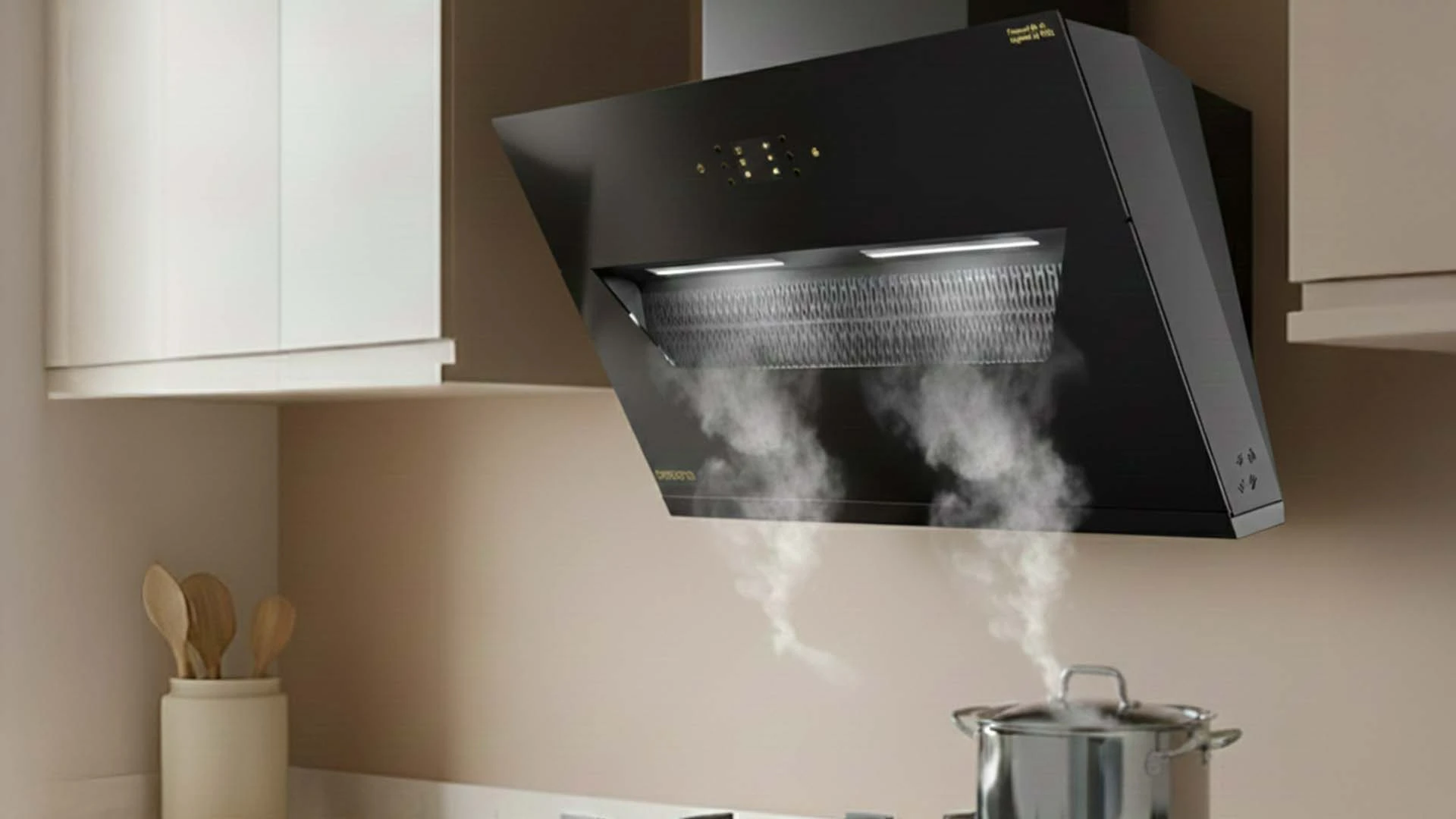
Modern kitchens demand more than just functional appliances—they require design elements that blend seamlessly with contemporary aesthetics. Chimney features LED lighting has emerged as a game-changing innovation that transforms ordinary kitchen spaces into stunning culinary environments. These illuminated systems combine practical cooking benefits with sophisticated visual appeal, creating focal points that enhance both functionality and style. Whether you're renovating an existing kitchen or designing a new one, incorporating LED lighting into your chimney design opens up endless possibilities for creating a space that's both beautiful and highly functional.
Today's homeowners expect their kitchens to serve multiple purposes—from daily meal preparation to entertaining guests and family gatherings. Modern fireplace lighting and contemporary chimney features address these diverse needs by providing enhanced visibility, energy efficiency, and aesthetic appeal that traditional lighting simply cannot match.
LED technology offers significant advantages over conventional lighting solutions. These systems consume up to 80% less energy than traditional bulbs while providing superior illumination quality. The enhanced visibility during cooking operations reduces eye strain and improves safety, especially when working with sharp tools or hot surfaces. Additionally, LED lights generate minimal heat, making them ideal for kitchen environments where temperature control is crucial.
Modern LED chimney lighting systems integrate seamlessly with smart home technology, allowing users to control brightness, color temperature, and timing through smartphone apps or voice commands. This integration extends beyond basic on-off functionality to include programmable schedules, motion sensors, and automatic dimming based on ambient light conditions.
LED lights have an average lifespan of 25,000 to 50,000 hours, significantly reducing maintenance requirements. Their solid-state construction makes them resistant to vibrations and impacts, while their low heat output reduces fire risks in kitchen environments.
Creating the perfect illuminated chimney requires careful consideration of both functional and aesthetic elements. These seven design approaches offer diverse solutions for different kitchen styles, budgets, and spatial requirements.
Compact fireplace design benefits tremendously from sleek LED strip installations that maximize visual impact while minimizing space requirements. Hidden LED strips installed along the underside of the chimney hood create clean, uninterrupted lines that complement modern kitchen aesthetics. These built-in chimney lights provide excellent task lighting without cluttering the visual space.
Perimeter lighting creates dramatic visual effects by highlighting the chimney's architectural features. Lighted fireplace surround designs use strategically placed LEDs to emphasize materials like brushed steel, tempered glass, or natural stone. Fireplace accent lighting can include color-changing capabilities, allowing homeowners to adjust the ambiance for different occasions.
Sophisticated lighting schemes divide the kitchen into distinct zones, each with specific lighting requirements. Task lighting focuses on cooking areas, ambient lighting creates comfortable dining atmospheres, and decorative lighting adds visual interest. This approach works particularly well with chimney with lights that feature multiple LED arrays controlled independently.
Hands-free operation enhances both convenience and hygiene in busy kitchens. Motion sensors automatically activate lighting when someone approaches the cooking area, providing immediate illumination without requiring manual switches. These systems include adjustable sensitivity settings and programmable delay timers to prevent unnecessary activation.
Coordinating LED color temperatures with existing kitchen lighting creates cohesive visual environments. Warm white LEDs (2700K-3000K) complement traditional designs, while cool white options (4000K-5000K) enhance contemporary spaces. Some systems offer tunable white technology, allowing users to adjust color temperature throughout the day.
Exposed LED fixtures embrace the industrial aesthetic while providing excellent functionality. These designs feature visible LED arrays mounted in protective housings, creating bold visual statements that complement loft-style kitchens and modern industrial decor. The exposed design also simplifies maintenance and replacement procedures.
Premium installations combine multiple lighting technologies into seamless, integrated systems. These luxury solutions include programmable scenes, wireless controls, and integration with whole-home automation systems. High-end materials like brushed aluminum, copper accents, and crystal elements create stunning visual displays.
Chimney lighting ideas must account for electrical requirements, safety codes, and compatibility with existing systems. Professional installation ensures proper wiring, adequate ventilation, and compliance with local building codes.
Electrical requirements vary based on the number and type of LED fixtures. Most residential installations require dedicated 15-amp circuits to handle the electrical load safely. Proper grounding and GFCI protection are essential in kitchen environments where moisture and heat are present.
While LEDs generate minimal heat compared to traditional bulbs, proper ventilation remains important for optimal performance and longevity. Installation designs must ensure adequate airflow around LED fixtures and control electronics.
Modern LED systems offer various control options, from simple wall switches to sophisticated smartphone apps. Wireless controls eliminate the need for additional wiring, while hardwired systems provide more reliable operation. Integration with existing home automation systems requires compatible protocols like WiFi, Zigbee, or Z-Wave.
LED chimney lighting investments range from budget-friendly options starting around INR 5,000 to premium systems exceeding INR 75,000. Basic LED strip installations typically cost INR 8,000 to INR 15,000 including materials and professional installation.
Mid-range integrated systems with smart controls and multiple zones range from INR 20,000 to INR 40,000. These systems often include programmable features, wireless controls, and integration capabilities with popular smart home platforms.
High-end installations featuring custom designs, premium materials, and advanced automation can cost INR 50,000 to INR 100,000 or more. However, these systems offer exceptional durability, energy savings, and property value enhancement that justify the initial investment.
LED systems typically consume 15-25 watts compared to 100-150 watts for equivalent traditional lighting. Annual energy savings of INR 2,000 to INR 5,000 are common, with payback periods of 3-5 years depending on usage patterns and local electricity rates.
Proper maintenance ensures optimal performance and extends system lifespan. Regular cleaning with soft, dry cloths prevents dust accumulation that can reduce light output. Avoid harsh chemicals or abrasive materials that might damage LED surfaces or protective coatings.
Performance monitoring includes checking for dimming, color shifts, or flickering that might indicate component wear. Most quality LED systems include diagnostic features that alert users to potential issues before complete failure occurs.
Common problems include flickering lights, uneven illumination, and control system malfunctions. Many issues stem from loose connections, incompatible dimmer switches, or interference from other electronic devices. Professional diagnosis ensures proper resolution without voiding warranties.
Look for high-quality LED chips with long lifespans, dimming capabilities, color temperature options, and compatibility with your existing chimney system. Smart controls, motion sensors, and integration with home automation systems add significant value. Ensure the lighting system complements your chimney's suction power and auto-clean features.
LED lights enhance cooking visibility, reduce eye strain, and improve safety during food preparation. They consume less energy than traditional bulbs, generate minimal heat, and last significantly longer, reducing maintenance requirements. The improved illumination also makes it easier to monitor cooking progress and maintain cleanliness.
Recent innovations include tunable white technology, voice control integration, and smartphone app connectivity. Advanced systems feature motion sensors, programmable lighting scenes, and integration with smart kitchen appliances. Some models include air quality sensors that adjust lighting based on cooking activities.
Yes, ducted chimneys may require different LED configurations than ductless systems due to airflow considerations. T-shaped and curved chimneys need custom lighting layouts to ensure even illumination. Slant or inclined chimneys require careful LED placement to prevent glare and shadows.
Chimney features LED lighting represents a significant advancement in kitchen design, combining practical benefits with stunning visual appeal. These systems enhance cooking safety, reduce energy consumption, and create beautiful focal points that transform ordinary kitchens into extraordinary spaces. With proper planning, professional installation, and quality components, LED chimney lighting provides years of reliable performance while adding substantial value to your home. Whether you choose minimalist strip lighting or luxury integrated systems, the investment in LED technology delivers immediate benefits and long-term satisfaction for modern homeowners who demand both style and functionality in their kitchen spaces.
