

7 Steps to Achieving a Minimalist Kitchen Look
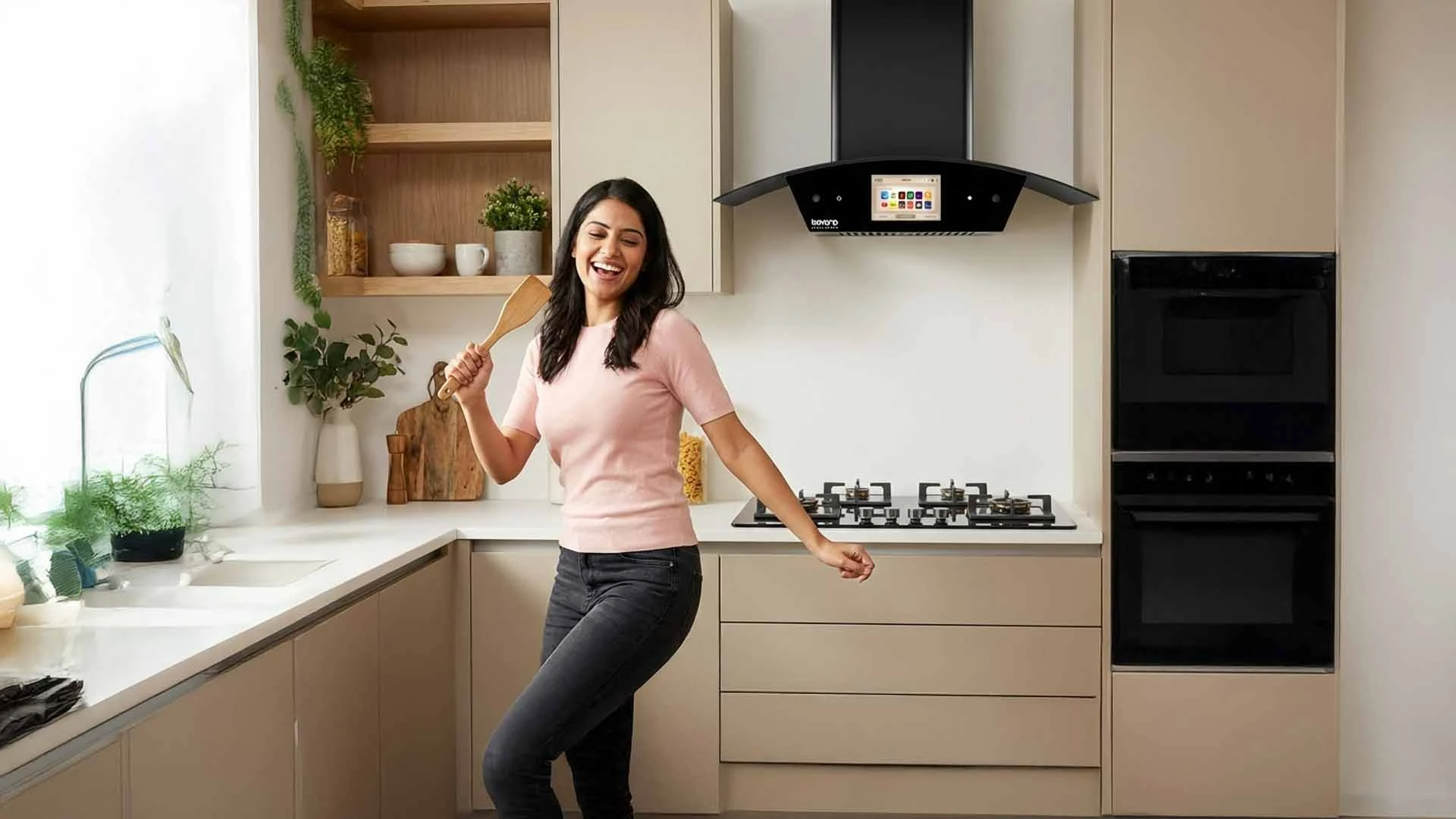
A minimalist kitchen transforms your cooking space into a serene, functional haven that prioritizes simplicity and efficiency. This design philosophy focuses on clean lines, uncluttered surfaces, and purposeful elements that enhance both form and function. Modern homemakers increasingly embrace minimalist principles to create kitchens that reduce stress, improve workflow, and showcase quality over quantity. The journey toward achieving a minimalist kitchen look requires thoughtful planning, strategic decluttering, and careful selection of essential elements that serve multiple purposes while maintaining visual harmony.
A minimalist kitchen embodies the "less is more" philosophy through deliberate design choices that eliminate excess while maximizing functionality. This approach creates spaces where every element serves a purpose, from sleek appliances to carefully curated storage solutions. The clean kitchen aesthetic reduces visual noise, making daily cooking tasks more enjoyable and efficient. The benefits extend beyond mere appearance. Research shows that organized spaces reduce cortisol levels and improve mental clarity. A functional kitchen design streamlines meal preparation, reduces cleaning time, and creates a calming environment that supports healthy cooking habits. Modern families spend significant time in their kitchens, making this transformation particularly valuable for overall well-being.
Begin your minimalist transformation with a comprehensive decluttering session that follows proven kitchen decluttering tips. Apply the 80/20 rule: most people use only 20% of their kitchen items regularly. Remove everything from cabinets, drawers, and countertops to evaluate each item's necessity and frequency of use. Create three distinct zones for sorting: keep, donate, and discard. Essential items include daily cooking tools, frequently used appliances, and basic dinnerware. Question duplicate items and specialty gadgets that serve single purposes. This process reveals your true storage needs and creates the foundation for an organized kitchen space.
Document your kitchen's dimensions and current storage capacity. Photograph the empty space to visualize possibilities and identify areas where clutter typically accumulates. This assessment guides future decisions about furniture placement and storage solutions.
Neutral colors form the backbone of successful modern kitchen design, creating timeless appeal that won't date quickly. White, cream, soft gray, and warm beige provide versatile foundations that make spaces appear larger and brighter. These colors also allow natural light to bounce throughout the room, enhancing the overall ambiance. Select a primary neutral for large surfaces like cabinets and walls, then introduce subtle variations through countertops and backsplashes. This contemporary kitchen style approach maintains visual cohesion while adding depth and interest. Consider how different lighting conditions affect your chosen colors throughout the day.
Limit your palette to three main colors maximum. Too many color variations create visual chaos that contradicts minimalist principles. Stick to tones within the same color family for seamless transitions between different surfaces and materials.
Select furniture and fixtures that embody simple kitchen decor principles through clean lines and minimal ornamentation. Flat-panel cabinet doors, sleek handles, and streamlined profiles contribute to the overall minimalist aesthetic. Quality materials like solid wood, stainless steel, and stone add sophistication without unnecessary embellishment. Choose hardware that complements your neutral palette while maintaining functionality. Brushed stainless steel, matte black, or warm brass finishes work well in minimalist settings. Ensure all selections support the functional kitchen design goal of creating an efficient, beautiful workspace.
Modern appliances like the Android Chimney with its sleek design and advanced features can enhance your minimalist kitchen while providing superior functionality. The filterless design and 3D suction technology eliminate bulky components while maintaining powerful performance. The integrated infotainment screen and dual speakers transform cooking into an enjoyable experience without adding visual clutter.
Effective storage solutions maintain the clean kitchen aesthetic by keeping necessities accessible yet invisible. Built-in pantries, pull-out drawers, and cabinet organizers maximize every inch of available space. These solutions work particularly well for compact kitchen ideas where space efficiency is paramount. Vertical storage utilizes wall space effectively through tall cabinets that reach the ceiling. This approach draws the eye upward, creating the illusion of height while providing ample storage. Install interior organizers that keep items separated and easily accessible without creating visual chaos.
Invest in furniture pieces that serve multiple purposes. Kitchen islands with built-in storage, benches with hidden compartments, and tables with drawers maximize functionality while maintaining clean lines. These solutions support small kitchen minimalism by eliminating the need for additional storage furniture.
Curate your appliance collection to include only frequently used items that earn their counter space. Essential appliances typically include a coffee maker, toaster, and perhaps a stand mixer for avid bakers. Store occasional-use appliances in dedicated cabinets or pantries to maintain clear surfaces. Integrated appliances create seamless transitions between different kitchen elements. Built-in microwaves, hidden dishwashers, and panel-ready refrigerators maintain the contemporary kitchen style while providing necessary functionality. This approach supports the overall goal of achieving a minimalist kitchen look through thoughtful appliance placement.
Modern appliances offer features that support minimalist living. The Android Chimney's dry heat auto clean technology eliminates the need for frequent manual cleaning, while the auto turn-off feature provides convenience without constant monitoring. These smart features reduce maintenance tasks while maintaining optimal performance.
Maintain clear countertops as the hallmark of minimalist kitchen design. Limit countertop items to daily essentials like a cutting board, knife block, or small plant. This approach creates visual breathing room that makes the space feel larger and more serene. Strategic spacing between elements prevents the cramped feeling common in busy kitchens. Leave adequate space around appliances, between cabinet handles, and around seating areas. This breathing room supports the functional kitchen design principle of easy movement and accessibility.
Develop daily habits that maintain clear surfaces. Designate specific homes for frequently used items and return them immediately after use. This practice prevents clutter accumulation and maintains the desired aesthetic long-term.
Select decorative elements that enhance rather than overwhelm your simple kitchen decor. Natural materials like wood cutting boards, stone bowls, or ceramic containers serve dual purposes as both functional items and visual interest. Fresh herbs in simple planters add life and fragrance while supporting cooking activities. Lighting plays a crucial decorative role in minimalist spaces. Under-cabinet LED strips, pendant lights with clean lines, and natural light from windows create ambiance without adding visual clutter. Quality lighting enhances the overall contemporary kitchen style while improving functionality.
Choose fewer, higher-quality decorative pieces rather than multiple small items. A single statement piece like a beautiful fruit bowl or elegant vase creates more impact than several smaller decorations. This approach maintains the minimalist principle while adding personality to the space.
Achieving a minimalist kitchen look can range from INR 50,000 for basic updates like paint and organization systems to INR 5,00,000 for complete renovations with high-end appliances and custom storage. Start with decluttering and paint, which costs under INR 20,000, then gradually invest in quality appliances and storage solutions.
Small kitchen minimalism actually works better than in larger spaces because every element must serve a purpose. Minimalist principles make small kitchens appear larger through clean lines, neutral colors, and clutter-free surfaces. Vertical storage and multi-functional furniture maximize limited space effectively.
Common mistakes include removing too much personality, creating sterile environments, and prioritizing appearance over function. Successful minimalist kitchen design balances simplicity with warmth through natural materials, adequate lighting, and thoughtful color choices.
Develop daily habits like cleaning as you cook, returning items to designated homes immediately, and conducting weekly decluttering sessions. Regular maintenance prevents clutter accumulation and preserves the organized kitchen space you've created.
Transforming your kitchen into a minimalist haven requires patience, planning, and commitment to the process. Start with decluttering to understand your true needs, then gradually implement each step while maintaining focus on functionality and simplicity. The investment in quality appliances, thoughtful storage solutions, and neutral design elements creates a timeless space that supports both daily cooking activities and long-term satisfaction. Remember that achieving a minimalist kitchen look is a journey rather than a destination. Begin with one step, perhaps decluttering or selecting a neutral color palette, then build momentum as you see positive changes. The resulting space will provide years of cooking enjoyment while reducing stress and maintenance requirements.
