

7 Smart Chimney Designs for Modern Homes
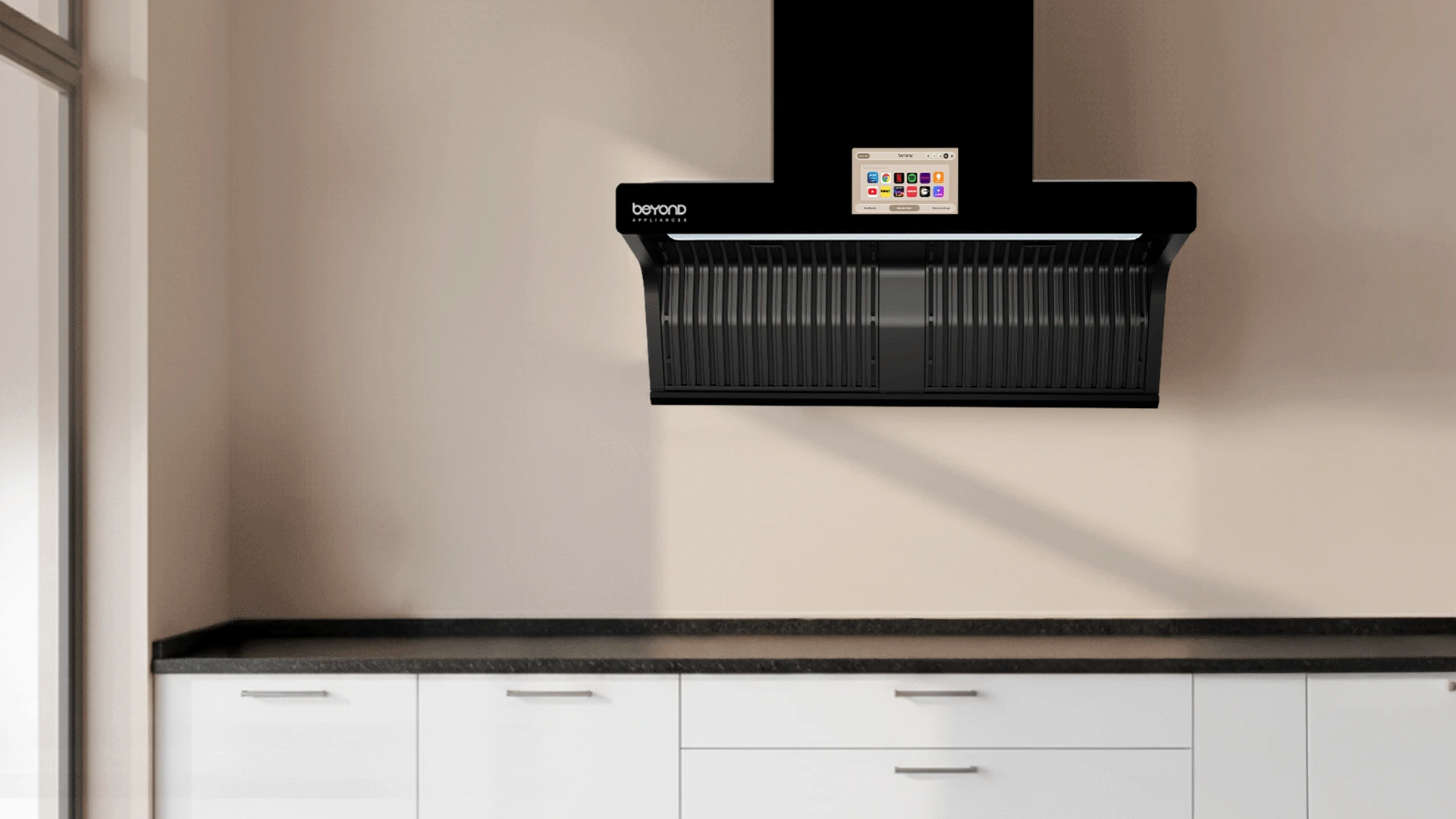
Modern kitchens demand more than just functional appliances—they need intelligent solutions that blend seamlessly with contemporary lifestyles. Smart chimney designs have revolutionized how we approach kitchen ventilation, offering advanced features that go far beyond traditional smoke extraction. These innovative systems combine cutting-edge technology with sleek aesthetics, creating the perfect balance of form and function. From motion-activated controls to energy-efficient BLDC motors, today's smart chimneys transform cooking spaces into sophisticated, automated environments that respond to your needs intuitively.
Smart chimney systems represent a significant leap from conventional ventilation solutions, incorporating advanced technology to enhance both performance and user experience. These intelligent appliances feature sophisticated components like BLDC motors, motion sensors, and automated cleaning systems that work together to create a more efficient and convenient cooking environment. The core difference lies in their ability to adapt and respond automatically to cooking conditions. Traditional chimneys operate at fixed speeds and require manual control, while smart systems can detect smoke levels, adjust suction power accordingly, and even activate without physical interaction. This chimney automation reduces energy consumption by up to 50% compared to conventional models, making them both environmentally friendly and cost-effective. Modern chimney technology also includes features like touch control panels, LED lighting integration, and self-cleaning mechanisms. These smart fireplace features transform the kitchen experience by providing intuitive operation, enhanced visibility, and reduced maintenance requirements. Many models can integrate with smart home ecosystems, allowing voice control and remote operation through mobile applications.
The evolution of modern chimney design has produced remarkable innovations that cater to diverse kitchen layouts and user preferences. These seven smart designs represent the pinnacle of contemporary chimney styles, each offering unique advantages for modern homeowners.
Gesture control technology has transformed how we interact with kitchen appliances. These systems detect hand movements within a specific range, automatically activating the chimney when cooking begins. The energy-efficient chimney design ensures the unit operates only when needed, significantly reducing power consumption while maintaining optimal air quality.
Perfect for apartments and flexible kitchen layouts, these compact chimney ideas eliminate the need for external ducting. Advanced multi-layer filtration technology captures grease, smoke, and odors before recirculating clean air back into the kitchen. This design offers installation flexibility without compromising performance.
Sleek digital interfaces replace traditional buttons, providing intuitive control over all chimney functions. These panels display real-time information about suction levels, filter status, and energy consumption. The seamless integration with kitchen aesthetics makes them ideal for contemporary chimney styles.
Self-cleaning mechanisms use heat and specialized coatings to break down grease and oil deposits automatically. This feature dramatically reduces maintenance requirements while ensuring consistent performance. The efficient oil collection system prevents buildup and extends the appliance's lifespan.
Built-in LED systems provide energy-efficient task lighting while cooking. These lights can be dimmed or adjusted to create ambient lighting for different occasions. The integration eliminates the need for separate under-cabinet lighting, creating a cleaner, more streamlined appearance.
Brushless DC motors deliver superior performance with suction capacities exceeding 1400 m³/hour while operating at significantly lower noise levels. Variable speed controls automatically adjust based on cooking intensity, ensuring optimal ventilation without unnecessary energy consumption.
These eco-friendly chimney models incorporate sustainable materials and energy-efficient operations to minimize environmental impact. Advanced sensors optimize performance while reducing carbon footprint, making them ideal for environmentally conscious homeowners.
Chimney automation represents the future of kitchen ventilation, offering unprecedented convenience and efficiency. Modern systems use sophisticated sensors to detect cooking activity, automatically adjusting suction power based on smoke and heat levels. This intelligent response ensures optimal air quality while minimizing energy consumption. Motion detection technology activates the chimney when movement is detected near the cooking area, eliminating the need for manual operation. Advanced models can differentiate between cooking-related activity and general kitchen movement, preventing unnecessary activation. Timer functions allow users to set specific operating schedules, ensuring the kitchen remains fresh even when unattended. Remote control capabilities through smartphone applications enable users to monitor and control their chimney from anywhere in the home. Some efficient chimney systems can integrate with smart home platforms, allowing voice commands and automated routines that coordinate with other kitchen appliances.
The environmental benefits of energy-efficient chimney designs extend beyond reduced electricity consumption. BLDC motors consume up to 50% less power than traditional AC motors while delivering superior performance. This efficiency translates to significant cost savings over the appliance's lifetime, with many users reporting monthly electricity bill reductions of INR 200-500. Eco-friendly chimney models incorporate recycled materials in their construction and use environmentally safe manufacturing processes. Advanced filtration systems reduce the release of cooking pollutants into the atmosphere, contributing to better indoor and outdoor air quality. LED lighting systems consume minimal power while providing excellent illumination, further enhancing energy efficiency. Sustainable design practices include modular components that can be easily replaced or upgraded, extending the appliance's useful life and reducing electronic waste. Many manufacturers now offer recycling programs for old filters and components, creating a circular economy approach to kitchen appliance management.
Space constraints in modern homes have driven innovation in compact chimney ideas that maximize functionality while minimizing footprint. Wall-mounted designs offer flexibility for galley kitchens and small cooking areas, while island configurations provide elegant solutions for open-plan layouts. Minimalist aesthetic integration ensures these appliances complement rather than dominate kitchen design. Sleek profiles and hidden mounting systems create clean lines that enhance the overall visual appeal. Multi-functional design elements, such as integrated storage compartments or spice racks, maximize utility in limited spaces. Installation flexibility allows these modern chimney design solutions to adapt to various kitchen configurations without major structural modifications. Ductless options eliminate the need for external venting, making them ideal for apartments and rental properties where permanent modifications may not be possible.
Selecting the appropriate smart chimney requires careful consideration of kitchen size, cooking habits, and desired features. Suction power requirements typically range from 600-1400 m³/hour, with larger kitchens and heavy cooking requiring higher capacities. The rule of thumb suggests 10 times the kitchen volume per hour for optimal air circulation. Filter types significantly impact maintenance requirements and performance. Baffle filters offer easy cleaning and durability, while cassette filters provide superior grease capture. Auto-clean technology reduces maintenance frequency but may increase initial costs. Noise levels become crucial in open-plan homes, with BLDC motors offering quieter operation than traditional alternatives. Smart fireplace features should align with lifestyle preferences and technical comfort levels. Basic touch controls suit most users, while advanced app connectivity appeals to tech-savvy homeowners. Budget considerations must balance initial investment against long-term energy savings and reduced maintenance costs.
Recent innovations include ductless technology for flexible installation, advanced multi-layer filtration systems, and comprehensive smart automation features. Motion sensors, voice control integration, and self-cleaning mechanisms represent the cutting edge of chimney technology.
BLDC motors offer superior energy efficiency, consuming 40-50% less power than conventional AC motors. They operate more quietly, last longer, and provide variable speed control for optimal performance. The initial higher cost is offset by energy savings and reduced maintenance requirements.
Prioritize high suction power appropriate for your kitchen size, auto-clean technology for reduced maintenance, LED lighting integration for enhanced visibility, intuitive touch controls, and effective noise reduction. Safety features like thermal protection and filter indicators ensure reliable operation.
Motion sensors use infrared technology to detect movement within a predetermined range, typically 10-15 cm from the sensor. When cooking activity is detected, the chimney automatically activates at an appropriate speed. Advanced sensors can distinguish between cooking-related movement and casual kitchen activity, preventing unnecessary activation.
Smart chimney designs represent a significant advancement in kitchen technology, offering unprecedented convenience, efficiency, and performance. These intelligent systems adapt to modern lifestyles while providing superior air quality management and energy savings. The integration of advanced features like motion sensors, auto-clean technology, and BLDC motors creates appliances that truly enhance the cooking experience. When selecting a smart chimney, consider your specific needs, kitchen layout, and desired level of automation to find the perfect solution that combines functionality with contemporary aesthetics.
