
7 Pro Tips for Ultimate Kitchen Heat Management
Cart
Your cart is empty
Managing heat in your kitchen becomes more challenging every year. Rising temperatures, compact modern designs, and powerful appliances create the perfect storm for uncomfortable cooking conditions. Poor kitchen heat management doesn't just make cooking unpleasant—it affects food quality, increases energy costs, and can even pose health risks. Smart homeowners know that effective kitchen temperature regulation transforms their cooking space from a sweltering hotbox into a comfortable culinary haven. These seven professional tips will help you master heat control and create the ideal cooking environment.
Before tackling kitchen heat management, you need to identify where all that heat comes from. Your kitchen contains multiple heat generators working simultaneously, each contributing to the overall temperature challenge.
Ovens and stovetops produce the most obvious heat, but they're not alone. Dishwashers generate steam and heat during wash cycles. Refrigerators expel warm air from their cooling systems. Even small appliances like toasters, coffee makers, and microwaves add to the thermal load. Understanding each source helps you develop targeted cooling strategies.
Heat moves through your kitchen in three ways: conduction through surfaces, convection through air movement, and radiation from hot appliances. Compact kitchen designs amplify these effects because there's less space for heat to dissipate naturally. This concentration makes effective ventilation and cooling even more critical.
Proper kitchen ventilation forms the foundation of effective heat management. Without adequate airflow, even the best cooling systems struggle to maintain comfortable temperatures.
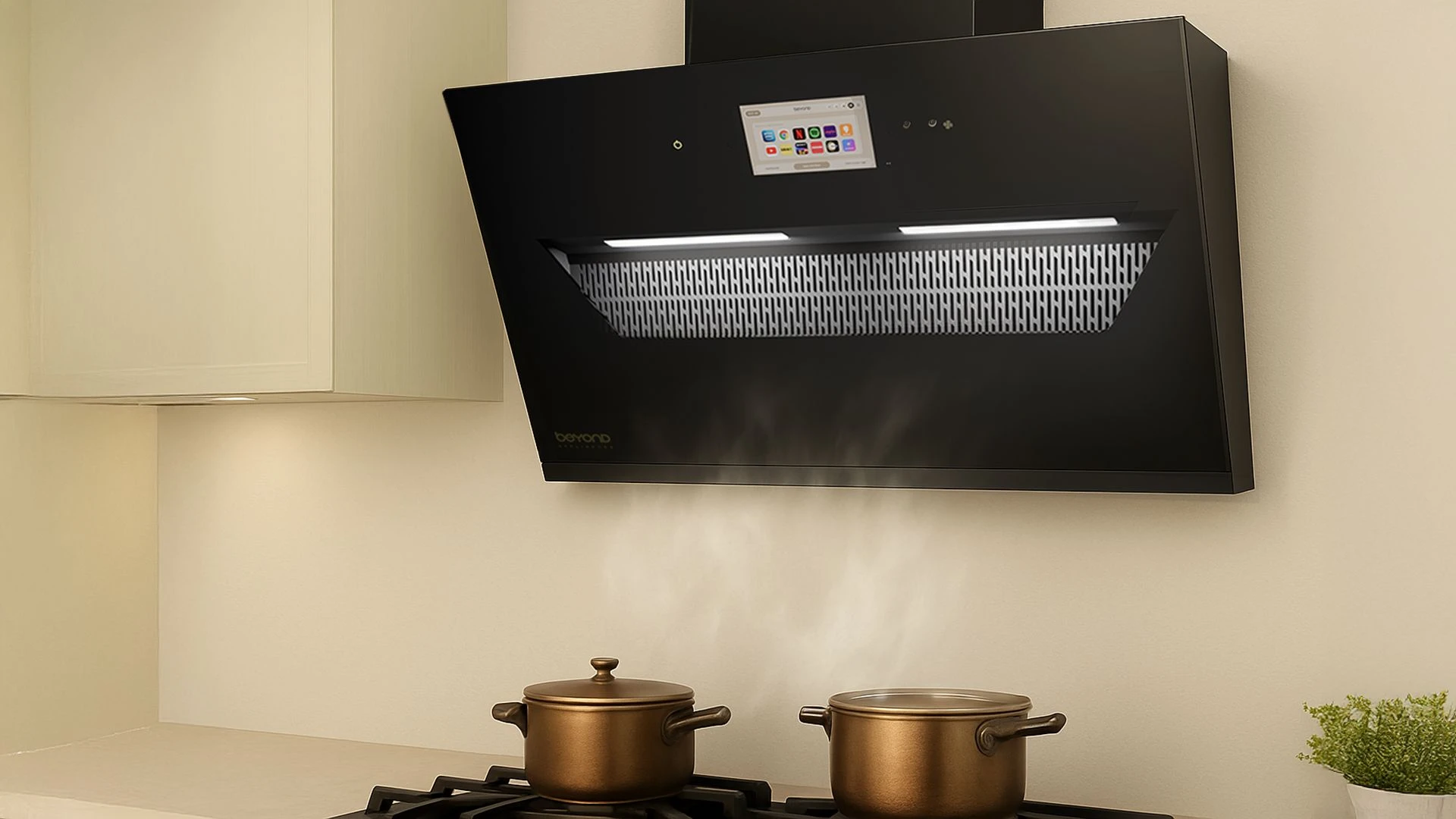
Your range hood should move at least 100 cubic feet per minute (CFM) for every linear foot of cooktop. A 30-inch cooktop needs minimum 300 CFM capacity. Install the hood 24-30 inches above gas cooktops and 20-24 inches above electric surfaces. Clean filters monthly and replace them every 3-6 months for maximum efficiency.
Modern kitchen ventilation goes beyond traditional range hoods. Downdraft systems work excellently in island installations where overhead hoods aren't practical. Ceiling fans improve overall air circulation, while strategically placed window fans create cross-ventilation that naturally cools your cooking area.
How and when you use your appliances significantly impacts kitchen temperature. Strategic cooking methods and timing reduce heat buildup while maintaining cooking quality.
Smaller appliances generate less ambient heat than full-size ovens. Use countertop convection ovens, air fryers, or slow cookers for smaller meals. These appliances contain heat better and often cook faster. Consider outdoor grilling during peak summer months to keep heat outside entirely.
Oven heat control starts with proper preheating—only heat what you need, when you need it. Batch cooking maximizes oven efficiency while minimizing total heat exposure time. Cook multiple dishes simultaneously to make the most of generated heat. Turn off the oven 5-10 minutes before cooking completes and let residual heat finish the job.
Cooking area cooling requires targeted strategies that address both immediate relief and long-term comfort. The right combination of fans and cooling systems makes dramatic differences.
Ceiling fans should rotate counterclockwise during summer to push air downward. Position portable fans to create airflow patterns that move hot air away from cooking areas. Tower fans work well in narrow spaces between cabinets and appliances. Ensure fans don't interfere with range hood operation.
Mini-split air conditioning units provide targeted cooling for kitchen zones without affecting whole-house systems. These systems offer precise temperature control and energy efficiency. In dry climates, evaporative coolers provide cost-effective cooling through water evaporation.
Heat resistant materials protect your kitchen surfaces while reducing heat transfer to surrounding areas. Smart material choices prevent damage and improve comfort.
Quartz and granite countertops handle heat better than laminate surfaces. Use trivets and heat pads to protect any countertop material from direct heat contact. Install heat-resistant backsplashes behind cooktops using materials like stainless steel, ceramic tile, or natural stone. These materials absorb and dissipate heat effectively.
Countertop heat protection extends beyond surface materials. Install heat shields behind appliances to protect cabinets. Use insulated cabinet panels near ovens and dishwashers. These barriers prevent heat transfer while protecting your cabinetry investment.
Thoughtful compact kitchen design considers heat generation and dissipation from the planning stage. Even existing kitchens benefit from strategic reorganization.
Position heat-generating appliances away from refrigerators and food storage areas. Create natural ventilation pathways by avoiding blocked airflow routes. Leave adequate clearance around appliances for proper ventilation. Group similar appliances to concentrate heat in specific zones rather than spreading it throughout the kitchen.
Store heat-sensitive items like oils, spices, and chocolates away from cooking areas. Use upper cabinets for items that won't be damaged by rising heat. Keep frequently used items in cooler zones to reduce time spent near heat sources.
Reducing kitchen heat requires different approaches throughout the year. Seasonal adjustments maximize comfort while minimizing energy costs.
Cook during cooler morning and evening hours when possible. Prepare cold meals and no-cook options during peak heat periods. Use ice packs strategically placed near cooking areas for temporary relief. Pre-chill ingredients to reduce cooking time and heat exposure.
Adjust ventilation settings seasonally—increase airflow during summer, reduce during winter. Maintain appliances regularly to ensure efficient operation. Clean refrigerator coils quarterly to prevent excess heat generation.
Modern technology offers sophisticated solutions for kitchen appliance heat management. Smart systems provide automated control and monitoring capabilities.
Programmable thermostats can trigger cooling systems when kitchen temperatures rise. Smart vents adjust airflow based on real-time temperature readings. Automated range hoods activate when they detect heat or smoke, ensuring immediate ventilation response.
Smart appliances often generate less waste heat through improved efficiency. Energy monitoring helps identify heat-producing appliances that may need replacement. Automated scheduling reduces peak-time energy use while maintaining comfort.
Open windows to create cross-ventilation, turn on all available fans, and use your range hood at maximum setting. Place a bowl of ice in front of a fan for immediate cooling relief.
Combine a properly sized range hood with ceiling fans and strategic window placement. Downdraft ventilation works well for island cooktops in compact layouts.
Use trivets, heat pads, and cutting boards as barriers. Choose heat-resistant materials like quartz or granite for areas near cooking appliances.
Yes, focus on improved ventilation, strategic fan placement, cooking method changes, and proper appliance maintenance. These solutions provide significant improvement without major construction.
Ovens produce the most heat, followed by stovetops, dishwashers, and refrigerators. Even small appliances like toasters and coffee makers contribute to overall heat load.
Effective kitchen heat management combines proper ventilation, smart appliance usage, strategic cooling, and thoughtful design choices. Start with simple solutions like improved fan placement and cooking schedule adjustments. Gradually implement more comprehensive strategies based on your specific needs and budget. Remember that consistent maintenance of existing systems often provides the biggest immediate improvement. With these seven professional tips, you can transform your kitchen into a comfortable cooking environment regardless of outside temperatures or kitchen size.
